
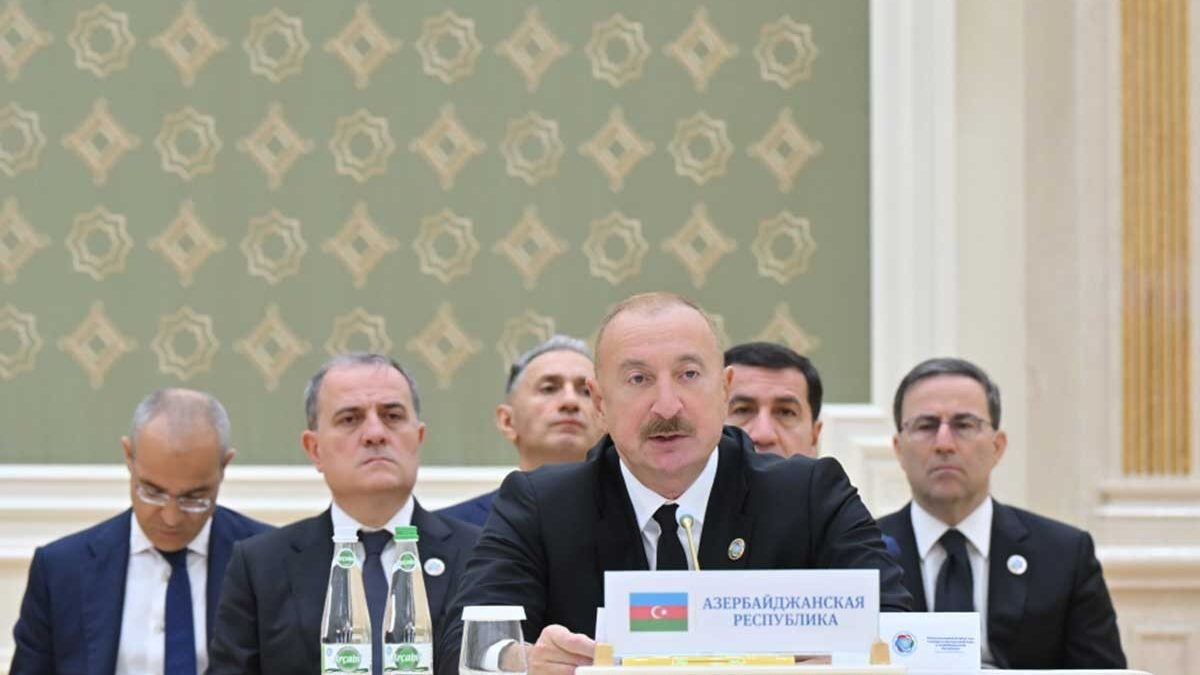
The high-level meetings, speeches, and agreements reached during President Ilham Aliyev’s working visit to Turkmenistan on October 8-9 have once again brought to the forefront Azerbaijan’s growing role in international and regional processes.
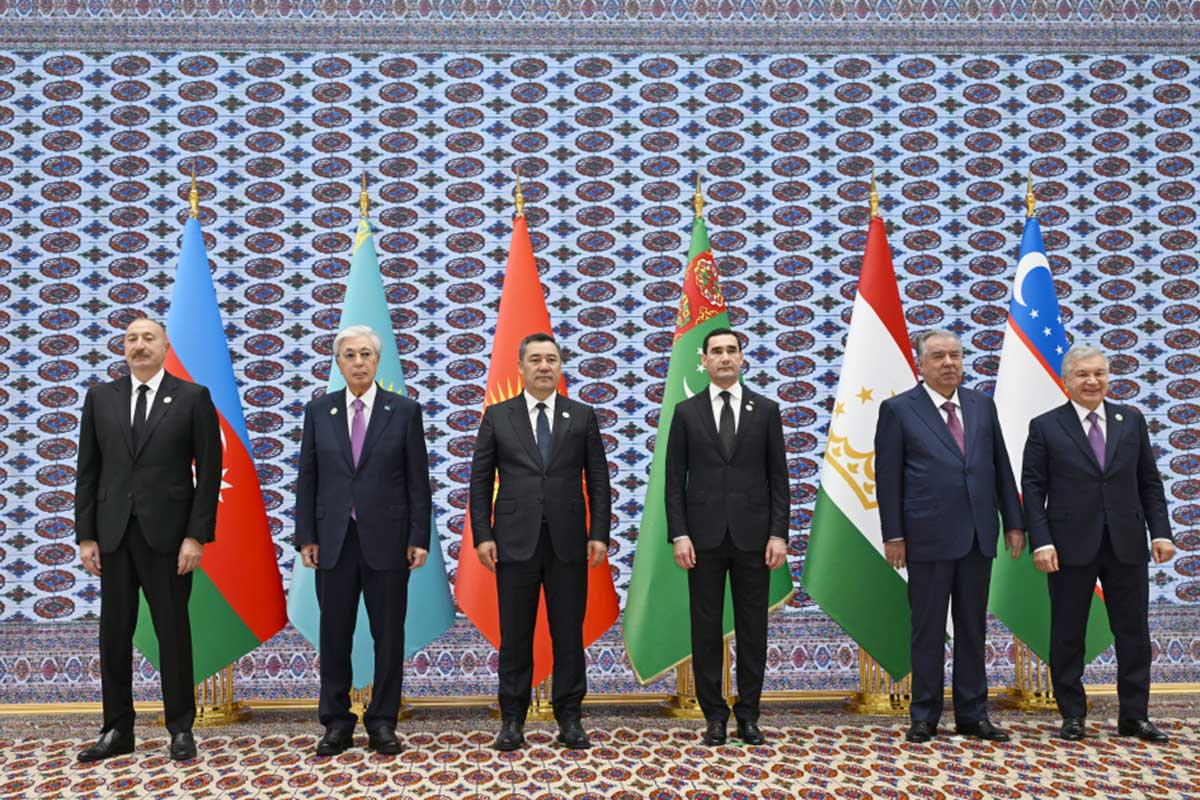
Multifaceted Diplomacy
The inclusion of important events in the Azerbaijani President’s visit program, such as the 8th Consultation Meeting of the Heads of State of Central Asia, the meeting of the Council of CIS Heads of State, a bilateral meeting with the President of Turkmenistan, and the Caspian Ecological Summit, demonstrates the multifaceted nature of our country’s foreign policy.
While each of these events holds significance in its own direction, the common thread uniting them is Azerbaijan’s contribution to expanding regional cooperation, developing transport and energy links, strengthening political dialogue, and resolving common problems. Baku is not only a participant in regional processes but also strives to develop economic and political ties that connect various geographies.
One of the key aspects that enhances the significance of the visit is Azerbaijan’s deepening cooperation with Central Asian states while continuing its active participation within the CIS framework. The inclusion of the Caspian Sea’s ecological issues on the regional agenda shows that our country pays attention not only to economic and political interests but also to long-term ecological security issues.
Pragmatic Cooperation and New Opportunities in the CIS Space
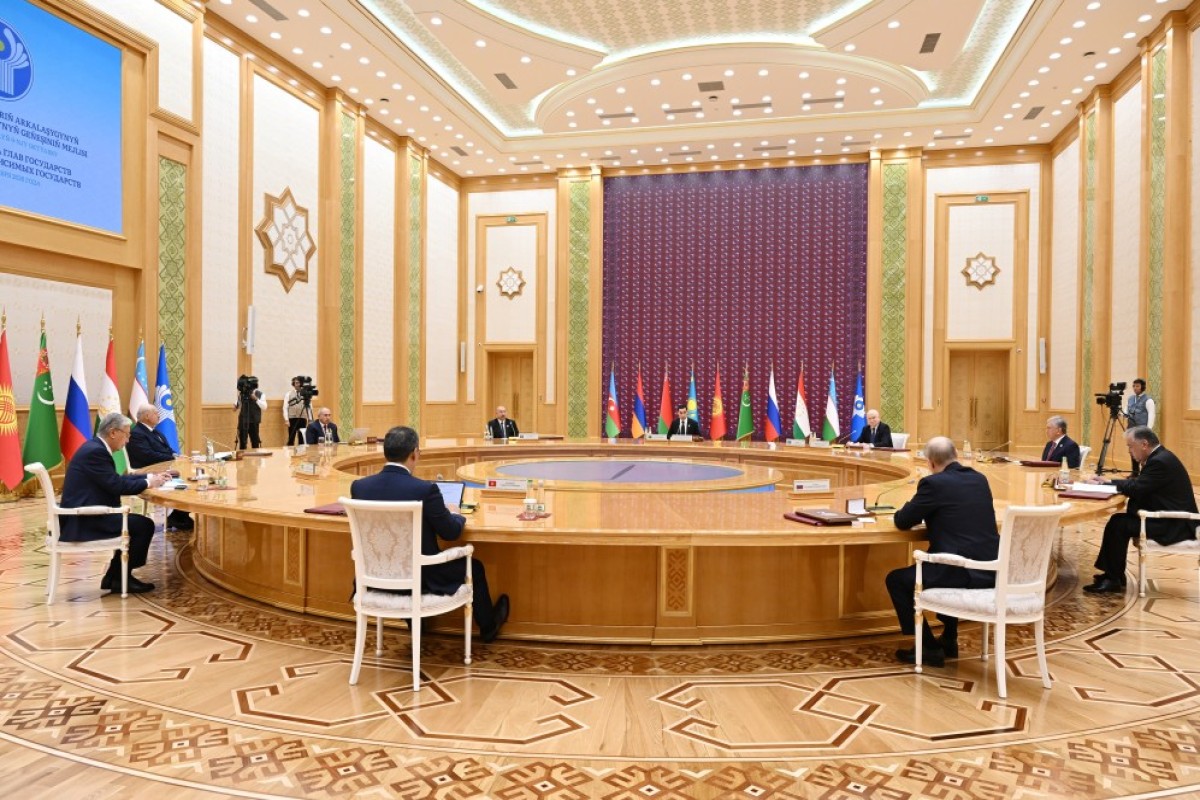
The CIS is an important platform for Azerbaijan in terms of maintaining political dialogue, expanding economic and trade relations, and developing humanitarian ties among member states. President Ilham Aliyev’s participation in the limited and extended meetings of the Council of CIS Heads of State held in Turkmenbashi demonstrates that Azerbaijan continues its independent and pragmatic policy based on national interests within this format.
In his speech, the head of state touched upon the CIS’s 35 years of activity, emphasizing the organization’s importance for political dialogue, mutually beneficial cooperation, and strengthening interstate relations. This approach reflects Azerbaijan’s attitude towards regional cooperation: participation in various multilateral platforms is carried out in accordance with the country’s principle of sovereign decision-making and national interests.
One of the significant outcomes of the visit was the support for the decision that Azerbaijan will co-chair the CIS in 2027. President Ilham Aliyev also stated that Azerbaijan is ready to chair the organization in 2028 and host the next meeting of the Council of CIS Heads of State in the autumn of that year. These decisions are important in terms of increasing the responsibility undertaken by our country within the organization and continuing its activity in regional dialogue.
Azerbaijan’s activities within the CIS are not limited to political meetings. Humanitarian relations, sports, culture, and transport cooperation are also important directions of these relations. The declaration of Lachin as the Cultural Capital of the CIS and the hosting of the III CIS Games in Azerbaijan are examples of our country’s contribution to the development of humanitarian ties within the organization.
The special emphasis placed on transport issues in the head of state’s speech is not coincidental. The volume of transit cargo transportation through Azerbaijan increased by 10 percent in the first half of 2026, reaching approximately 8 million tons. The medium-term goal is to increase the volume of transit cargo transportation in both East-West and North-South directions to 15 million tons. This objective, along with expanding the country’s transport capabilities, also increases Azerbaijan’s importance in regional economic relations.
A New Stage in Azerbaijan-Central Asia Relations
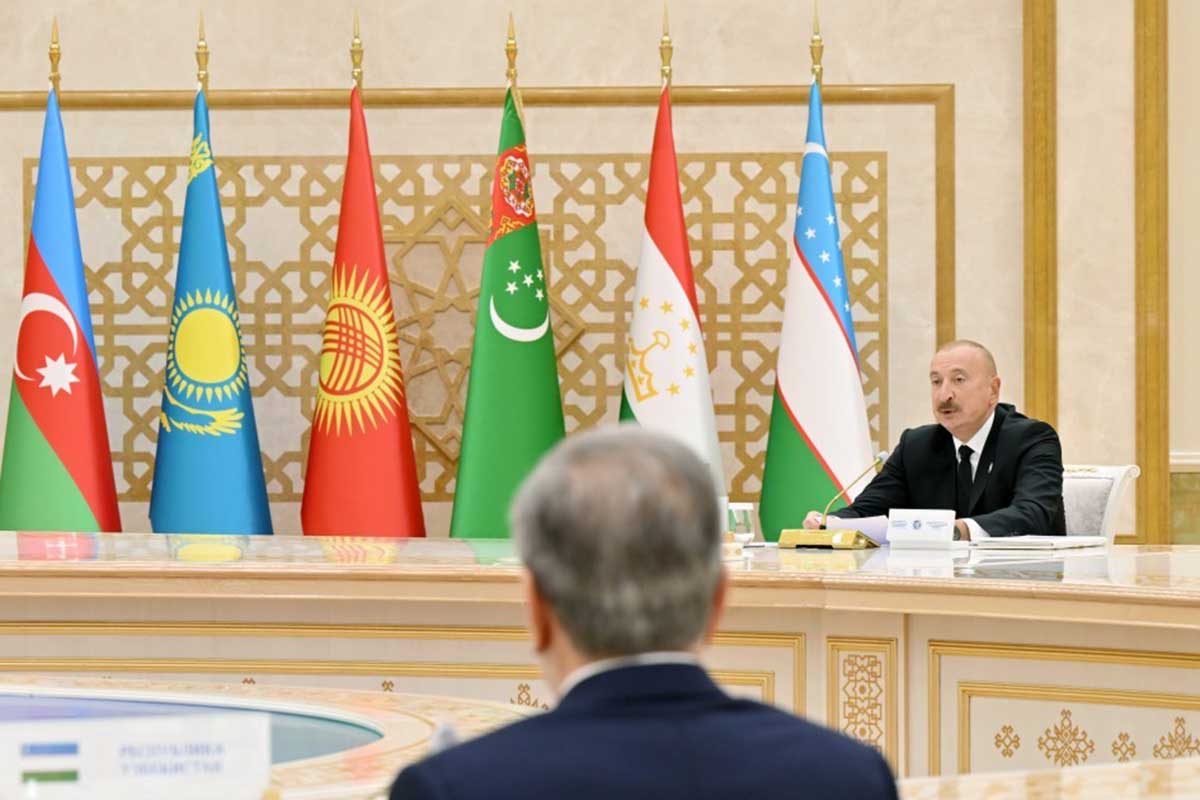
One of the most significant political events of the visit was Azerbaijan’s full participation in the 8th Consultation Meeting of the Heads of State of Azerbaijan and Central Asia. The decision adopted at the 7th Consultation Meeting held in Tashkent on November 16, 2025, for Azerbaijan to fully join this format laid the foundation for a new stage of regional cooperation. The meeting held in Turkmenbashi on October 8, 2026, confirmed Azerbaijan’s activity as a full participant in this format.
The significance of this decision is not limited to a change in diplomatic status. Additional opportunities are created for the more systematic development of political, economic, transport, energy, and humanitarian relations between Azerbaijan and the Central Asian countries. Cooperation between states separated by the Caspian Sea but united by common economic interests and historical-cultural proximity can strengthen the region’s role in the international relations system.
President Ilham Aliyev thanked his counterparts for their support of Azerbaijan’s full accession to this format in his speech at the Consultation Meeting. The head of state emphasized the high level of political relations between Azerbaijan and the Central Asian countries, the expansion of trade and economic cooperation, and the increase in mutual investments and joint projects. According to him, last year Azerbaijan’s trade turnover with Central Asian countries increased by more than 50 percent, and more than 400 companies established with capital from the region’s countries operate in Azerbaijan.
These indicators show that cooperation has moved beyond political dialogue and gained economic substance. The next stage involves not only increasing trade turnover but also creating joint production facilities, expanding industrial cooperation, and exporting regional products to third-country markets.
The joint statement adopted in the consultation format and the decision on normative documents are also important for strengthening the institutional basis of cooperation. Thus, Azerbaijan’s relations with Central Asia gain the opportunity to transform from a collection of separate bilateral relations into a broader regional cooperation system.
The Middle Corridor and Azerbaijan’s Role on the Eurasian Transport Map
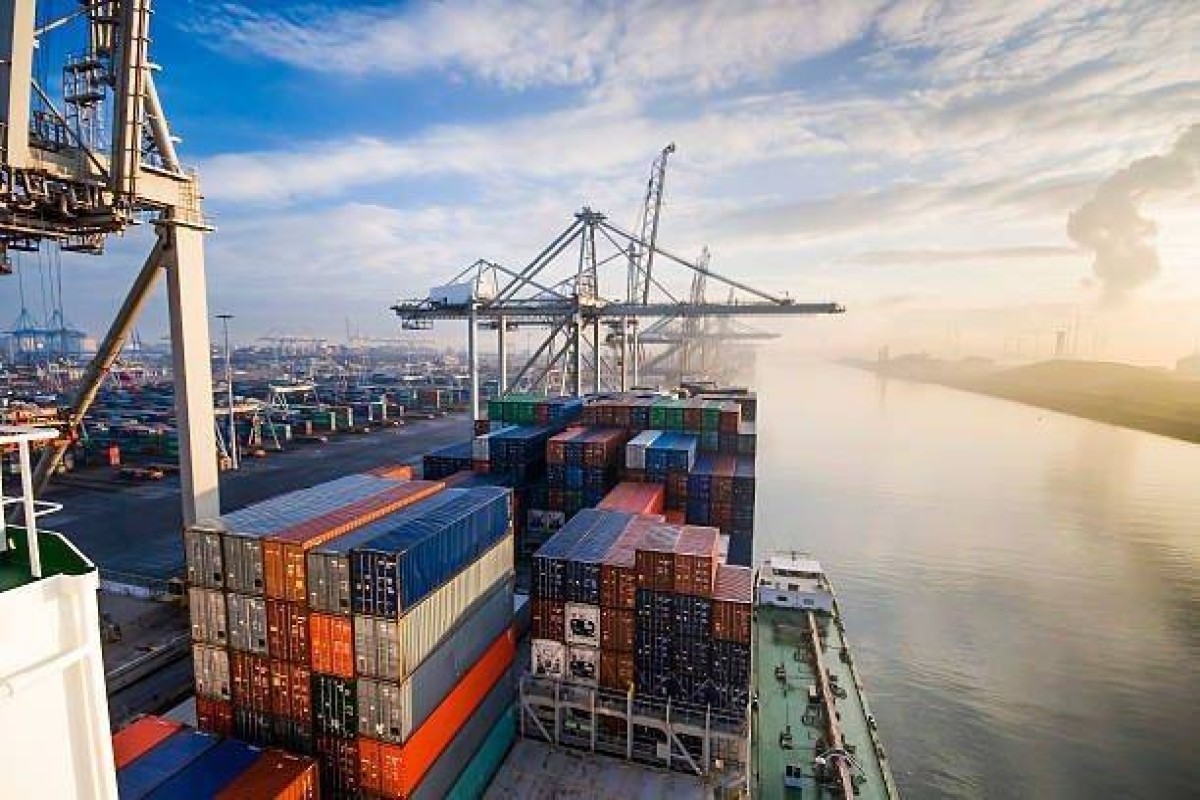
In addition to geographical factors, the transport infrastructure developed over many years plays a significant role in strengthening Azerbaijan’s regional position. Our country is located at the intersection of routes connecting the East with the West and the North with the South. The Baku International Sea Trade Port, railways, highways, airports, and other logistics capabilities enhance Azerbaijan’s transit potential.
The importance of the Middle Corridor is further increasing against the backdrop of expanding transportation between Central Asia and Europe. The efficiency of this route depends not only on Azerbaijan’s infrastructure but also on the coordinated operation of ports, railways, and logistics centers on both sides of the Caspian Sea. Therefore, the expansion of Azerbaijan-Central Asia cooperation can directly impact the development of transport links.
According to President Ilham Aliyev’s statement at the Consultation Meeting, the volume of transit cargo transportation along the Middle Corridor increased by more than 10 percent last year, and an additional approximately 20 percent increase was recorded in the first eight months of 2026. The head of state also emphasized the importance of developing transport infrastructure on both shores of the Caspian Sea to connect Central Asia with Azerbaijan and broader international markets.
Another important element of cooperation in this direction is digital connectivity. Work on laying fiber-optic cables along the bottom of the Caspian Sea and the “Digital Silk Way” project aim to strengthen the region’s digital integration. Thus, Azerbaijan has the potential to become a key hub not only for physical cargo transportation but also for information and digital service flows.
To enhance the competitiveness of the Middle Corridor, it is important to simplify customs procedures, increase the capacity of border crossing points, implement digital documentation, and coordinate tariff policies. These measures can increase the speed of transportation and enhance the route’s attractiveness to international companies.
Energy Security and Green Energy Cooperation
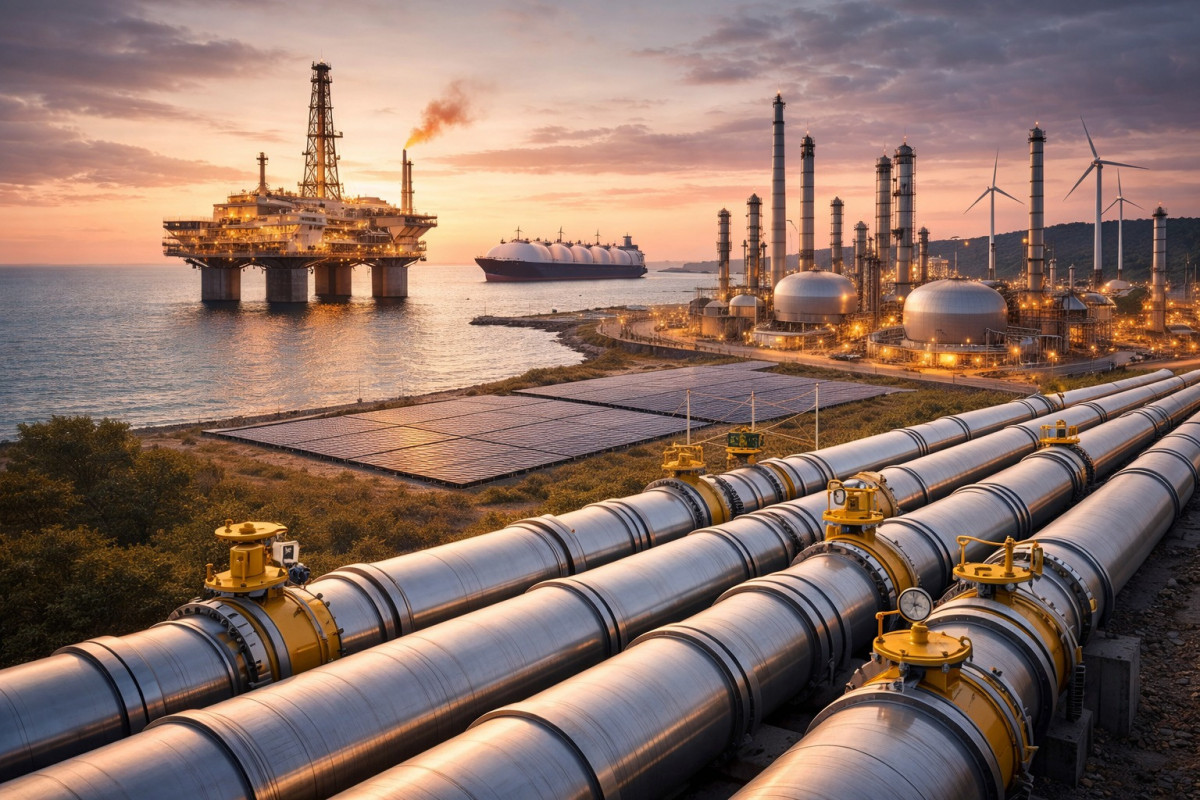
Another direction that strengthens Azerbaijan’s position in the Eurasian space is energy cooperation. Our country participates both in bringing its energy resources to international markets and in providing transit opportunities for Central Asian countries for energy exports.
President Ilham Aliyev noted at the Consultation Meeting that oil from Turkmenistan and Kazakhstan is transported through Azerbaijan, and these volumes continue to grow. This cooperation not only strengthens the Caspian Sea’s role in energy connections but also allows the region’s countries to diversify their export routes.
Furthermore, the prospect of energy cooperation is not limited to the transportation of traditional resources. Efforts to create a green energy corridor between Azerbaijan, Kazakhstan, and Uzbekistan open up new opportunities in the field of renewable energy. The implementation of projects in this direction requires the coordination of energy systems, the development of transmission infrastructure, and long-term investments.
Thus, Azerbaijan strives to contribute to regional energy security through both existing infrastructure and new energy technologies. The completion of traditional energy routes with green energy initiatives can further expand our country’s role in regional economic relations.
Caspian Sea: Shared Ecological Responsibility and Strategic Security
The Caspian Ecological Summit held during the visit to Turkmenistan is also worth special mention. President Ilham Aliyev’s participation in this event, his speech, and messages demonstrate that protecting the Caspian Sea holds an important place on Azerbaijan’s regional agenda. The Caspian Sea is not only a source of natural wealth for the coastal states but also a common strategic space in terms of transport, trade, energy, and ecological security.
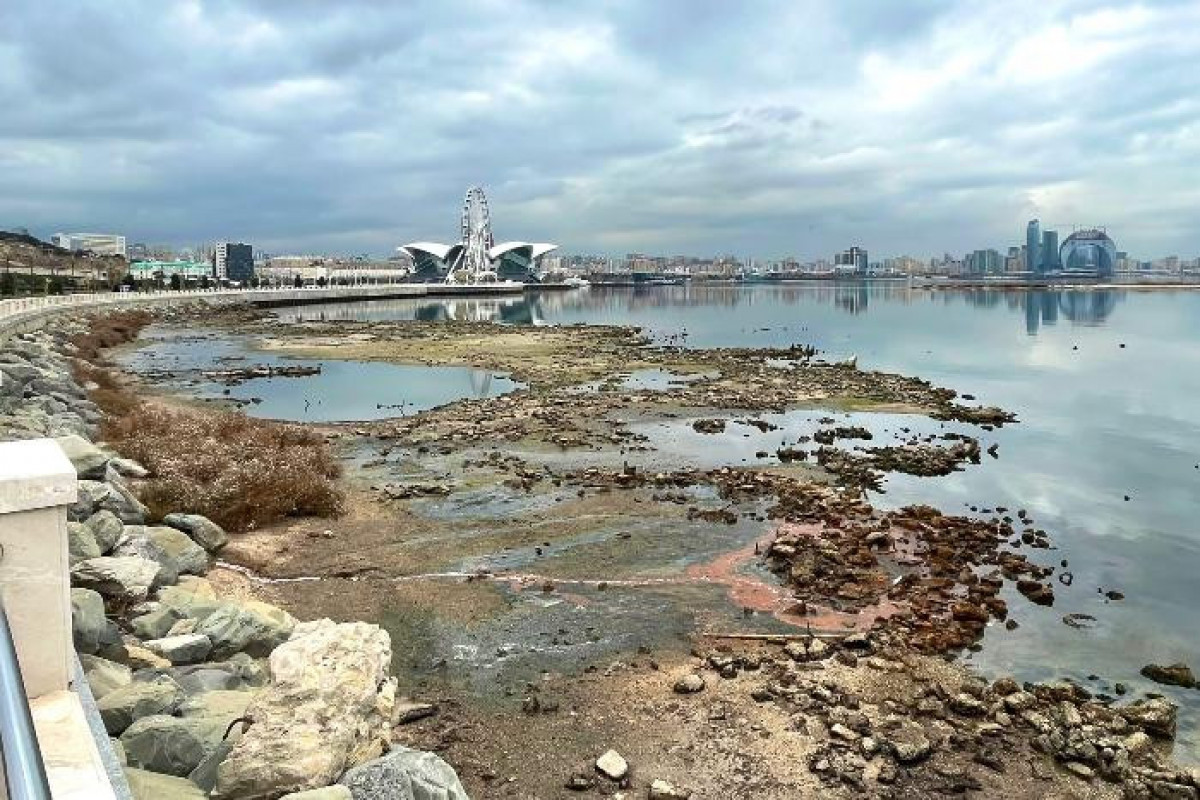
The decrease in the sea’s water level has become one of the most serious concerns in recent years. The receding coastline, shallowing, impacts on port and shipping infrastructure, and risks to biodiversity affect the interests of all Caspian states. Measures taken by individual countries are insufficient to solve this problem; joint scientific research, information exchange, and coordinated action mechanisms are required.
As early as the 6th Summit of Heads of State of Caspian Littoral States in Ashgabat in 2022, President Ilham Aliyev raised the issue of water level decrease and proposed the creation of a special working group to study this problem. The decision adopted at the end of the summit held in Turkmenbashi in 2026 to establish a five-party Commission is significant for moving the problem to an institutional level at the regional scale. The first meeting of the Commission is planned to be held in Azerbaijan in the first half of 2027.
Among the causes of the Caspian Sea’s shallowing, in addition to climate change, rising temperatures, and evaporation, the changes in river flows and the impacts of human activity must also be investigated. Approximately 80 percent of the river water flowing into the Caspian Sea is accounted for by the Volga River, making water resource management in that basin particularly important. The impact of factors such as the operation of reservoirs on the Volga and water withdrawal for irrigation and industrial purposes on the volume of water reaching the Caspian Sea must be assessed on a scientific basis. However, it would be incorrect to explain all the causes of the problem by a single factor.
Protecting the Caspian Sea is one of the practical tests of regional cooperation. The activities of the five-party Commission should provide opportunities for monitoring the water balance, comparing scientific data, assessing anthropogenic impacts, and preparing joint measures. The real outcome of this mechanism will depend on the Caspian states translating political agreements into concrete action plans.
Azerbaijan-Turkmenistan Relations and Regional Dialogue
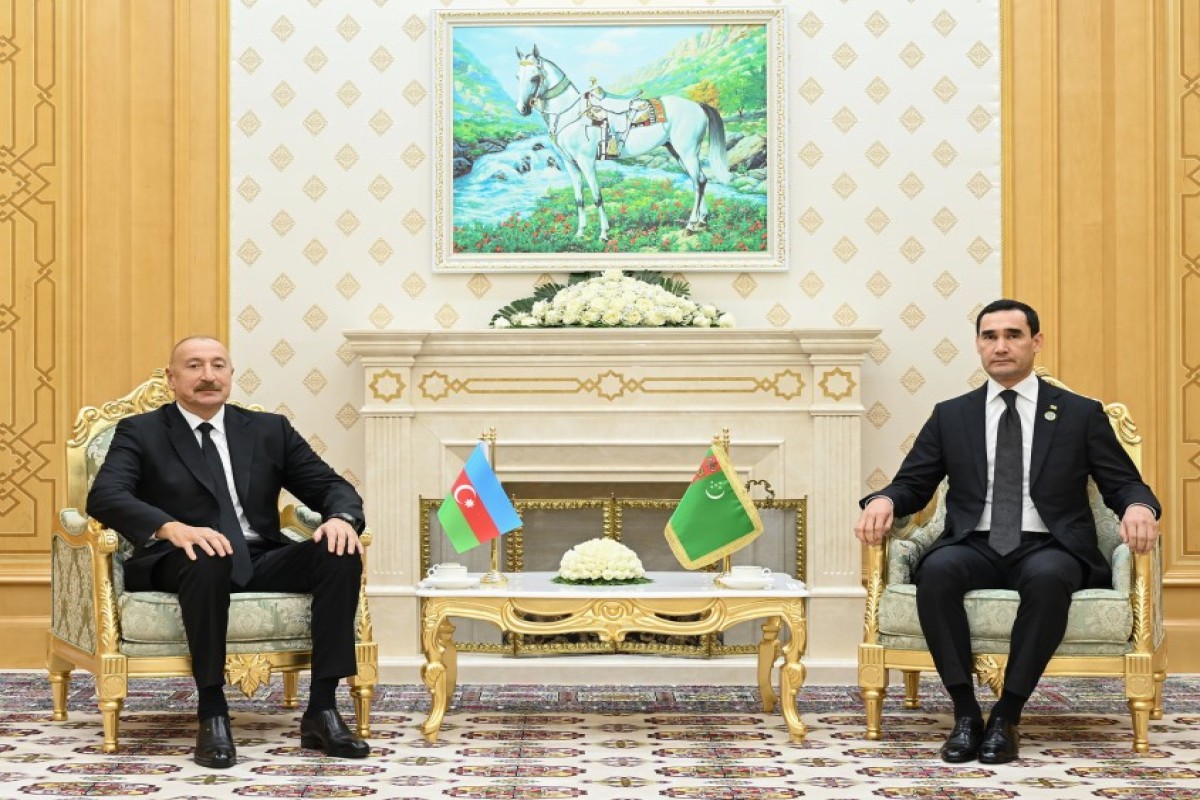
The meeting between President Ilham Aliyev and President Serdar Berdimuhamedov within the framework of the visit is of particular importance for the development of bilateral relations. The dynamic development of friendly and fraternal relations between the two countries, the intensity of high-level contacts, and the opportunities for expanding cooperation were noted during the meeting. Five high-level visits between the two countries since last year indicate the activity of political dialogue.
The location of Azerbaijan and Turkmenistan on opposite shores of the Caspian Sea makes cooperation in the fields of transport, transit, energy, and trade particularly important. The development of bilateral relations can create new opportunities for increasing the efficiency of the Middle Corridor, strengthening ties between ports, and bringing energy resources to international markets.
The meeting with Iranian President Masoud Pezeshkian during the visit also shows that Azerbaijan is continuing regional dialogue in various directions. Issues of security, transport, and economic cooperation in the Caspian basin increase the importance of regular political contacts between coastal states.
Regional Peace and Azerbaijan’s Independent Foreign Policy
One of the main conditions for Azerbaijan’s regional cooperation policy is the development of relations based on the principles of state sovereignty, territorial integrity, and mutual respect. The strengthening of peace in the South Caucasus, the opening of transport communications, and the expansion of economic ties also increase the prospects for cooperation between Azerbaijan and Central Asia.
Azerbaijan’s participation in various multilateral platforms are not mutually exclusive choices, but directions of a multifaceted foreign policy built in accordance with national interests. Dialogue within the CIS, strategic partnership with Central Asian states, cooperation within the Organization of Turkic States, and joint ecological initiatives in the Caspian basin constitute various directions of this policy.
The goal in each of these formats is to expand cooperation opportunities, diversify the country’s economic and diplomatic ties, and contribute to regional stability and mutually beneficial relations.
President Ilham Aliyev’s visit to Turkmenistan has united several important directions of Azerbaijan’s regional diplomacy on a single agenda. Full cooperation with Central Asian states, co-chairmanship and future chairmanship prospects within the CIS, the development of the Middle Corridor, the expansion of energy connections, and the resolution of the Caspian Sea’s ecological problems demonstrate the scope of our country’s participation in regional processes.
The main task facing Azerbaijan is to translate existing diplomatic opportunities into long-term results, strengthen its role in Eurasian transport and energy connections, deepen economic integration with Central Asia, and contribute to regional cooperation for the protection of the Caspian Sea. President Ilham Aliyev’s visit to Turkmenistan has once again highlighted the importance of this multifaceted agenda. Under the leadership of President Ilham Aliyev, Azerbaijan continues to play an active role in shaping the regional agenda, creating new cooperation opportunities, and promoting peace, stability, and sustainable development in the Eurasian space.