
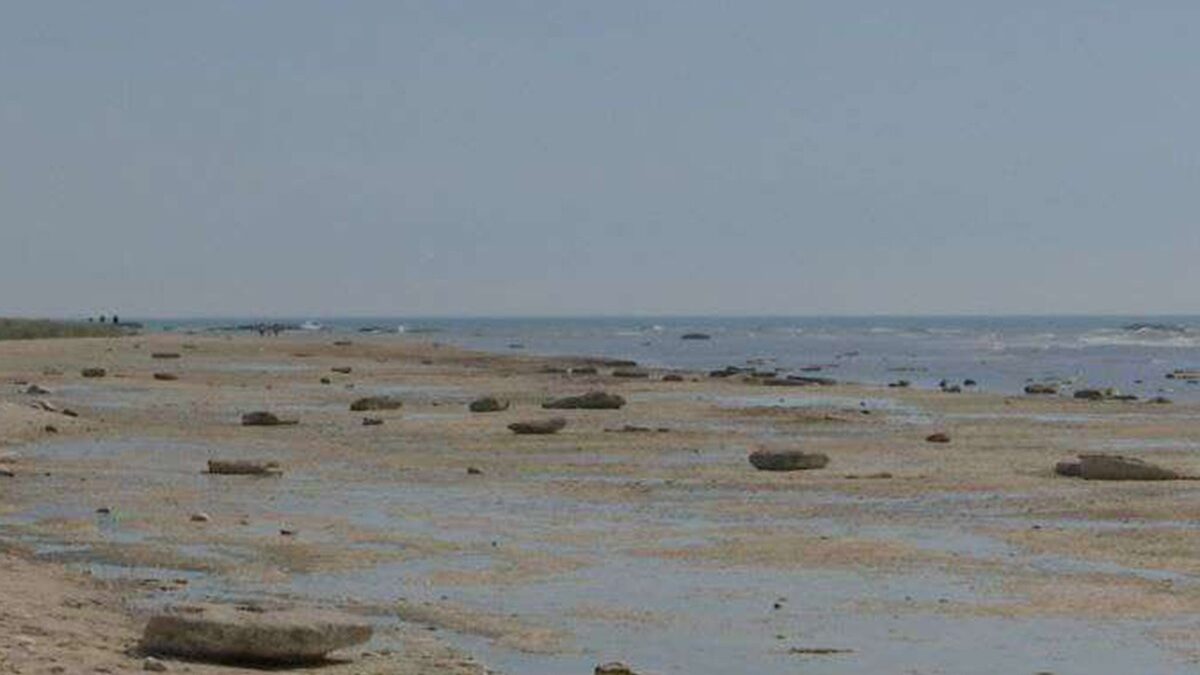
The rapid decline in the water level of the Caspian Sea has become a strategic problem that extends beyond the environmental agenda of individual coastal countries, affecting the region’s economic security, transport links, and future development prospects. The remarks made by Azerbaijani President Ilham Aliyev at the expanded session of the Caspian Ecological Summit in Turkmenbashi, Turkmenistan, on October 9, once again highlighted the importance of a systematic approach to solving this problem. The head of state emphasized that preserving the Caspian Sea as a space of peace, stability, and constructive partnership serves the interests of all Caspian littoral states. This approach is not accidental. The Caspian is not only an important economic and transport basin connecting Azerbaijan, Russia, Kazakhstan, Turkmenistan, and Iran, but it is also significant for the transportation of energy resources, international trade, fishing, and the socio-economic development of coastal areas.
As President Ilham Aliyev noted in his speech, the total surface area of the Caspian Sea has already decreased by more than 20,000 square kilometers. This figure demonstrates the scale of the problem and indicates that the continuation of the current trend could have serious consequences.
In such a situation, the main issue is not just to record the decrease in water level, but to accurately identify the causes of this process, assess the impact of human activities, and ensure coordinated measures by the Caspian littoral states to prevent the consequences.
The Volga River: One of the main factors affecting the Caspian’s water balance
It is no coincidence that the Volga River holds a special place in discussions about the Caspian Sea’s shallowness. Approximately 80 percent of the river water flowing into the Caspian comes from the Volga. Therefore, changes in the river’s flow directly affect the sea’s water balance.
Factors such as the management of water resources in the Volga basin, the operation of reservoirs and hydraulic structures on the river, water withdrawal for irrigation, and its use for industrial and other economic needs can affect the volume of water reaching the Caspian. The accumulation of a certain part of the river flow in reservoirs and the consumption of water for various purposes alter the natural flow regime. The extent to which these impacts affect the volume of water entering the Caspian must be determined based on regular measurements and scientific analyses.
The extensive reservoir system created on the Volga River and the rules for using its water resources require special attention in this regard. This is not just about individual hydraulic structures, but about the management of the entire river basin. When distributing water resources, the needs of ecosystems in the lower reaches of the basin, including the Caspian Sea, must be taken into account.
Precipitation, rising temperatures, surface evaporation, and other hydrological factors also affect the sea’s water balance. However, the Volga’s status as the main water source for the Caspian necessitates a comprehensive study of the changes caused by human activities in this river basin.
This is precisely why the exchange of information among Caspian littoral states regarding the operation of reservoirs in the Volga basin, water withdrawal for irrigation and industrial purposes, and changes in flow in various parts of the river is of particular importance. Without such information, it is difficult to accurately assess the scale of the anthropogenic causes of the problem and to develop long-term measures.
The roots of the problem and President Ilham Aliyev’s timely initiative
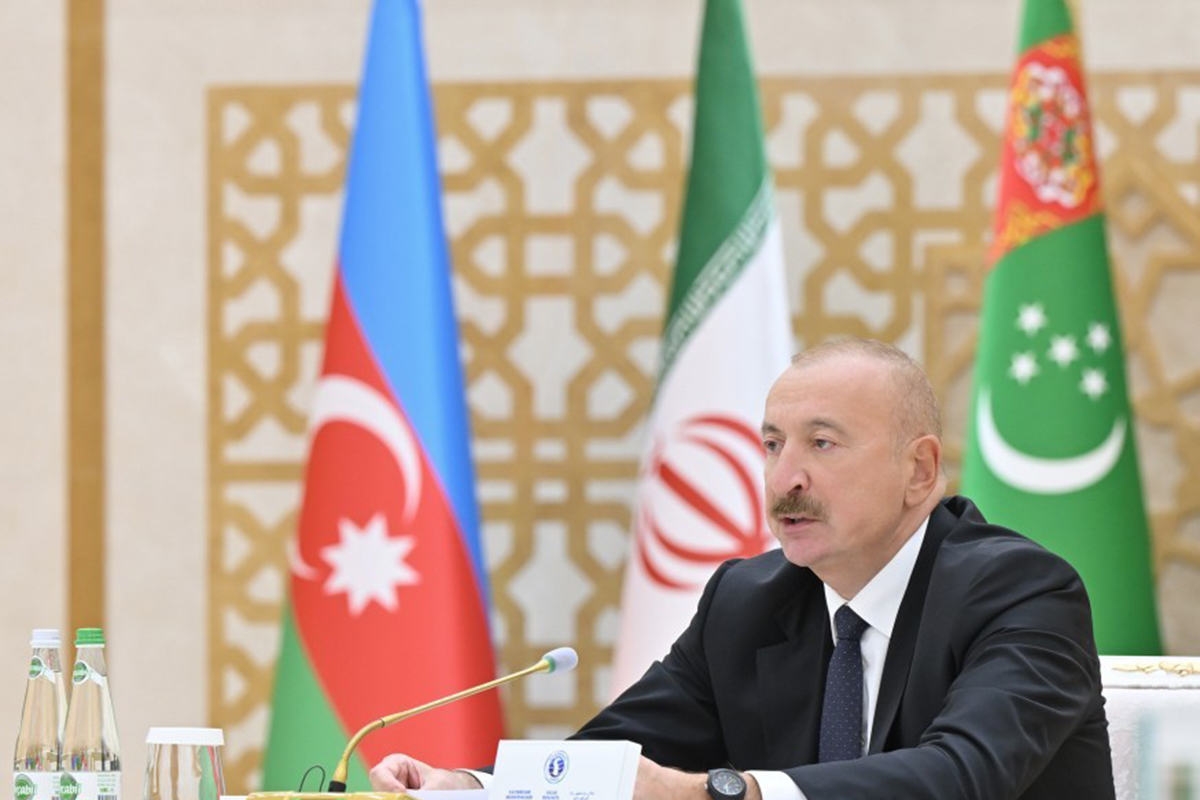
President Ilham Aliyev has not just recently brought up the issue of the Caspian Sea’s shallowness. The head of state drew special attention to this issue at the VI Summit of Heads of State of Caspian Littoral States held in Ashgabat on June 29, 2022, and proposed the creation of joint expert groups composed of specialists from Caspian littoral countries to investigate the causes of the problem and prevent its consequences.
The continued decrease in water levels in subsequent years has further increased the relevance of this initiative. At the summit held in Turkmenbashi on October 9, 2026, President Ilham Aliyev emphasized the importance of moving from a general discussion of the problem to the creation of a permanently functioning cooperation mechanism.
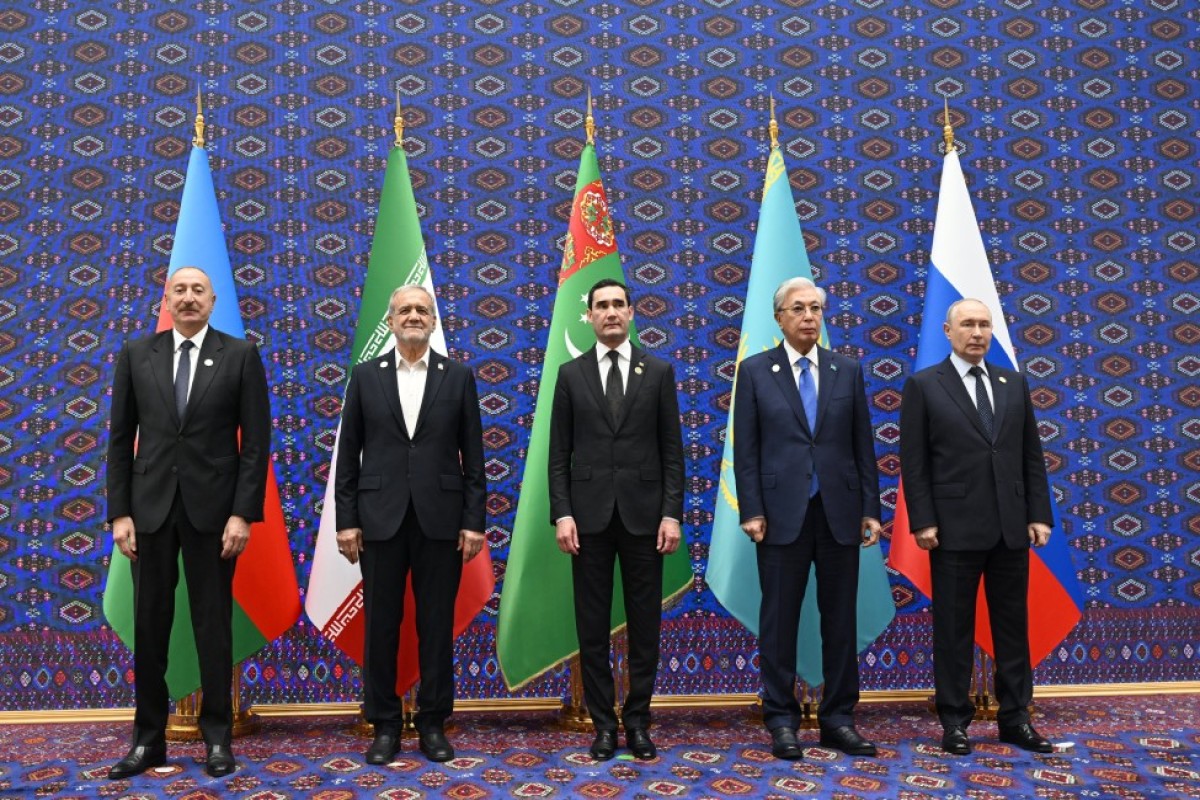
The Final Decision of the Heads of State of the Caspian Littoral States provides for the establishment of a five-party Commission. The main task of the Commission will be to identify the causes of the Caspian Sea’s water level decline, develop coordinated comprehensive measures to combat the negative consequences of shallowness, and ensure their implementation. According to the decision, the first meeting of the Commission is planned to be held in Azerbaijan in the first half of 2027.
This decision is significant in terms of turning Azerbaijan’s initiative into a concrete institutional outcome. This is because, for the discussions on the Caspian’s shallowness to yield sustainable results, a permanently functioning coordination mechanism is needed alongside political will among states.
From environmental problem to economic and strategic challenge
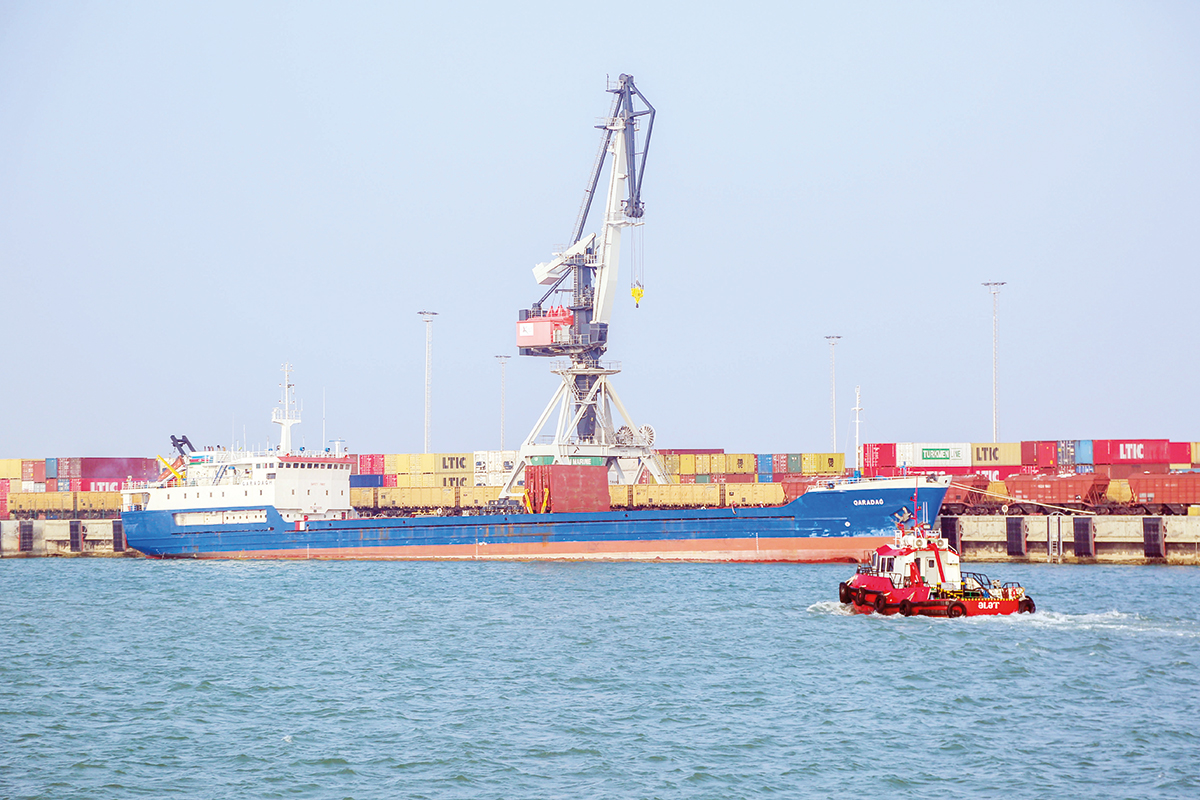
The consequences of the Caspian Sea’s water level reduction are not limited to the retreat of the coastline. Shallowness affects port operations, shipping routes, cargo transportation capabilities, fishing, and the balance of the marine ecosystem. As a result of the water level drop, the depth of access channels to ports and favorable conditions for navigation may change in some areas. This requires additional technical measures and infrastructure costs.
Considering Azerbaijan’s growing role in international transport corridors, the economic consequences of the Caspian’s shallowness become even more apparent. The efficiency of East-West cargo transportation, the Middle Corridor, and transit operations via the Caspian depends on the stability and predictability of conditions at sea. The decrease in water levels can complicate long-term planning for ports and navigation infrastructure.
From an environmental perspective, shallowness can lead to changes in coastal wetlands and other natural habitats, a decrease in biodiversity, and a deterioration of living conditions for fish stocks and rare Caspian fauna species. The socio-economic consequences of these processes are also inevitable: the livelihoods of the population engaged in fishing, the development of coastal settlements, and the opportunities for utilizing natural resources are at risk.
Therefore, protecting the Caspian is not solely the responsibility of environmental organizations. It is a complex issue that requires the coordination of transport, energy, agriculture, economy, and regional security policies.
Five-party cooperation must translate into real results
To prevent the Caspian’s shallowness, a joint action plan based on scientific grounds must first be developed. For this purpose, the volume of water entering and leaving the sea’s water balance, the dynamics of river flows, evaporation rates, and anthropogenic impacts must be assessed using a unified methodology.
In particular, a comparative analysis of data related to the flow of the Volga River, reservoir management, and water withdrawal for irrigation and industrial purposes is crucial. This can help determine the impact of human activities and more accurately assess the role of natural climate changes.
In the next stage, Caspian littoral states must establish concrete cooperation mechanisms in the areas of efficient water resource use, protection of ecological flow, information exchange, and joint monitoring. In addition, adapting port and transport infrastructure to changing water levels, protecting coastal ecosystems, and long-term risk assessment should be part of the joint action plan.
The Convention on the Legal Status of the Caspian Sea, signed in 2018, and other existing international documents provide an important legal basis for cooperation. The main issue now is to supplement this basis with practical mechanisms, define the responsibilities of states, and ensure oversight of the implementation of adopted decisions.
Strategic vision of the President of Azerbaijan
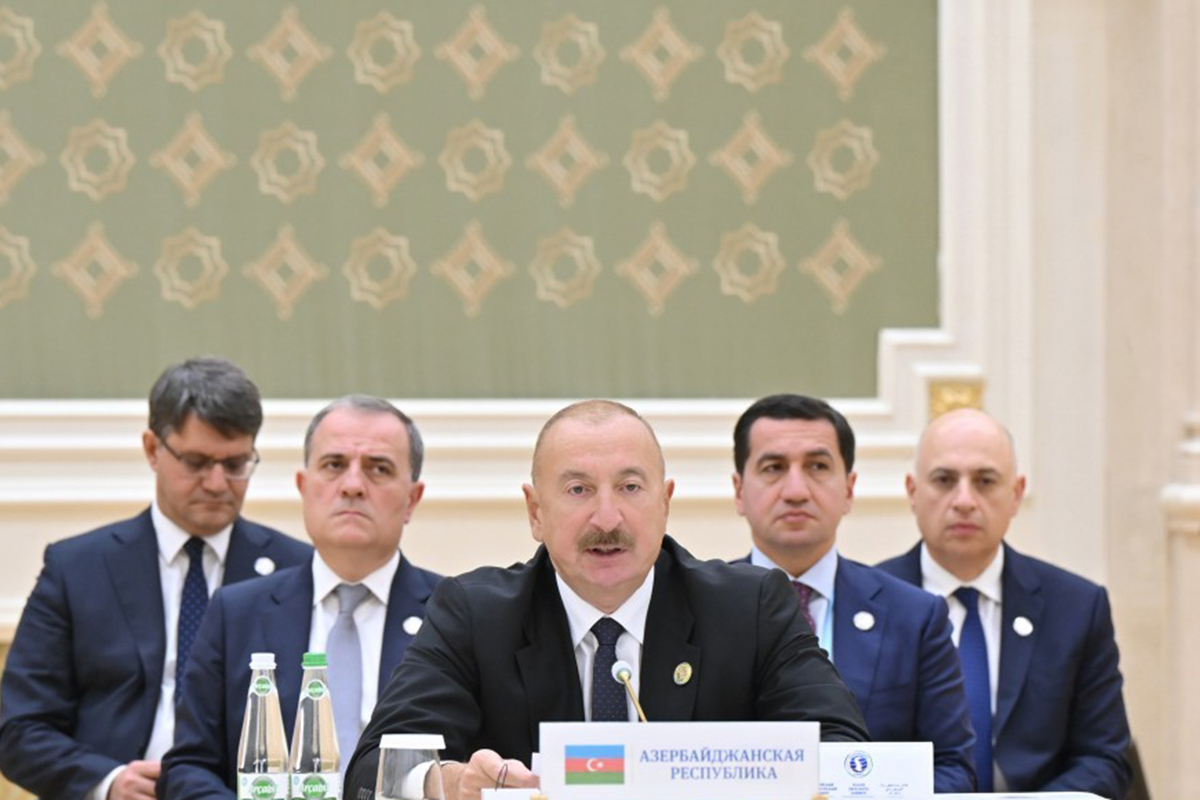
President Ilham Aliyev’s speech at the Turkmenbashi summit clearly outlines Azerbaijan’s position on the Caspian’s shallowness: the problem can be solved not by the individual efforts of separate countries, but through the coordinated actions of all Caspian littoral states.
The management of water resources in the Volga River, the impact of reservoirs and other hydraulic structures, as well as the factors causing the decrease in river flow, must be given special attention in the investigation of this process. At the same time, it is important to scientifically assess the role of climate change and evaporation. The goal is not to turn the causes of the problem into a subject of political dispute, but to find workable solutions for preserving the Caspian’s water balance by identifying all factors.
The continuation of the initiative put forward in 2022 with the decision to establish a five-party Commission in 2026 shows that Azerbaijan is keeping the issue on the long-term regional agenda. The main task before the Commission is to translate this political agreement into scientific research, concrete measures, and regular evaluation of results.
The future of the Caspian Sea is not only the future of the coastal countries but also the future of the region’s transport, energy, and environmental security. Therefore, protecting the sea requires common responsibility, sustainable cooperation, and long-term strategic planning.