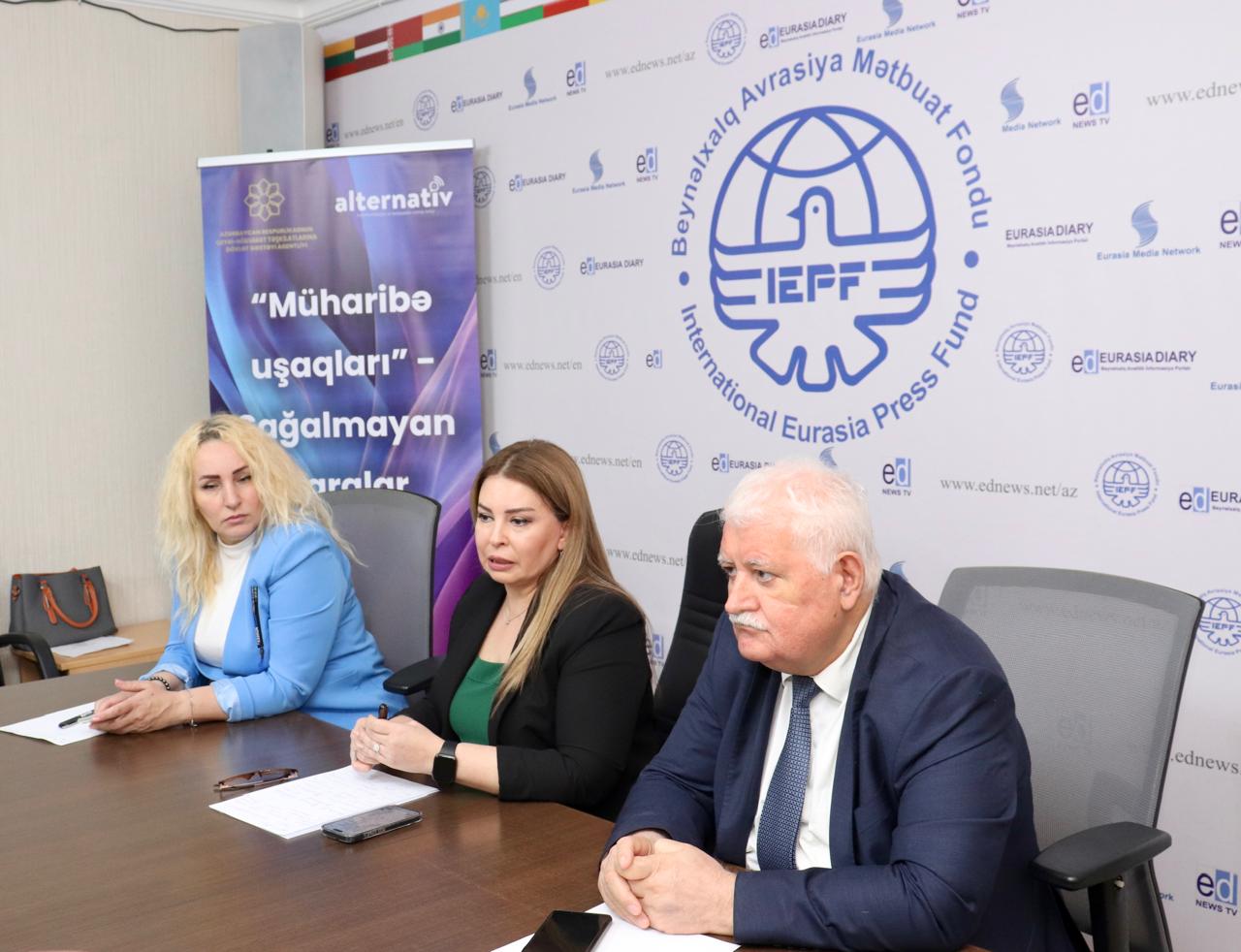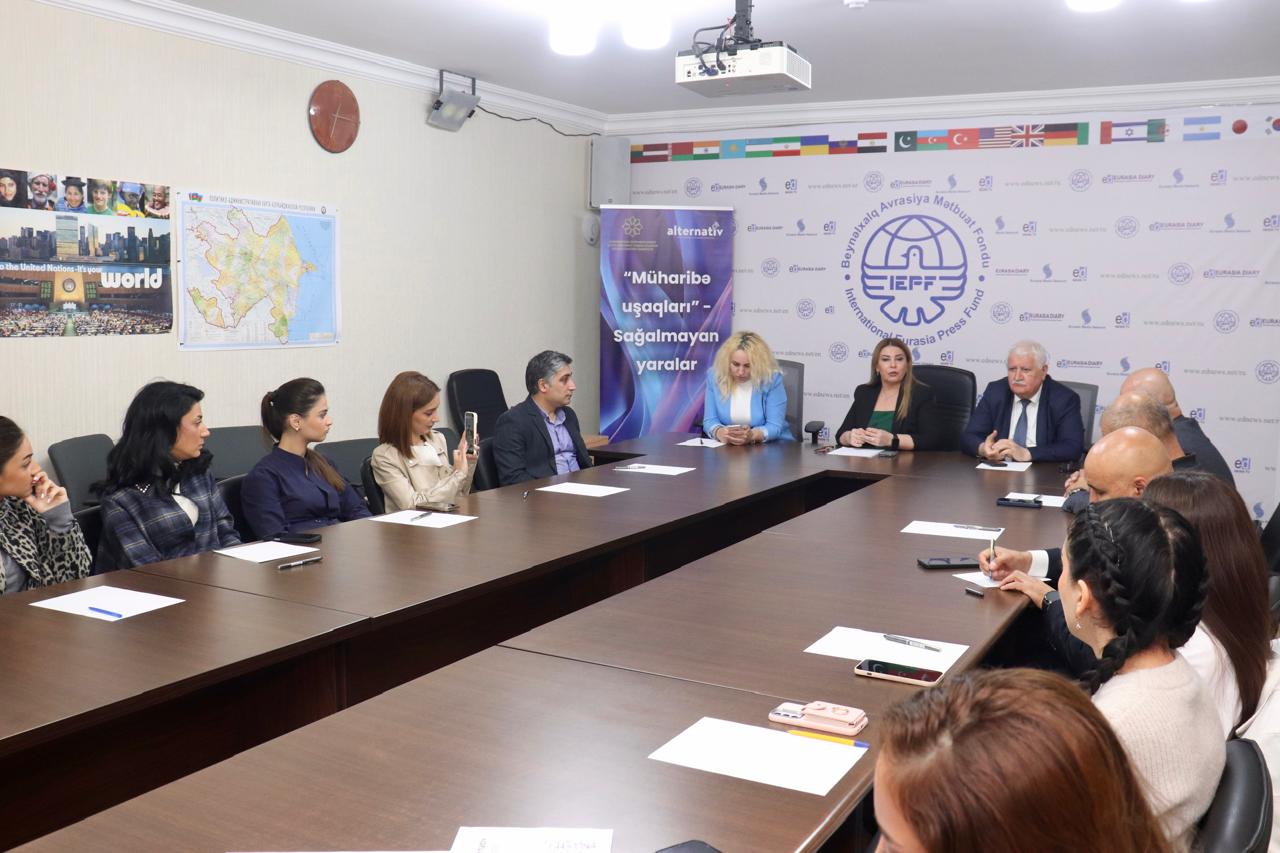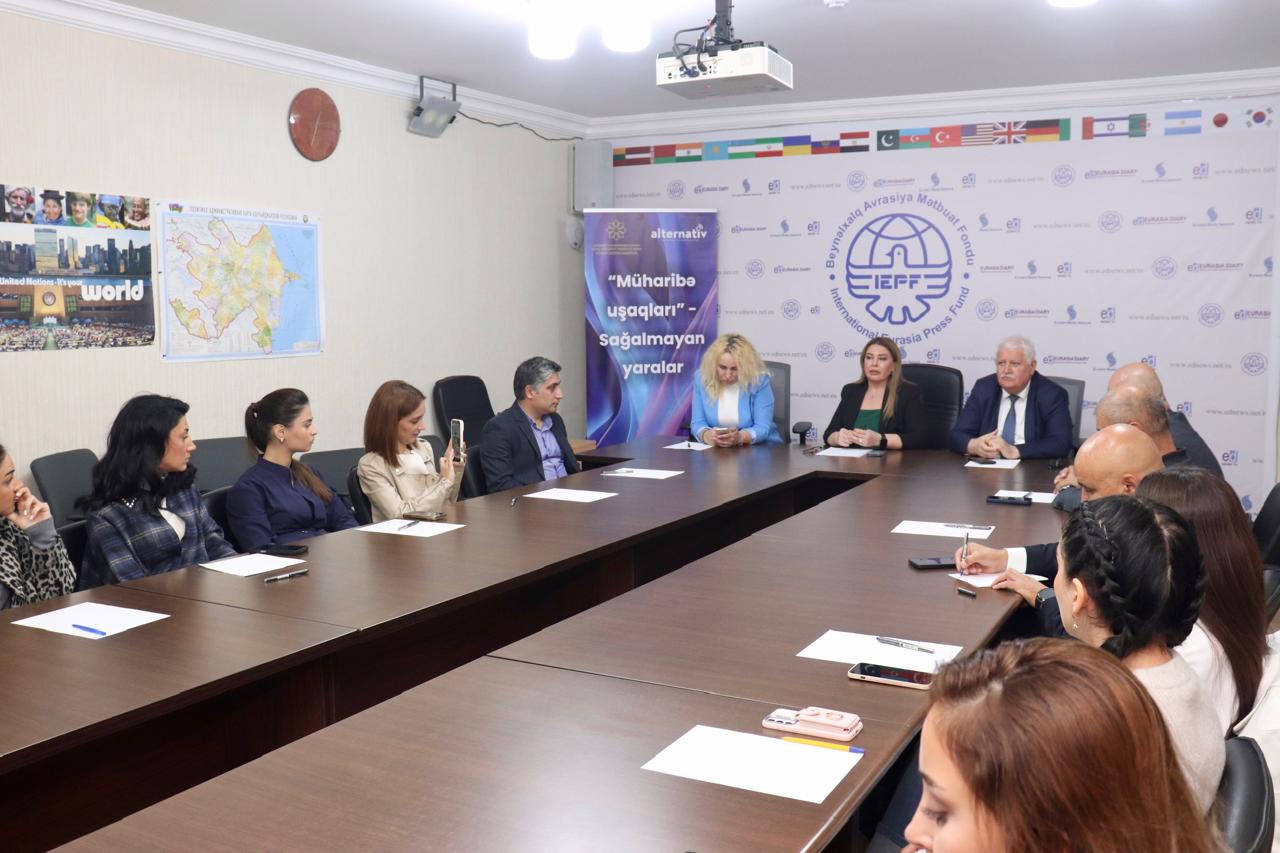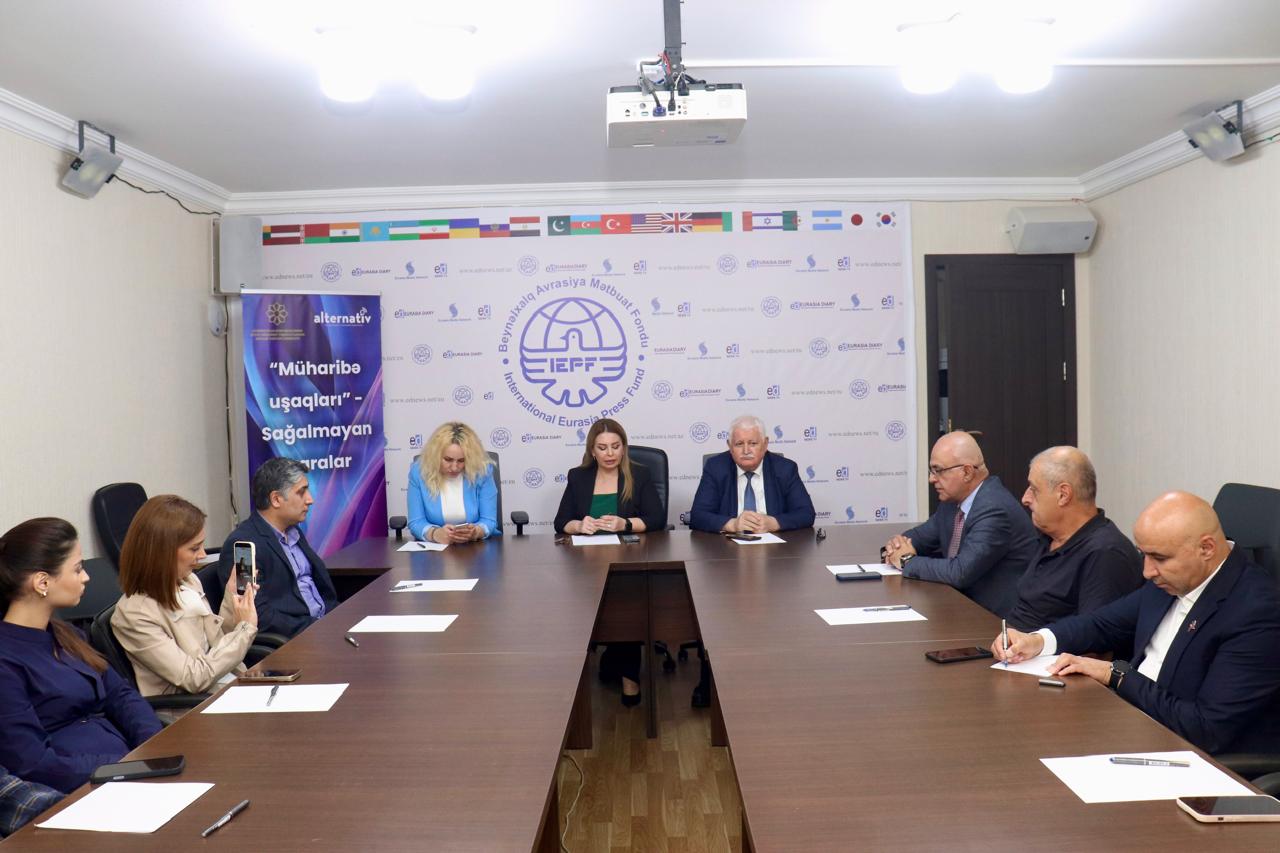
The presentation of the documentary film “Silent Trap”, prepared within the framework of the “War Children: Unhealed Wounds” project implemented by the “Alternative” Public Union of Communication and Research with the financial support of the Azerbaijan National Agency for Mine Action (ANAMA), was held. The event was opened with a welcoming speech by Jale Sabirqizi, Deputy Chairman of the “Alternative” Public Union of Communication and Research. She spoke about the project’s goal and the importance of making the documentary film. She noted that extensive restoration and construction work is being carried out in the liberated territories after the full restoration of Azerbaijan’s territorial integrity and sovereignty. At the same time, the mine threat remaining from the occupation period continues to be a serious humanitarian challenge. Although extensive work is currently being carried out to clear the territories of mines, the mine threat continues to affect people’s lives.
It was stated at the event, citing ANAMA’s data, that more than 3,500 people have fallen victim to mines since 1991 as a result of Armenia’s military aggression and occupation of Azerbaijan. 362 of them are children and young people. It was stated that behind these figures lie interrupted childhoods, changed life destinies, and long-term physical and psychological traumas. The main goal of the “War Children: Unhealed Wounds” project is to convey the life stories of children who are victims of mines to society, draw attention to the problems they face, and increase awareness about the mine threat.
The director of the documentary film “Silent Trap” is Elnur Jabrayilov, and the screenwriter is Esmira Namigqizi. The film tells about the changing destinies of children who are victims of mines and the severe consequences of the mine threat, exemplified by Elgun Huseynov and Agshin Mammadov, residents of Alibayli and Jalilli villages in the Tovuz region.
It was reported that the film was translated into English to reach a wider audience.
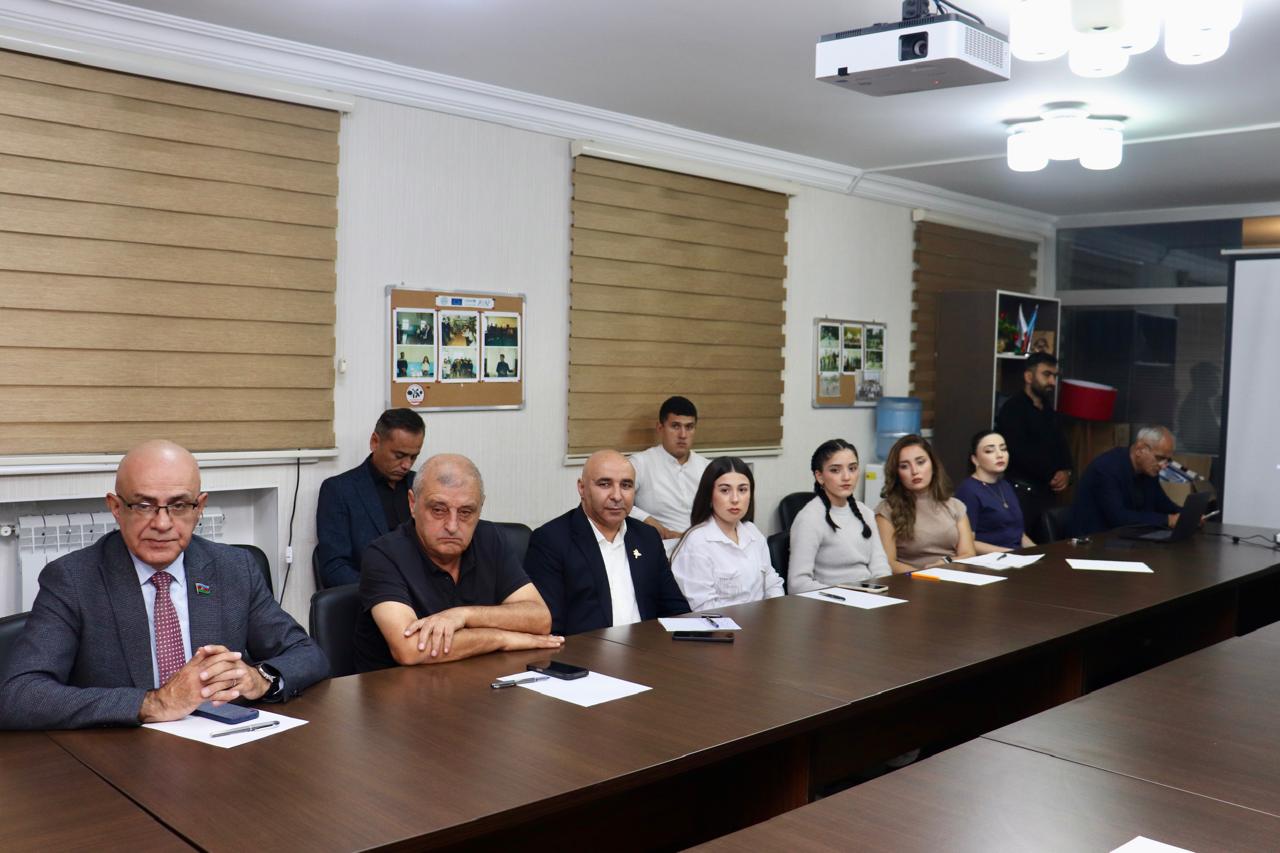
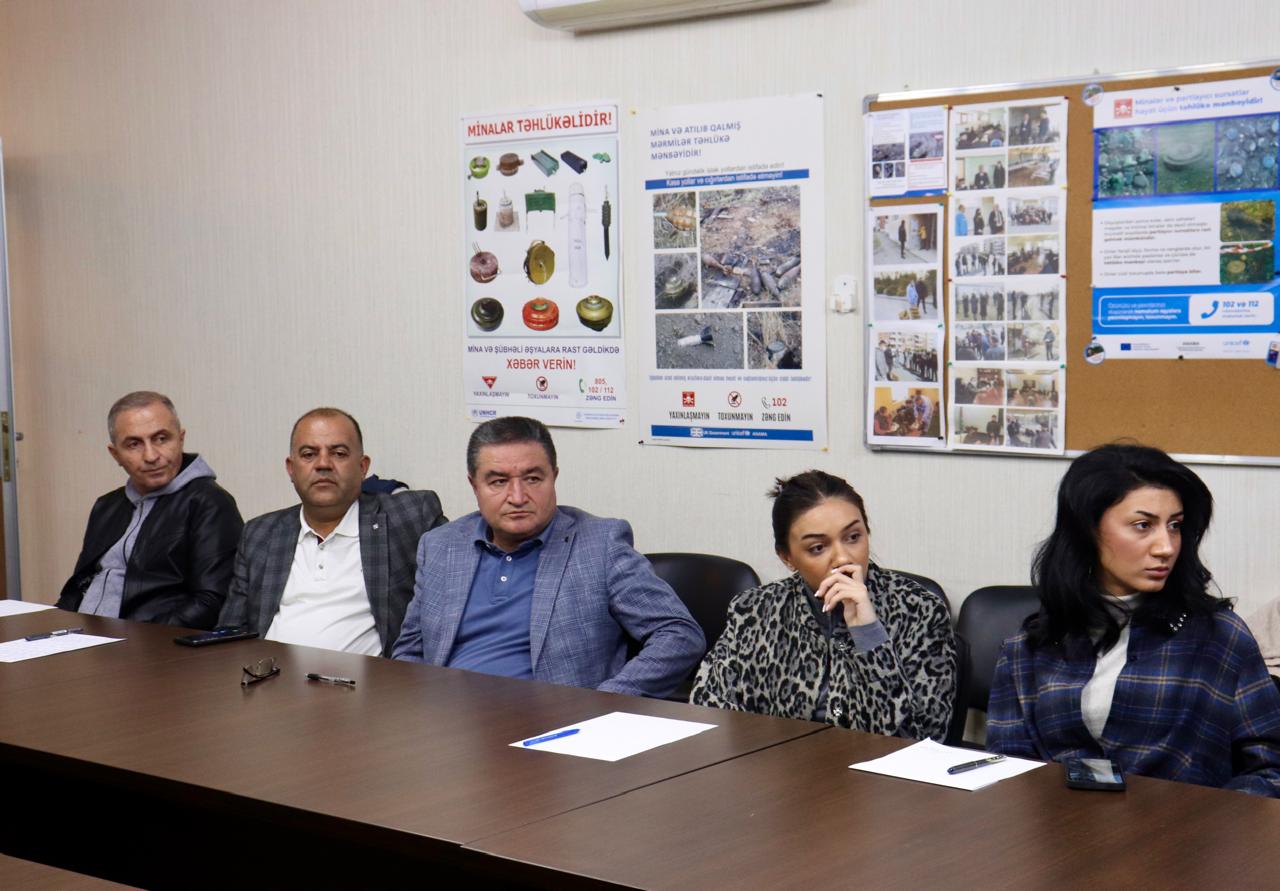
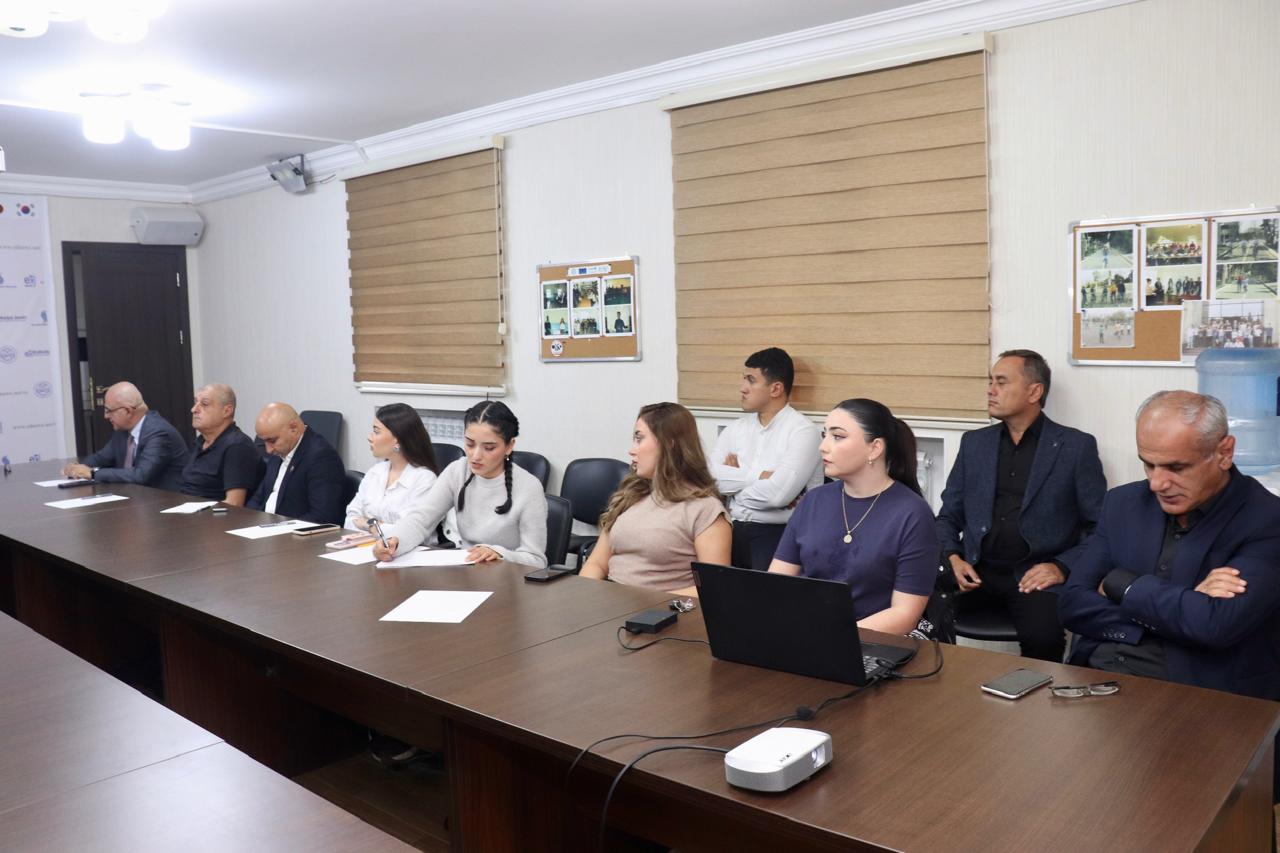
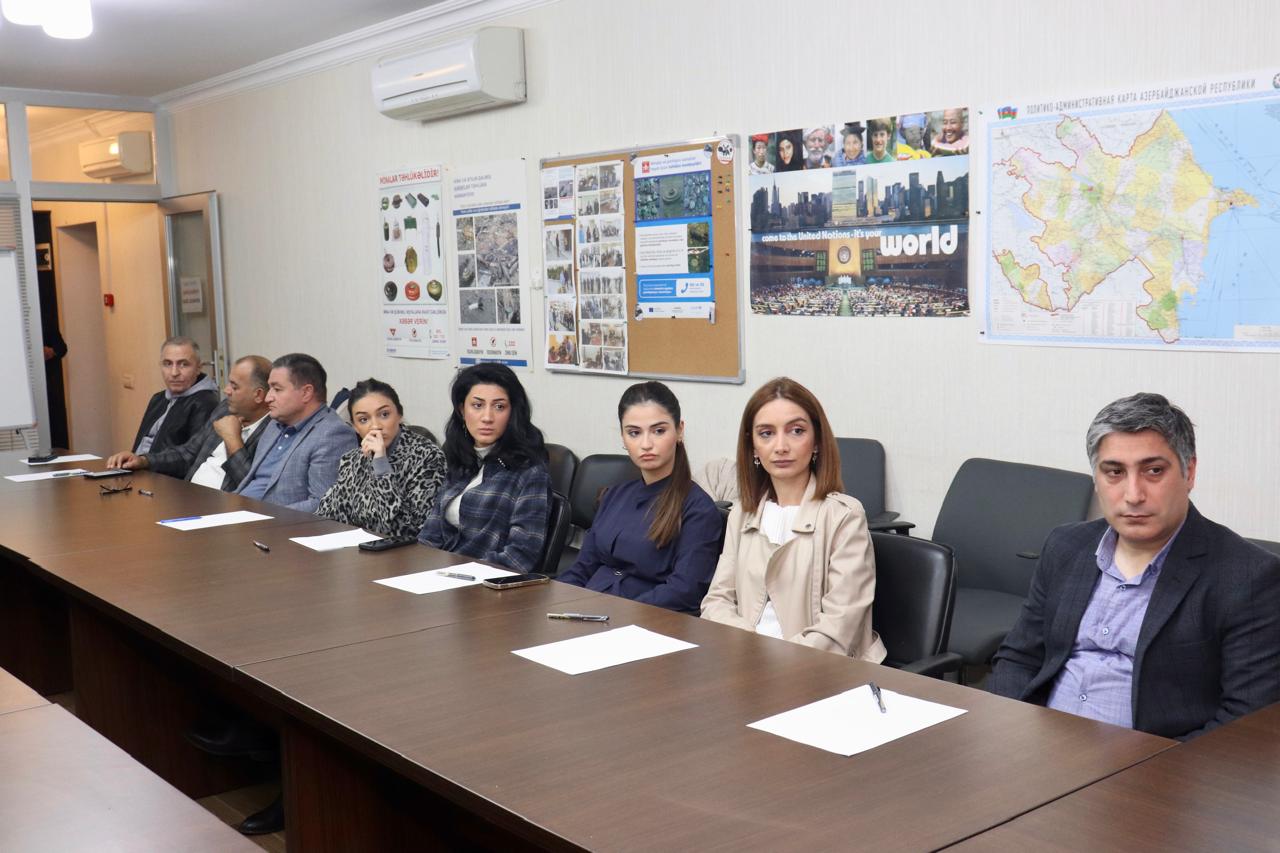
Representatives of state and NGOs, members of parliament, media representatives, and public representatives attended the event.
Speaking at the event, the film’s screenwriter Esmira Namigqizi spoke about the filmmaking process and the responsibility created by the filming of real human stories. She emphasized that the film, based on real-life stories and interviews, reflects the impact of mine explosions on human destinies and the traumas experienced.
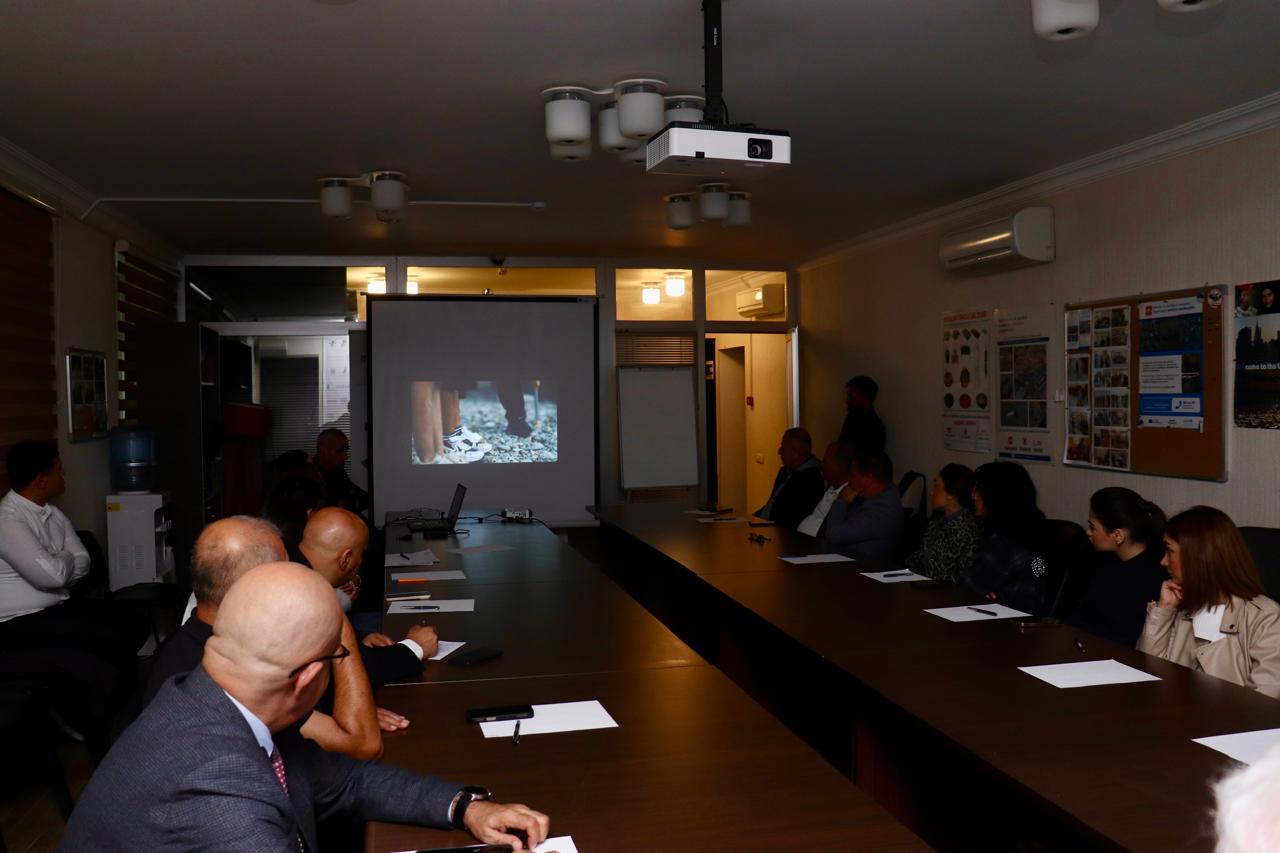
Afterwards, the documentary film “Silent Trap” was screened.
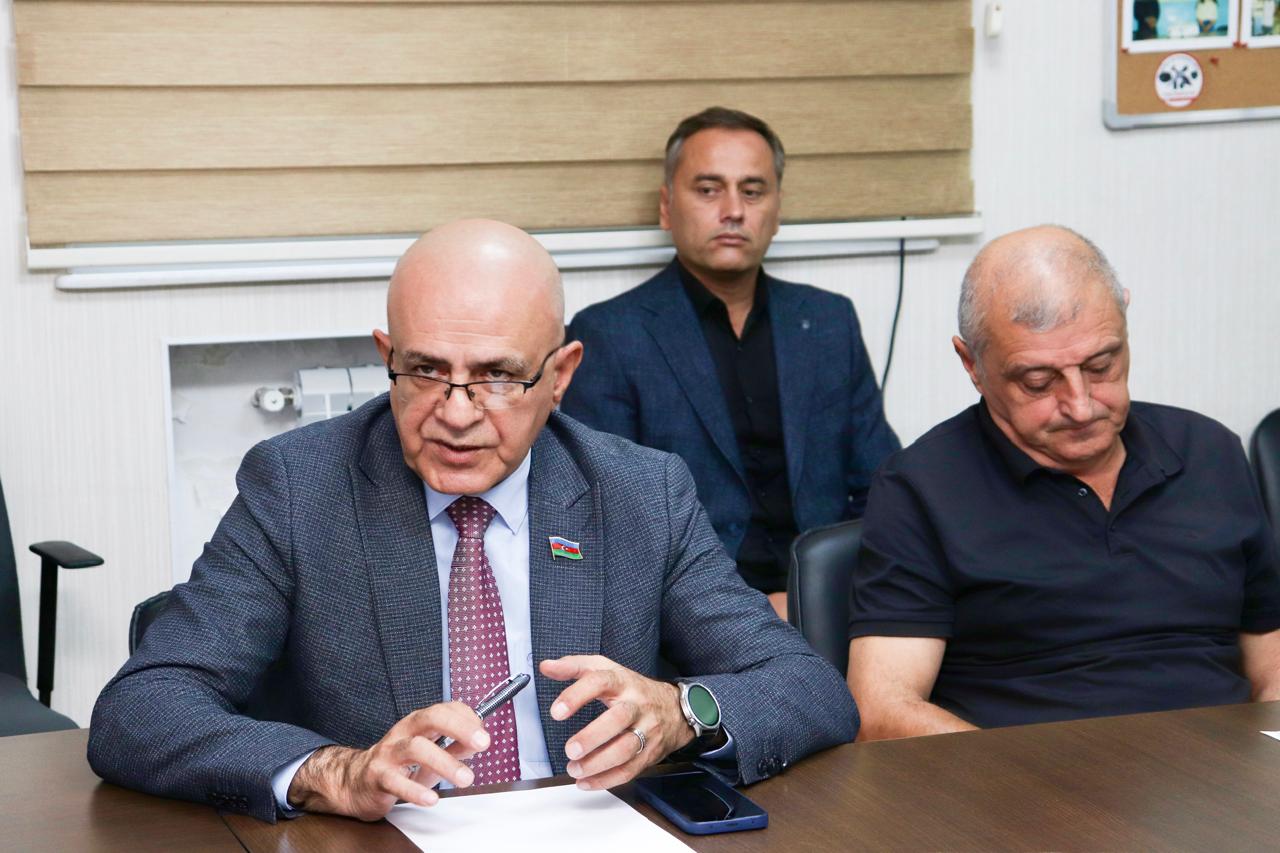
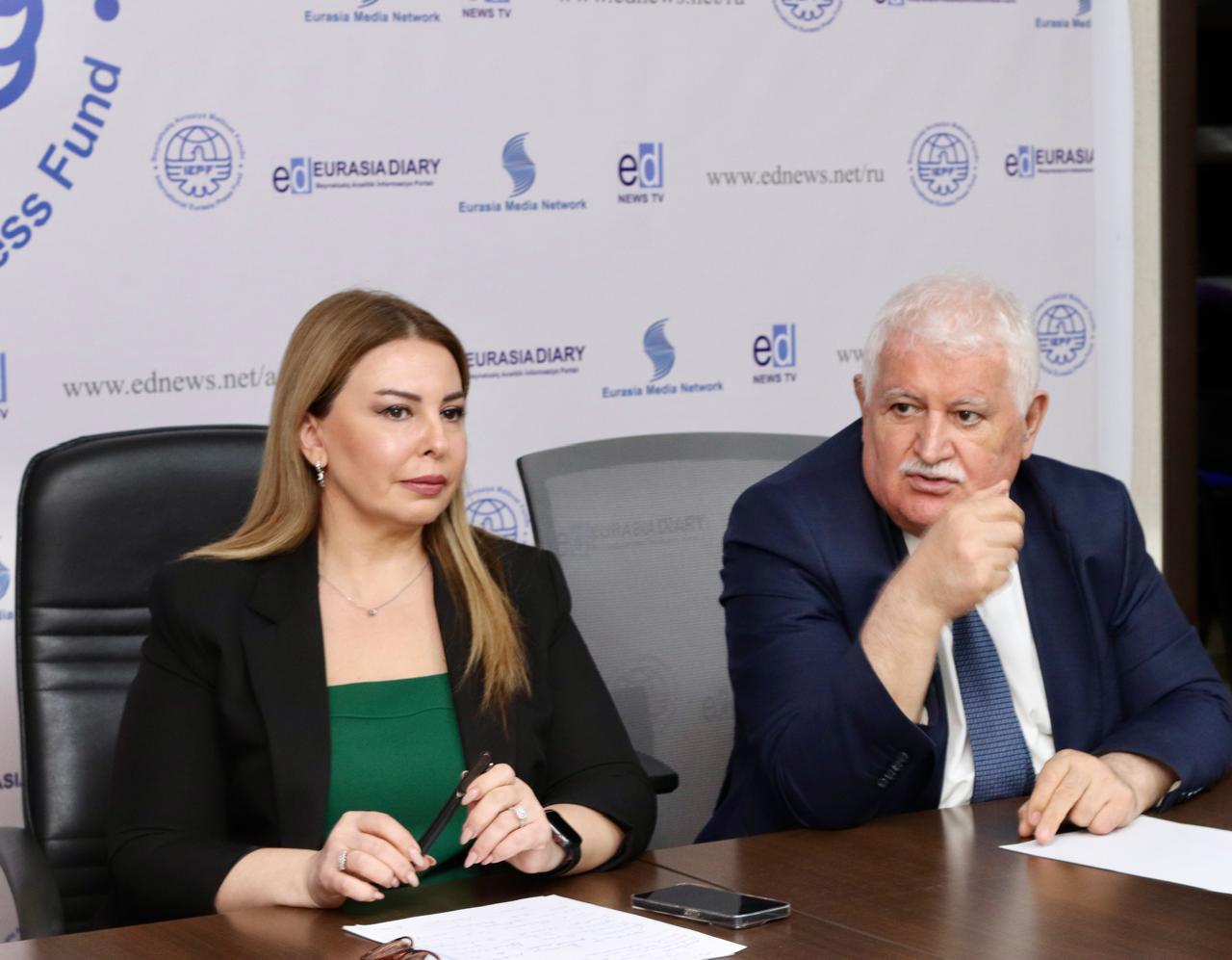
Following the screening of the film, Member of Parliament Elchin Mirzabayli, President of the International Eurasia Press Fund, Chairman of the Public Council under the Azerbaijan National Agency for Mine Action Umud Rahimoglu, Chairman of the “Azerbaijan Campaign Against Mines” Public Union Hafiz Safikhanov, Member of the Board of the Azerbaijan National NGO Forum Zaur Ibrahimli, Director of the Caucasus Center for Political Analysis Ahmad Alili, Head of “Senger” TV Agil Alishov, and Chairman of the “Citizen” Research and Development Public Union Ali Haziguliyev, and other speakers shared their thoughts on the film and the project. The speakers highly appreciated the professional level of the film, the impactful presentation of real human stories, and the attention paid to the humanitarian aspects of the mine problem. It was stated that the life stories of Elgun and Agshin demonstrate with a concrete example how the mine threat can change the destiny of a person and a family. The speeches also emphasized the importance of informing the international community about the contamination of Azerbaijani territories with mines and its consequences. It was noted that such projects allow the mine problem to be presented not only through statistical indicators but also through specific human destinies.
The importance of continuing the rehabilitation and social integration of mine victims, especially children, as well as raising awareness about the mine threat, was noted at the event. The film “Silent Trap”, prepared within the framework of the “War Children: Unhealed Wounds” project, shows the severe consequences of the mine threat in the lives of children through concrete human stories and serves to bring this problem to the attention of both local and international audiences.