
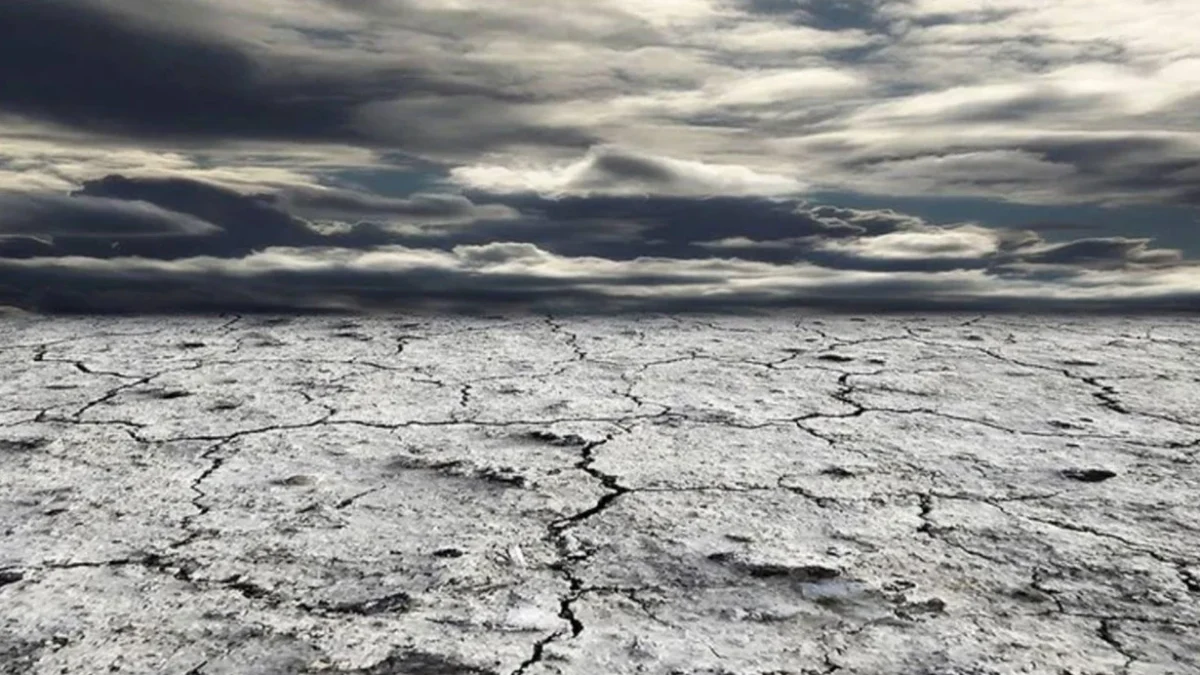
The World Health Organization (WHO) identifies climate change as one of the greatest global risks to human health in the 21st century. According to WHO data, between 2030 and 2050, climate change could cause approximately 250,000 additional deaths per year due to heat stress, malnutrition, malaria, and diarrhea. The same forecast states that the direct costs of climate change to health systems could reach $4 billion per year by 2030.
“Elchi” reports that climate change is no longer just an environmental problem for the distant future; it is a global crisis directly threatening human health, cities, and food and water security today. According to the World Health Organization, climate change could cause approximately 250,000 additional deaths per year between 2030 and 2050 due to the effects of heat stress, malnutrition, malaria, and diarrhea alone. The extreme heat experienced in Europe at the end of June revealed the scale of the threat. In France, Belgium, and the Netherlands alone, at least 3,700 additional deaths were recorded during the heatwave that occurred between June 20 and 28.
Threat to health
According to experts, this situation shows that the climate crisis is not just an environmental problem that future generations will face. Extreme heat increases the risk of emergency calls due to cardiovascular diseases, respiratory problems, kidney failure, and dehydration. Prolonged heatwaves can have fatal consequences, especially for the elderly, infants, pregnant women, those with chronic illnesses, outdoor workers, people living in poor neighborhoods, and groups without access to cooling systems. As temperatures rise, nighttime cooling in cities weakens, and the heat trapped in concrete and asphalt prevents the human body from recovering. Therefore, heatwaves become a public health risk not only during the day but also at night.
Deaths are increasing
The heatwave experienced in Europe at the end of June was one of the most concrete examples of this risk. According to data from the Reuters agency, at least 3,700 additional deaths were recorded in France, Belgium, and the Netherlands during the extreme heat that occurred between June 20 and 28, 2026. In France, 2,025 additional deaths were recorded, while approximately 1,200 deaths were recorded in Belgium and approximately 480 in the Netherlands. In France, deaths increased by 29 percent compared to the previous week; the increase in deaths occurring at home reached 91 percent.
Record temperatures
Extreme heat has not only increased the number of deaths but has also put pressure on health systems, energy infrastructure, and urban life. Record high temperatures were observed in many European countries. The United Kingdom broke its new June record at 37.7 degrees Celsius, Germany reached 41.7 degrees, the Netherlands broke its June record with 39.4 degrees, and Hungary reached 42 degrees. In some regions of France, temperatures exceeded 40 degrees Celsius. Extreme heat also negatively affected electricity production and transport infrastructure; roads, railways, power lines, and cooling systems faced increasing pressure.
Şayəstə