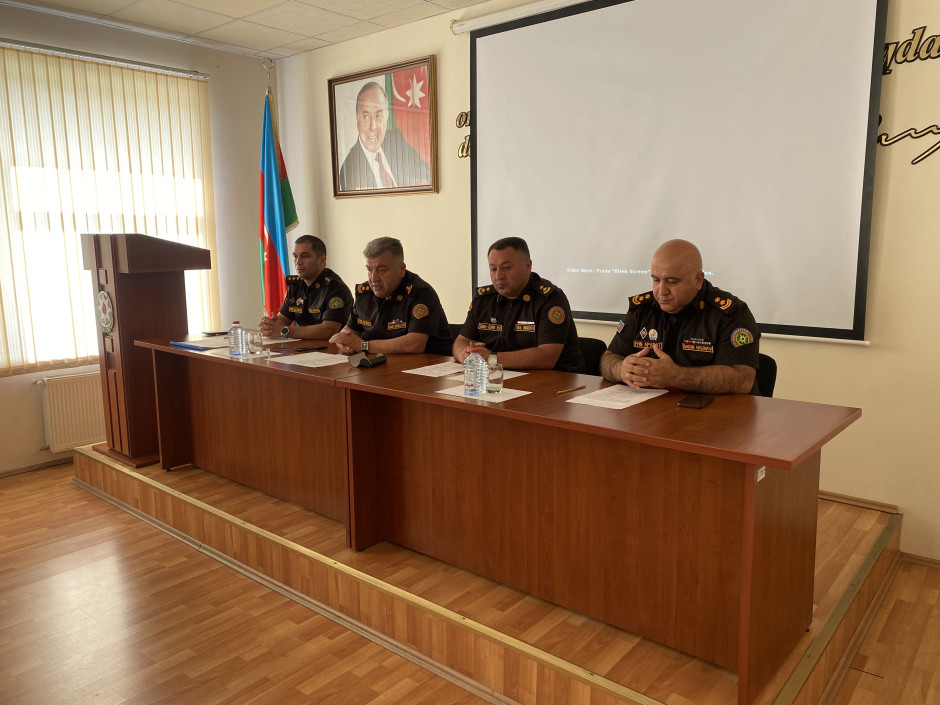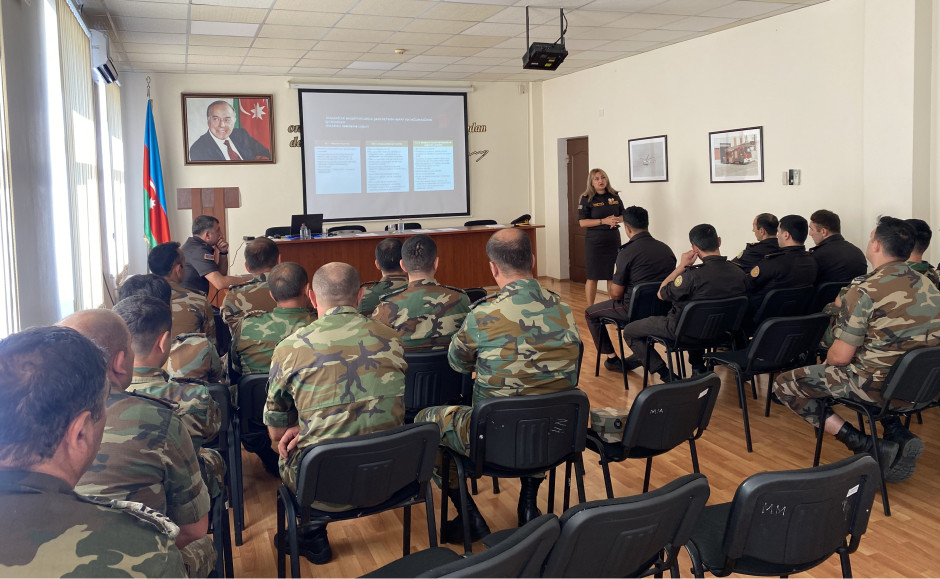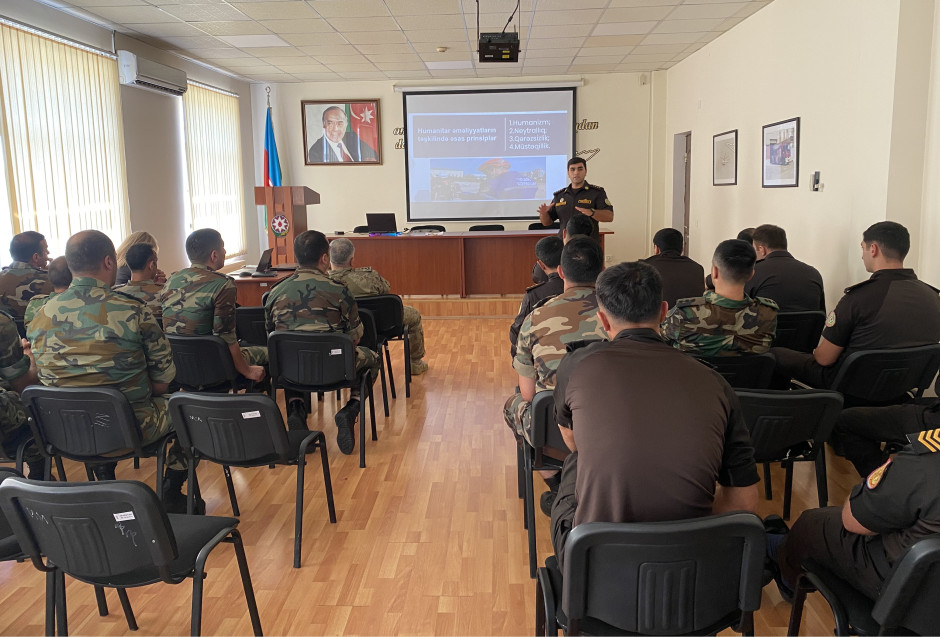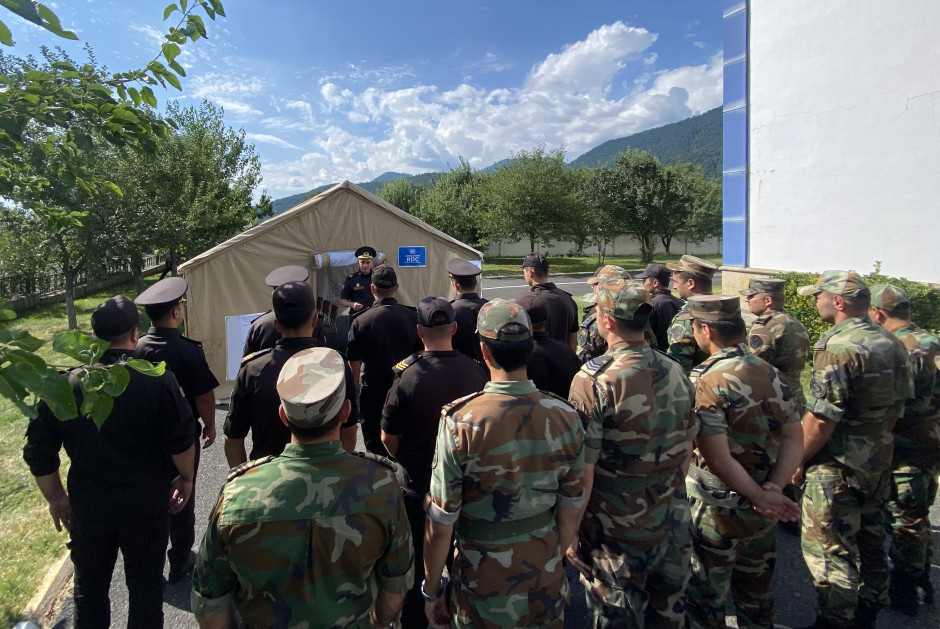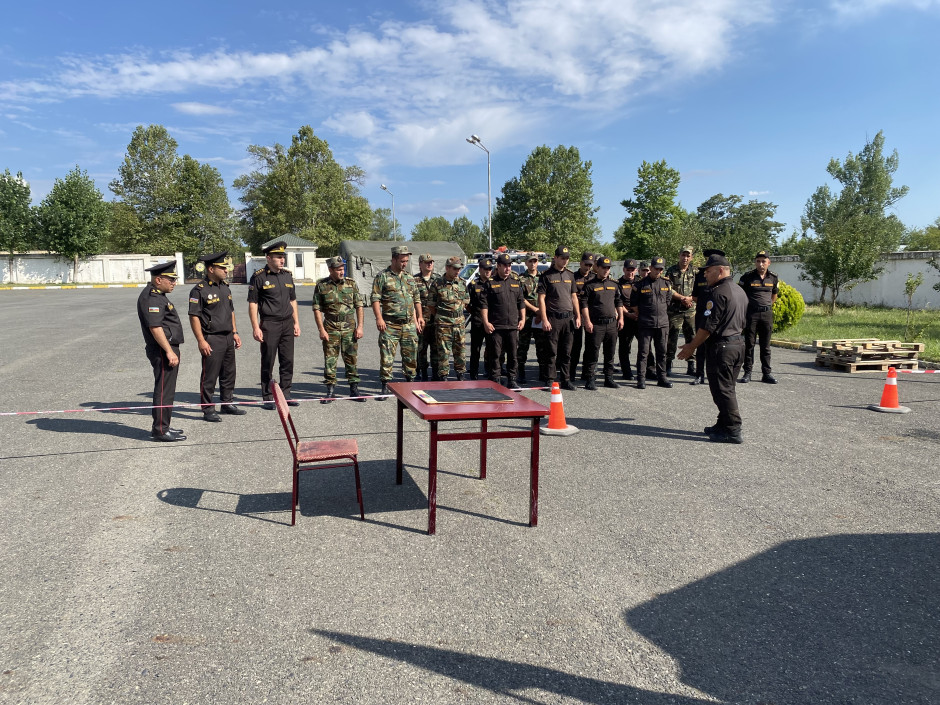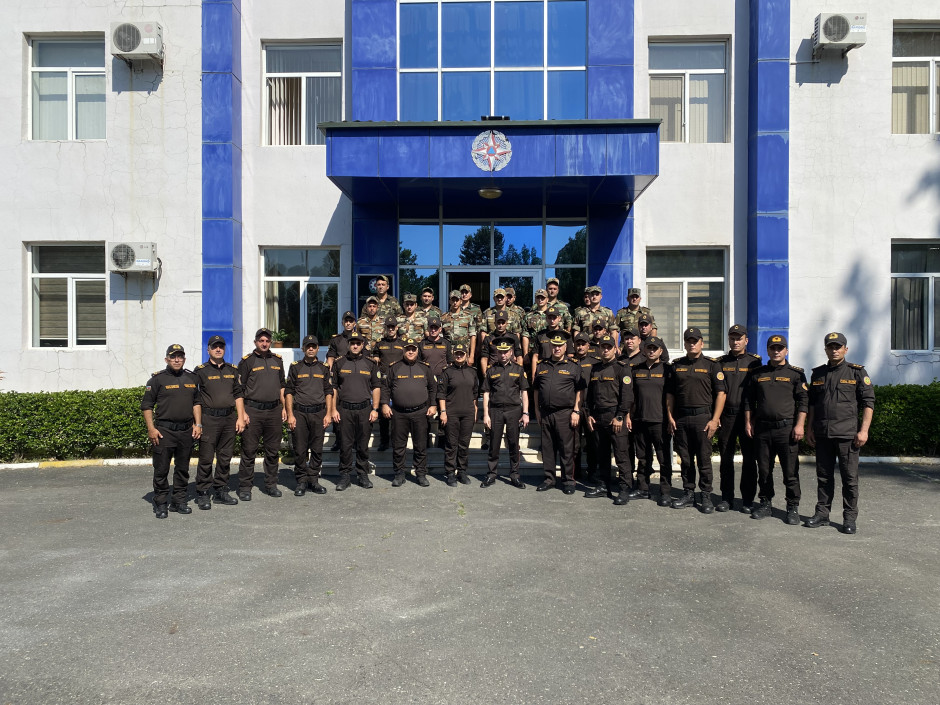
A tactical-special exercise on the theme “Organization of management during large-scale disasters and application of modern search and rescue methods” was held in Gabala city, jointly organized by the Main Operations Department of the Ministry of Emergency Situations, the Main Department for Organization of Work with Regional Centers, Project Management and Education Issues, and the North-West Regional Center.
According to the information provided by the Ministry to “Elchi”, the main purpose of the exercise was to improve the knowledge and skills of the employees of the Ministry’s structural units located in the North-West region, who participate in operational planning and headquarters management, in organizing effective management and coordination during international humanitarian operations.
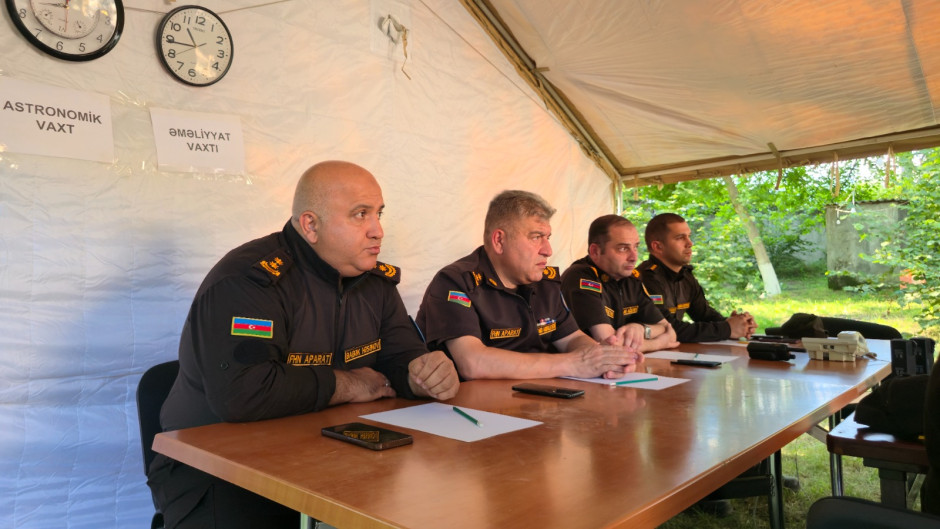
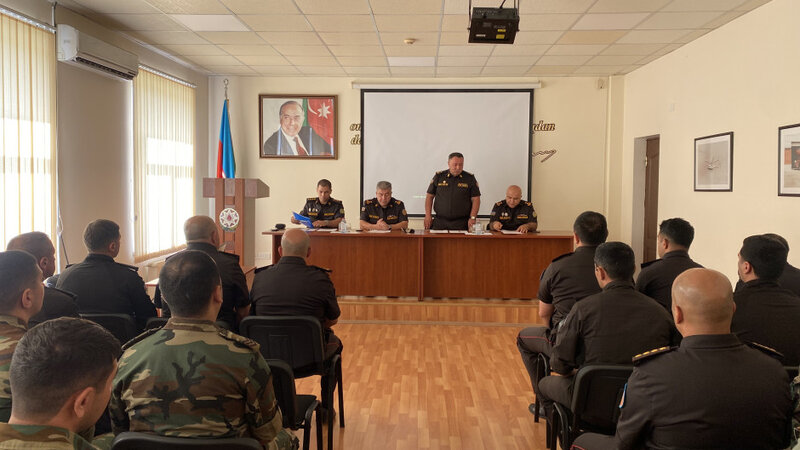
Within the framework of preparations for the exercise, sessions were organized where reports on participation in humanitarian operations were heard. The reports highlighted that the rescue forces of the Ministry of Emergency Situations have the potential to participate effectively not only within the country but also at the international level in eliminating the consequences of natural disasters and in humanitarian operations. At the same time, the extensive experience gained by the Ministry during international humanitarian operations was discussed, and relevant recommendations were provided.
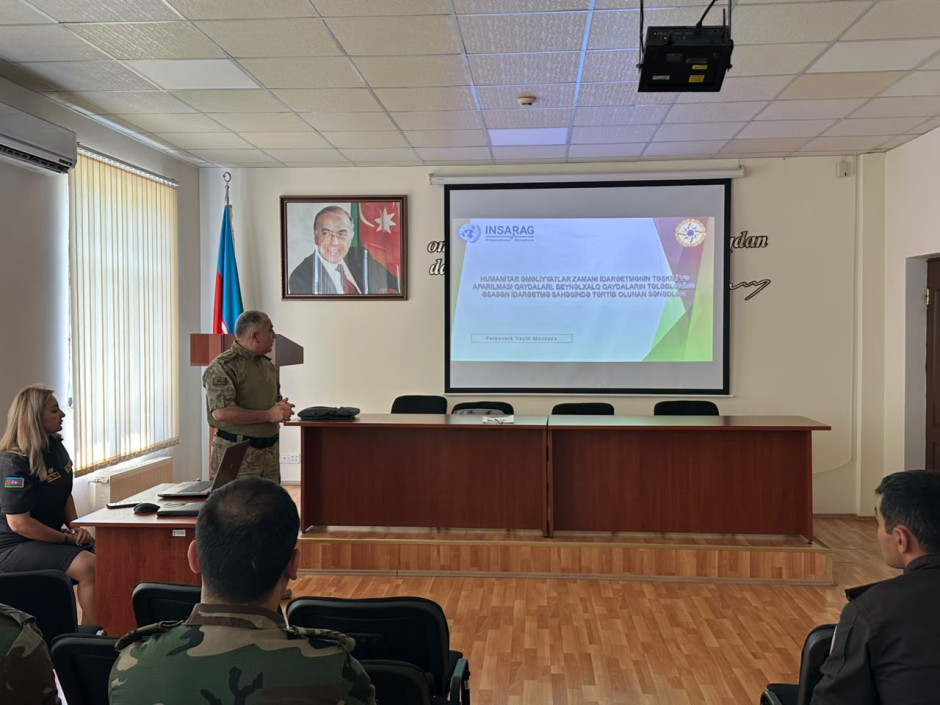
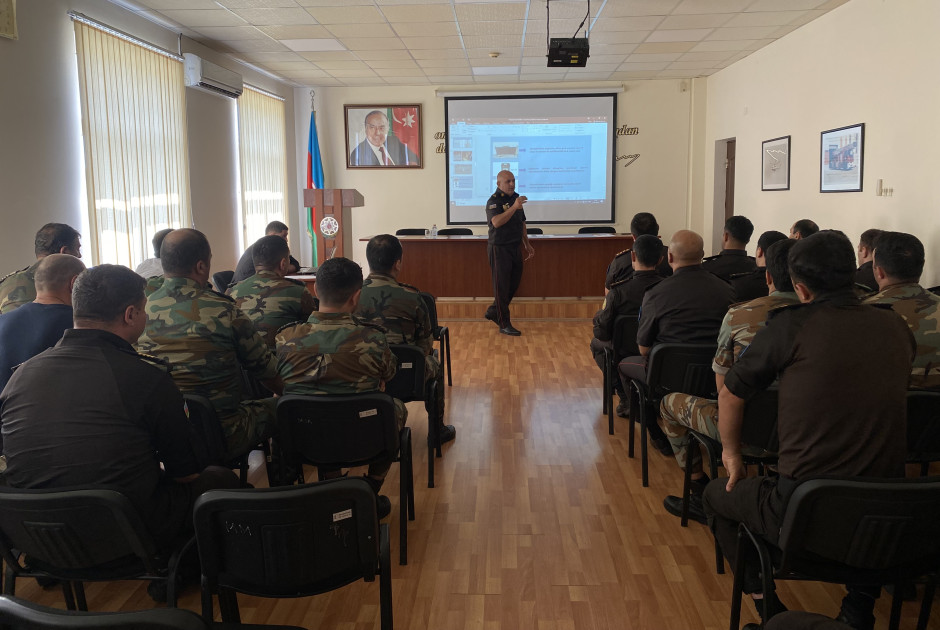
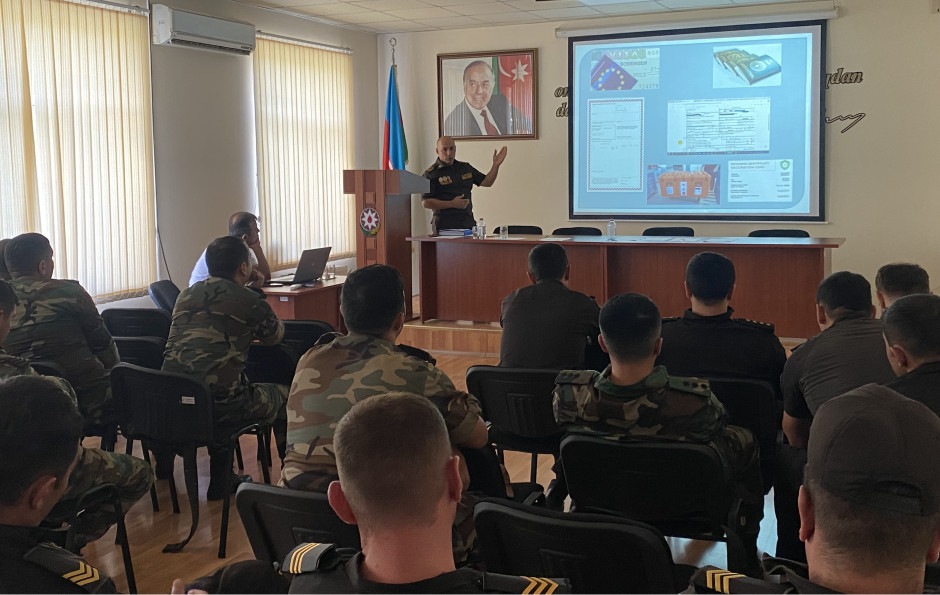
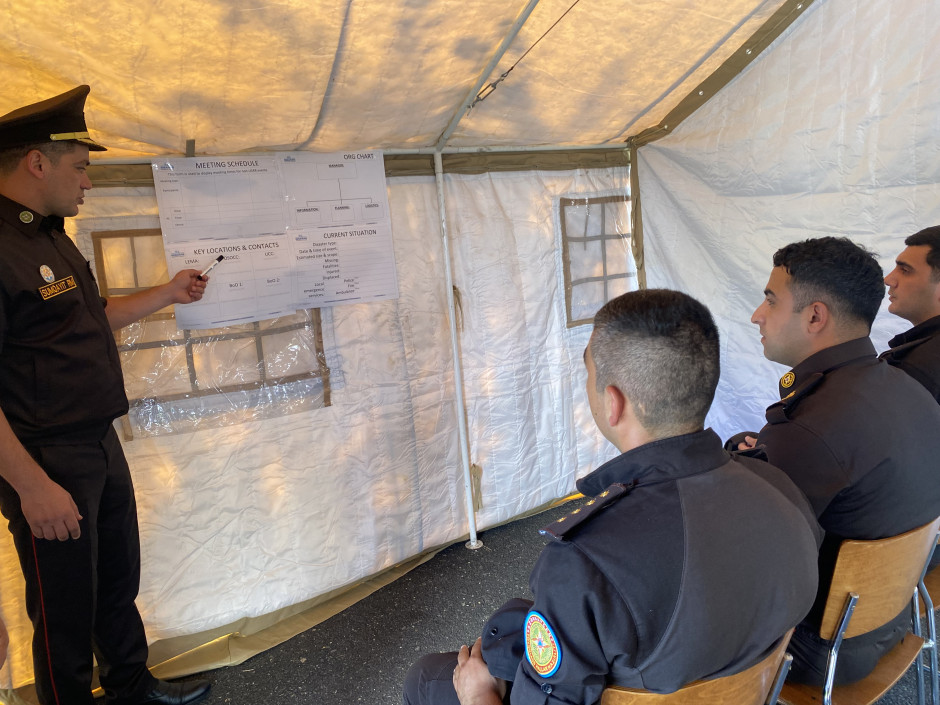
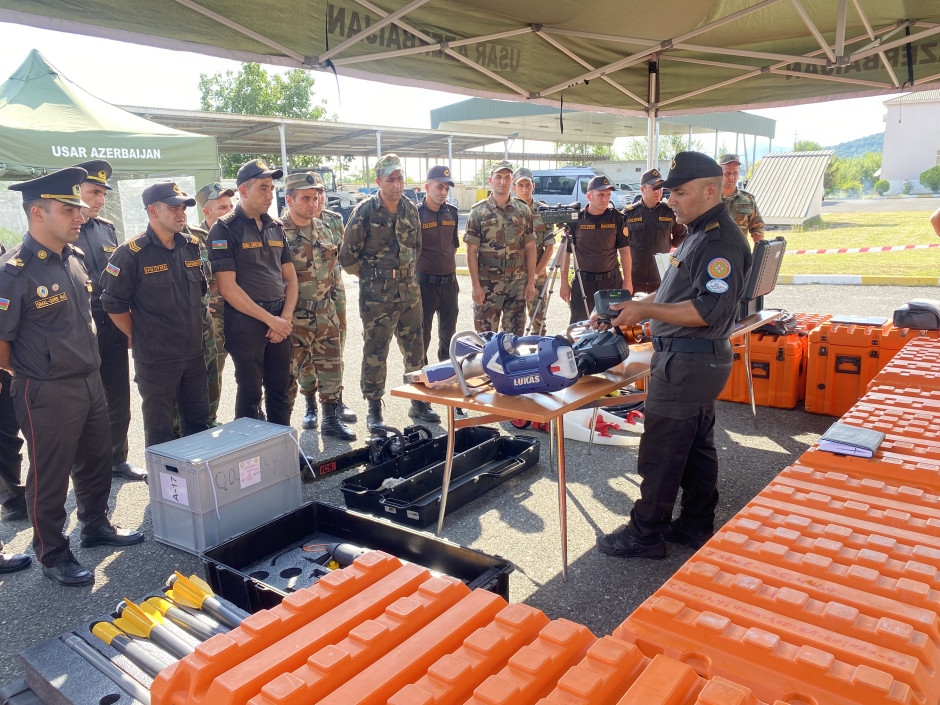
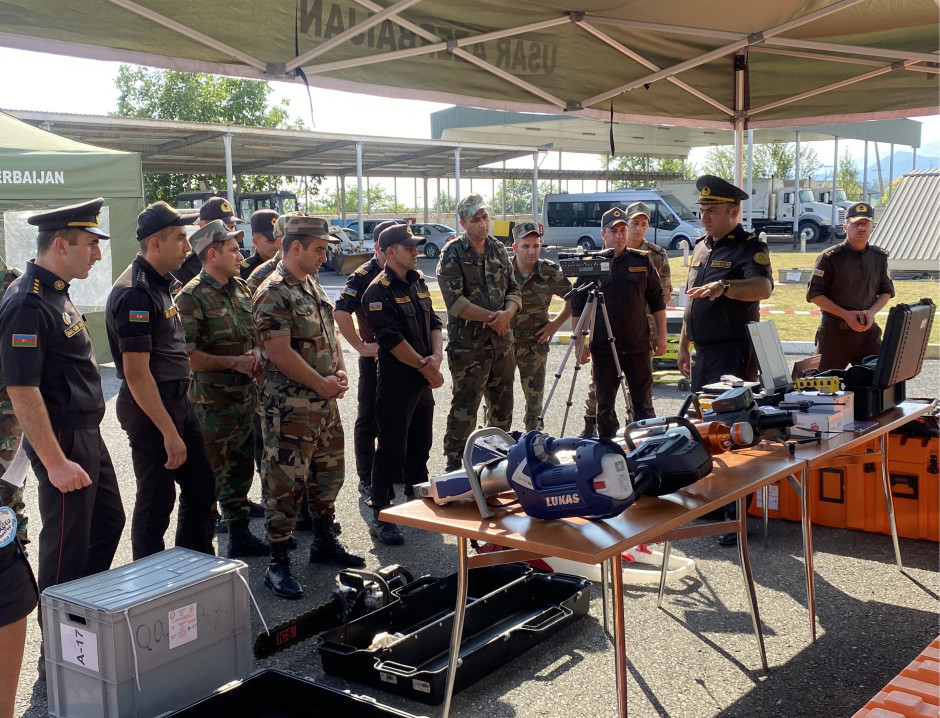
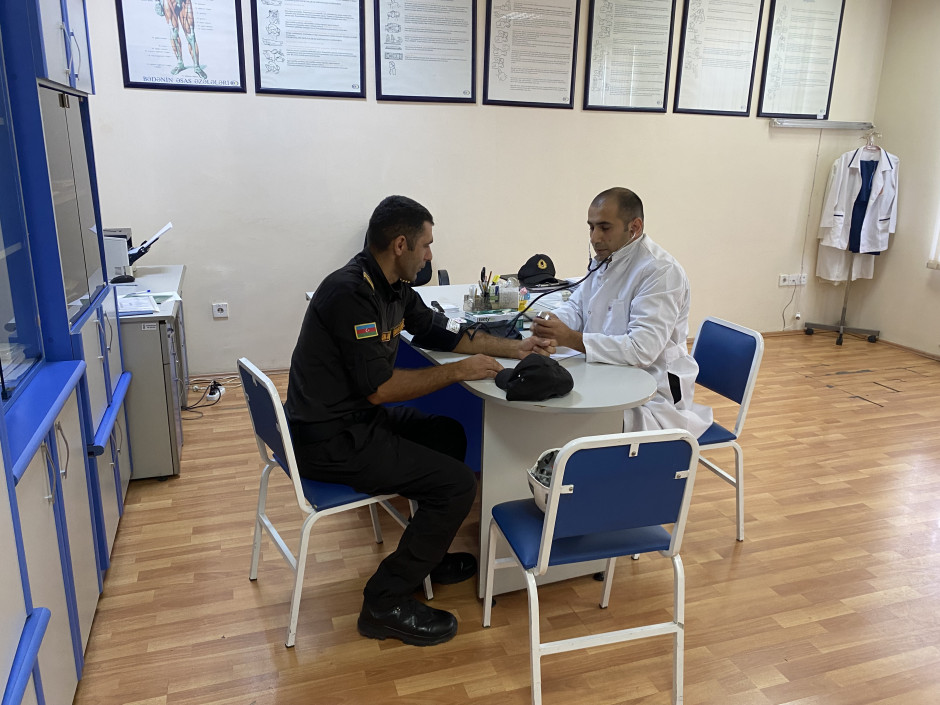
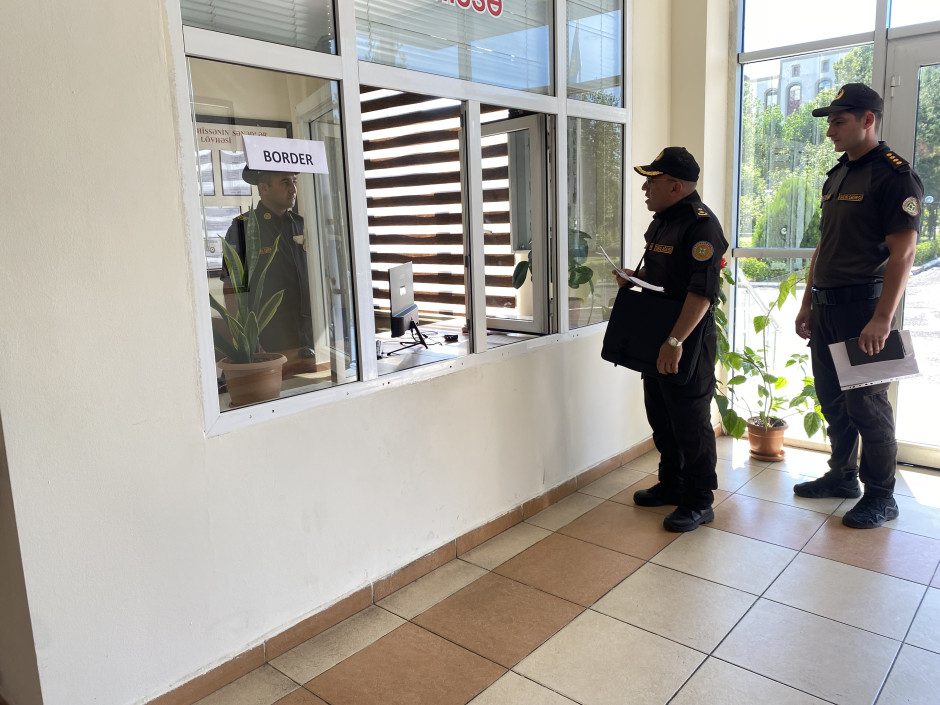
In addition, according to the training program, presentations on management, coordination, logistics, medicine, and search and rescue were made based on the guidelines of the UN INSARAG (International Search and Rescue Advisory Group) Secretariat. The participants were provided with detailed information about the working principles of the “Virtual On-Site Operations Coordination Centre (VOSOCC)” and the “INSARAG Coordination and Management System (ICMS)”, as well as the importance of the press in humanitarian activities. During the training process, the listeners were taught theoretical knowledge on the operating mechanism of the “Urban Search and Rescue Coordination Cell (UCC)” and the “Reception/Departure Centre (RDC)”. Furthermore, the organization, operational directions, and document flow of the “Base of Operations (BoO)” meeting international standards, as well as the technical potential of modern search and rescue equipment and satellite communication systems used in humanitarian operations, were demonstrated visually.
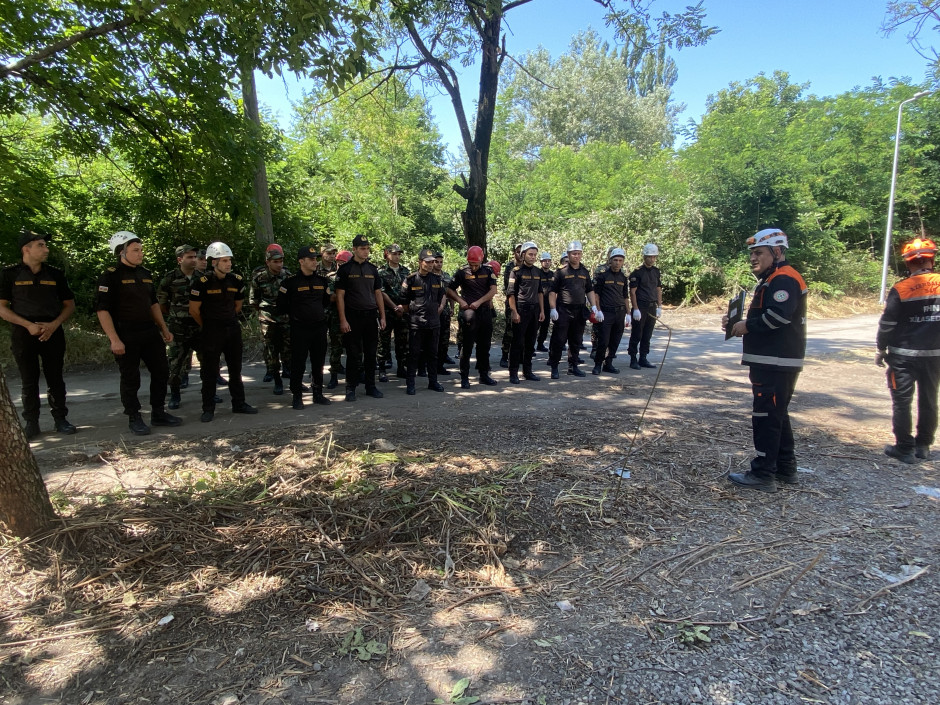
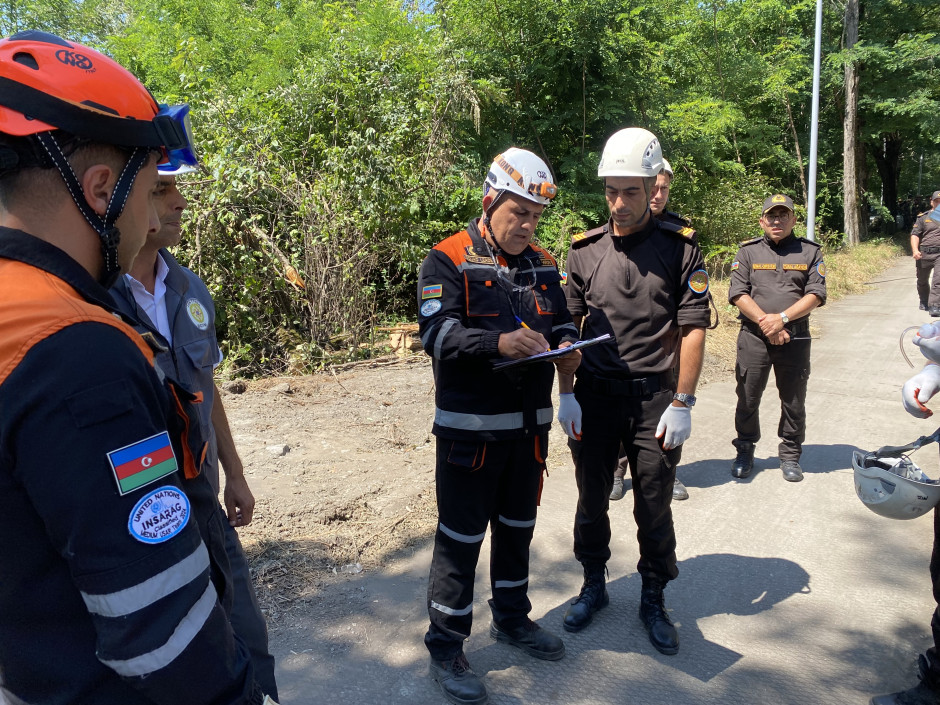
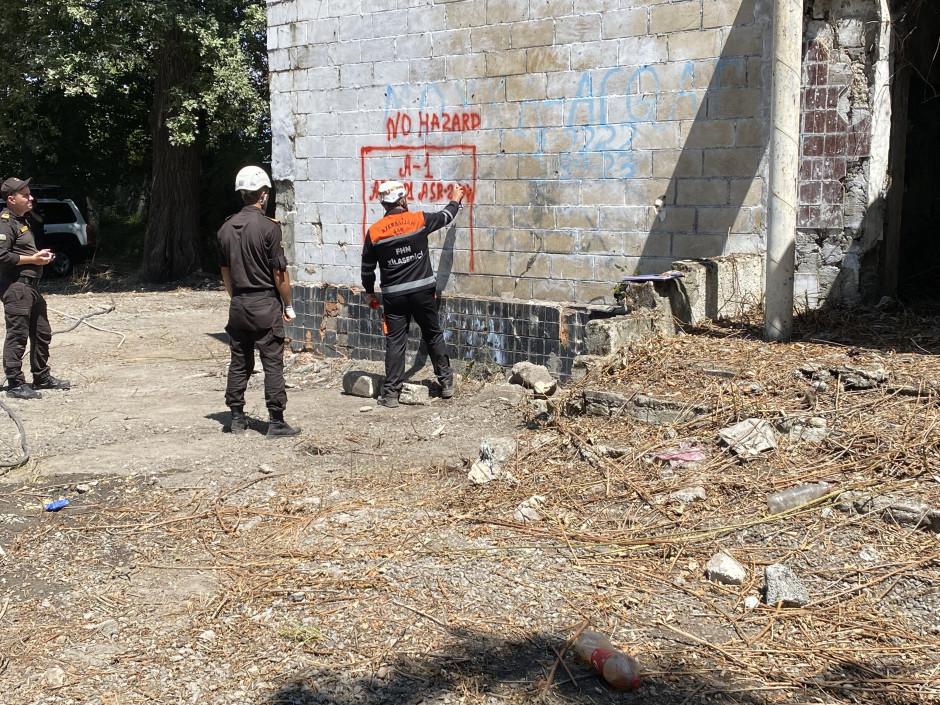
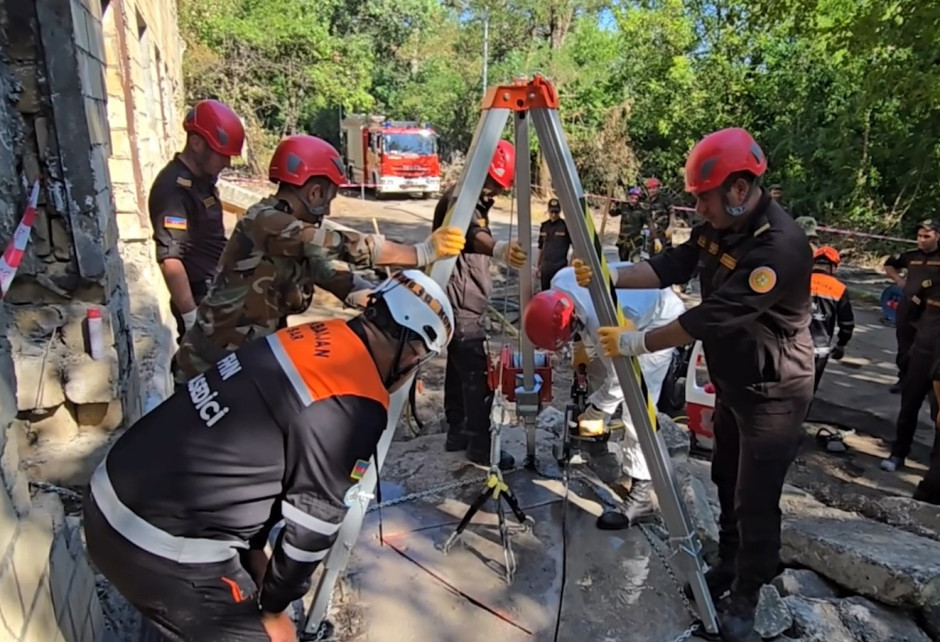
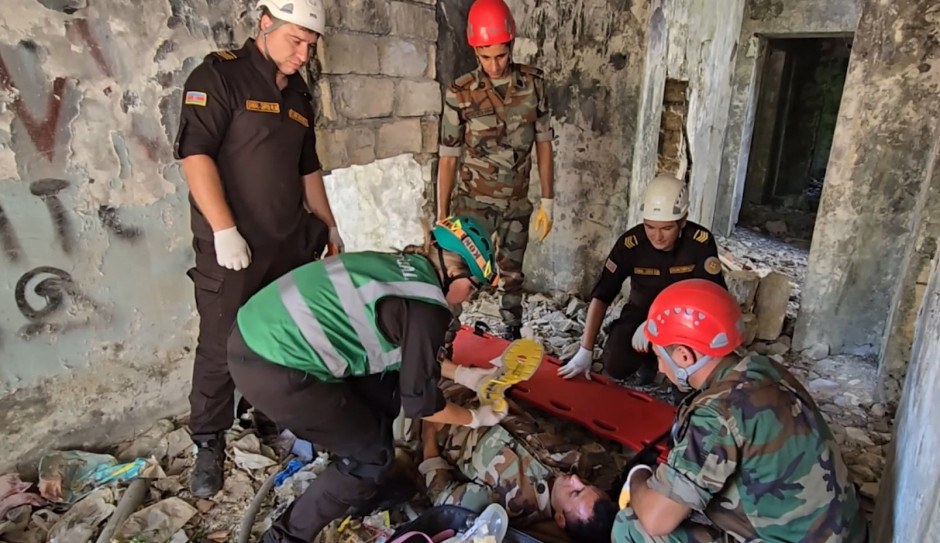
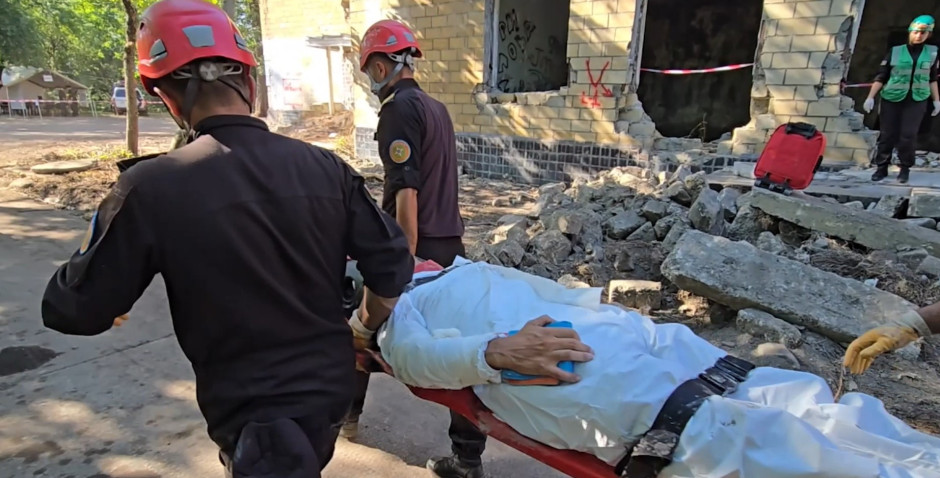
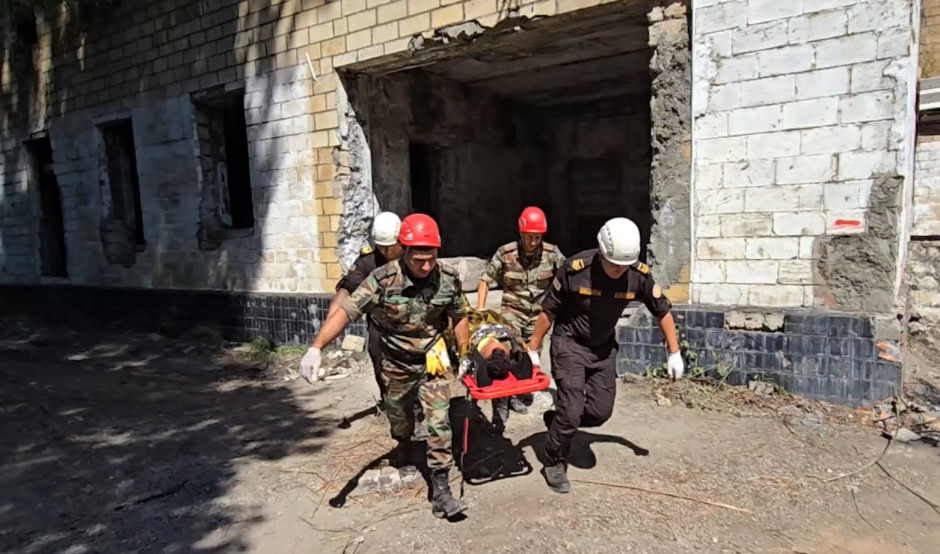
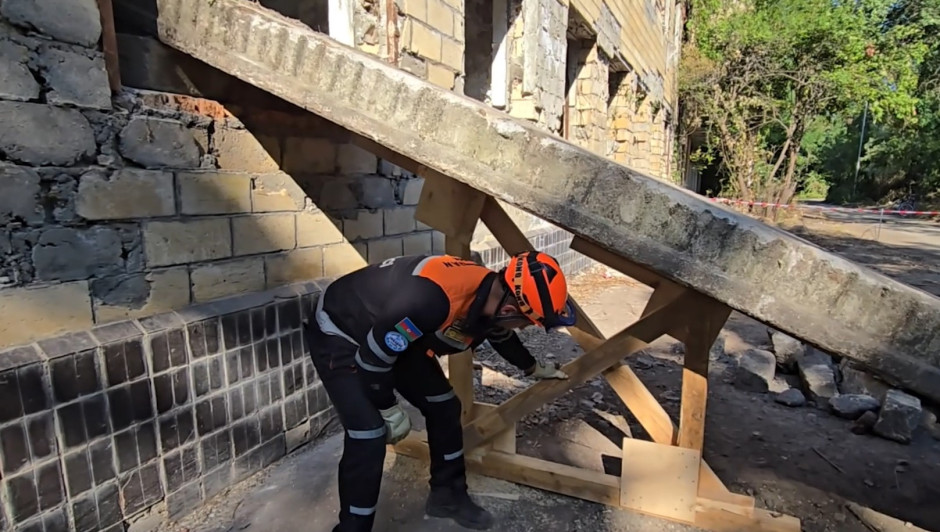
The practical phase of the exercise was carried out based on a scenario of eliminating the consequences of a situation conditionally created due to an “earthquake” in the North-West region. Experts in search and rescue, engineering, and radiation-chemical fields focused on the application of unmanned aerial vehicles, acoustic search devices, radiological and chemical detectors, as well as thermal cameras. Also, during the exercise, tasks such as “rescue from under rubble and from heights and providing first aid to the injured” were performed with high professionalism by the rescue teams using modern equipment.
The goals set during the tactical-special exercise were achieved. At the conclusion of the exercise, the execution process of the theoretical and practical stages was discussed in detail with the participation of the personnel.