
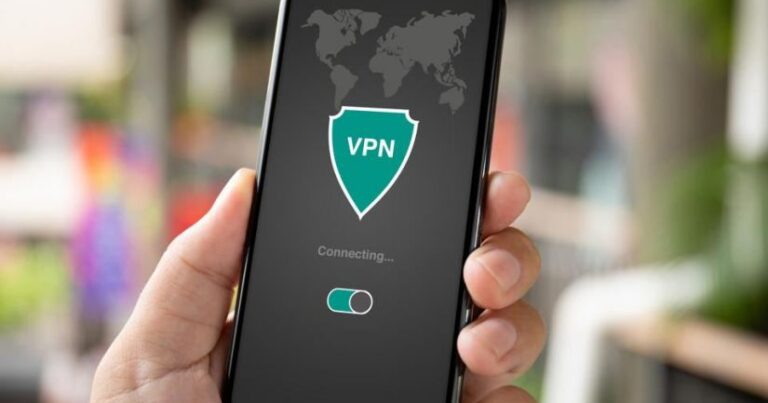
Recently, VPNs (Virtual Private Network) are used to encrypt internet connections and hide IP addresses. This raises the question of whether there is a danger for VPN users.
elchi reports that in an interview with Pravda.az on the topic, Farid Musayev, an expert at the Azerbaijan Cybersecurity Organizations Association Public Union and head of the IT department at Khazar University, stated that whether using a VPN is dangerous depends on the type and purpose of the VPN used:
He noted that corporate/state VPNs: if we are talking about encrypted tunnels used by state institutions for secure access to their internal networks, this is part of security: “However, if the infrastructure is under attack, VPN access points can also be targeted.
Public/Free VPNs: If users use unofficial or free VPNs to access the internet during a cyberattack, the level of danger is very high. This is because many of these types of VPNs can be used as a tool to collect user data (data logging), use it for ad targeting, or even transmit malware. The impact of a cyberattack. If the attack targets the infrastructure (e.g., DNS servers or internet providers), traffic within the VPN tunnel can be “interrupted” or “redirected” before reaching the internal network.”
F. Musayev also mentioned the risk of data transmission: “Yes, this risk exists in certain cases. The risks can be divided into two main groups: Considering Man-in-the-Middle (MitM) attacks, network traffic routing can be manipulated during infrastructure-targeted attacks. In this case, the attacker can “listen” to the connection between your device and the target server (e.g., a government portal). If the protocol used (HTTPS/TLS) is weak or the encryption is broken, it is possible to intercept data (passwords, personal information). Data leakage is possible; if the cyberattack is only intended to stop the website’s operation (DDoS), it means “unavailability” rather than data theft. However, if the purpose of the attack is to infiltrate databases, then the risk is not data transmission, but rather theft from where it is stored.”
The expert stated that unofficial VPNs should be avoided, and suspicious, free, or VPN services whose administrators are unknown should not be used: “Pay attention to the HTTPS protocol; always ensure that the website address starts with “https://” and that there is a “lock” icon in the browser. This indicates the presence of encryption. Postpone sensitive operations; minimize operations requiring financial or personal information during times when the infrastructure is unstable and attacks are ongoing on government portals or banking transactions. Enable multi-factor authentication; use two-factor authentication on all your official accounts (e-government, bank, etc.). This provides a second layer of defense even if your password is compromised. As a result, the high-quality defense of state institutions’ systems is a positive factor, but it does not mean “attacks have completely stopped.” Users should consider the possibility of internet traffic manipulation during cyberattack periods and approach digital hygiene rules more seriously.”