A 28-year-old laboratory employee working at an institute that studies plague and dangerous pathogens in Russia has died from pneumonia of unknown origin. Following this incident at the Irkutsk Plague Research Institute in Siberia, several people have been quarantined.
elchi reports that although Russia’s infectious disease control agency, “Rospotrebnadzor,” has downplayed the possibility of a link between the researcher’s death and her work, the incident has raised questions about pneumonic plague.
The U.S. Department of State and the Centers for Disease Control and Prevention (CDC) have announced they are closely monitoring the situation. The World Health Organization (WHO) has also stated it is in contact with Russian health authorities to clarify the details of the incident, the tests conducted, and the potential implications for global public health. A WHO spokesperson noted that based on available unofficial information, the public health risk to the population appears low.
What is pneumonic plague?
Pneumonic plague is a rare and deadly lung infection caused by the bacterium *Yersinia pestis*. Scientists consider pneumonic plague to be the most dangerous form of this infection. There are other forms of plague caused by *Yersinia pestis* that affect different parts of the body.
Bubonic plague, the most common form, is usually caused by a flea bite or when the bacteria enter the body through a cut in the skin. The infection causes swollen and painful lymph nodes and can progress to septicemic plague. Septicemic plague, which spreads to the bloodstream, can lead to organ failure and can also result directly from a flea bite. Pharyngeal plague, on the other hand, affects the throat after ingesting infected tissue.
How is pneumonic plague transmitted?
Pneumonic plague is distinguished as the only form of this bacterial infection that can be transmitted directly from person to person. When an infected person coughs or sneezes, the bacteria spread through respiratory droplets. Droplets from infected animals can also transmit the infection. The last recorded case of human-to-human transmission of pneumonic plague in the United States occurred during an epidemic in Los Angeles in 1924.
What are the symptoms of pneumonic plague?
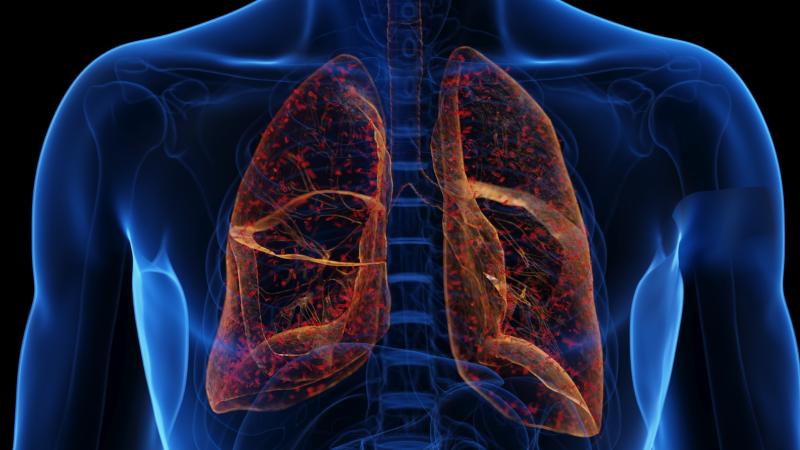
In pneumonic plague, pathogenic particles settle in the lungs, causing severe pneumonia and making breathing difficult.
Symptoms can appear within 24 hours of infection. Other symptoms include high fever, chills, headache, body aches, dizziness, weakness, fatigue, nausea, vomiting, and diarrhea. If left untreated, the disease is almost always fatal.
How is pneumonic plague treated?
Doctors can treat plague with a 10-14 day course of antibiotics. The most commonly used drugs are ciprofloxacin, levofloxacin, moxifloxacin, gentamicin, and streptomycin.
Patients who receive antibiotics within the first 24 hours of infection have a higher chance of survival. Doctors may also provide supportive measures such as oxygen supply, fluid intake, and rest.
Şayəstə
What is pneumonic plague and how dangerous is it?