
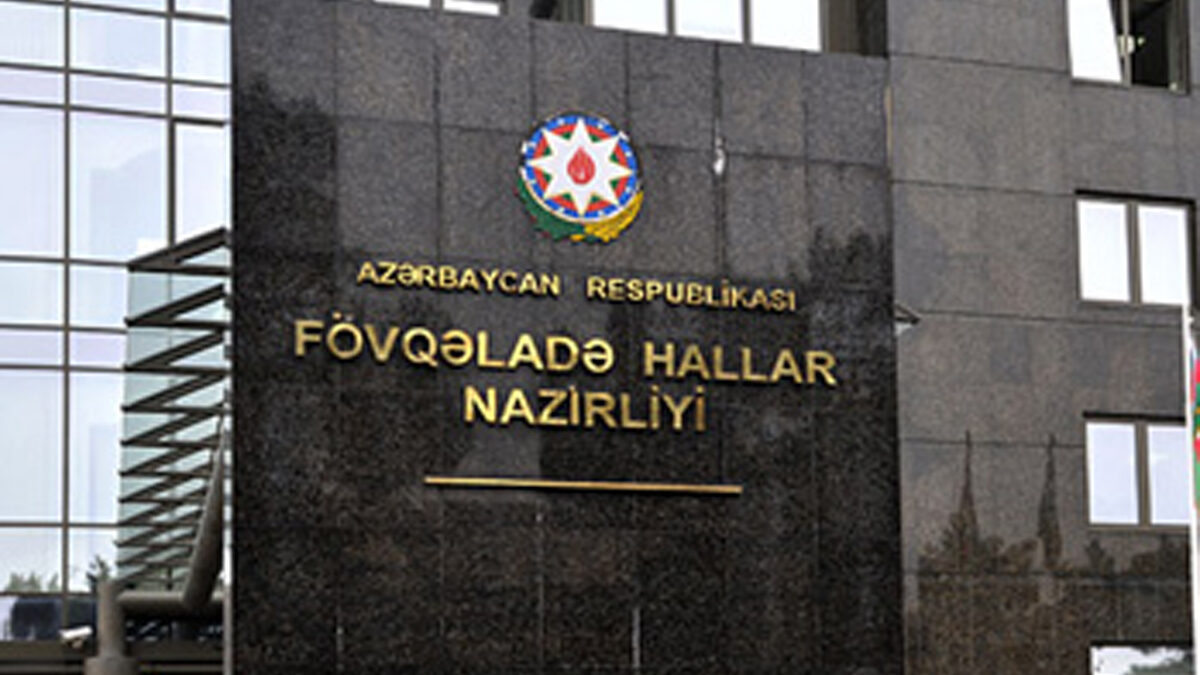
The Ministry of Emergency Situations has appealed to the public regarding fire safety in connection with the grain harvesting season.
elchi reports, citing the Press Service of the MES, that the appeal emphasizes the importance of grain harvesting for ensuring the food supply of the population.
It is noted that, in this regard, protecting grain fields, which are highly flammable, from fire hazards is one of the essential conditions for ensuring food security in our country.
Taking into account that the harvesting season coincides with the hot and dry period of the year, the ministry appeals to the public, including farm owners and persons participating in grain harvesting, stating the importance of strictly observing fire safety rules, and has once again reminded of the simple and necessary rules related to this:
It is strictly forbidden to light matches, use open fire, or smoke in grain fields, as well as to light bonfires near the fields! Special places must be designated for smoking in these areas;
It is unacceptable to throw unextinguished cigarette butts or matches, materials soaked in flammable liquids, as well as glass containers and glass shards while traveling on the road;
The surroundings of grain fields must be periodically cleared of dry grass and waste;
Machinery participating in harvesting must be equipped with primary fire extinguishing equipment and must undergo a fire-technical inspection before starting the harvest;
It is strictly forbidden to leave machinery in the fields after work, to refuel at night, to allow fuel and oils to spill, or to store additional fuel and lubricants in the machinery;
Field camps, grain cleaning threshing floors, and areas where hay and straw stacks are collected must be equipped with primary fire extinguishing equipment;
A protective strip must be created between cultivated areas and forest areas, highways, and railway lines;
If a fire occurs, work must be stopped immediately, those nearby must be informed, attempts should be made to extinguish the fire with available primary fire extinguishing equipment (fire extinguishers, water, soil, thick fabric material, etc.), and the “112” hotline must be notified.
It was also emphasized that burning the field after harvesting is prohibited, and committing such acts creates administrative liability:
“Remember: indifference to the rules is a danger to our lives!”
The MES recommends calling 112 in case of danger.