
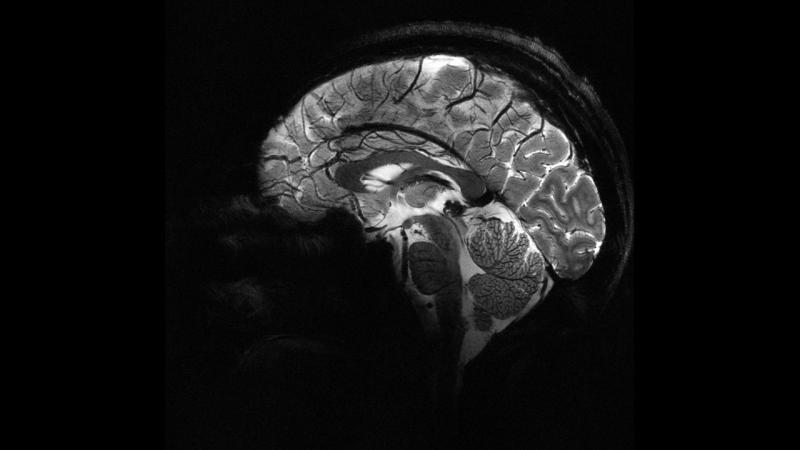
Engineers at Northwestern University have developed printable artificial nerve cells capable of interacting directly with real brain cells and sending live signals. These flexible and inexpensive devices can generate electrical signals compatible with biological neural networks.
elchi reports that in a study published in the journal Nature Nanotechnology, tests conducted on mouse brain tissue in a laboratory setting showed that the artificial nerve cells successfully stimulated real neurons.
This development is considered a critical step in the advancement of neuroprosthetic devices and brain-machine interfaces, particularly those aimed at restoring vision, hearing, or movement.
From silicon-based systems to biological models
While today’s computer processors work by placing billions of identical transistors on a rigid silicon layer, the human brain consists of soft, three-dimensional networks that are constantly changing and forming new connections.
By modeling the brain, which can perform more complex operations with less energy than digital computers, researchers aim to find a solution to the energy consumption problem of traditional hardware.
Şayəstə