
The attitude towards the historical date marking the end of the Second World War changes over time. It is true that fascism had become a great threat to the world. Many of the peoples who opposed it were fighting not for specific territories and states, but for the sake of human security and humanity. The role of the Azerbaijani people in achieving victory is special and undeniable. Both the Azerbaijanis who lost their heroic sons on the battlefields and showed bravery, and those who showed unparalleled examples of labor on the home front, determined the fate of the war.
When the Second World War began, more than 600,000 people from Azerbaijan went to the front. Considering the population of the country at that time, this was a very large figure. Hundreds of thousands of Azerbaijanis fought bravely against fascism on various fronts, and hundreds of thousands did not return. The sons of Azerbaijan wrote a chronicle of heroism in the battles for Moscow, Leningrad, Stalingrad, Kursk, and Berlin.
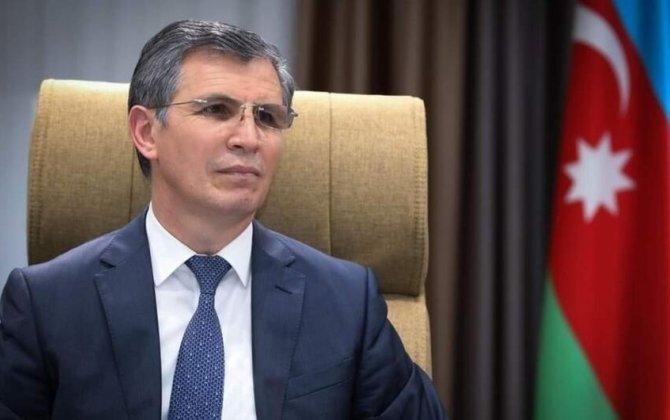
“Elchi” reports that these thoughts were expressed by the Chairman of the Human Rights Committee of the Milli Majlis, Member of Parliament Zahid Oruc in a statement to Moderator.az.
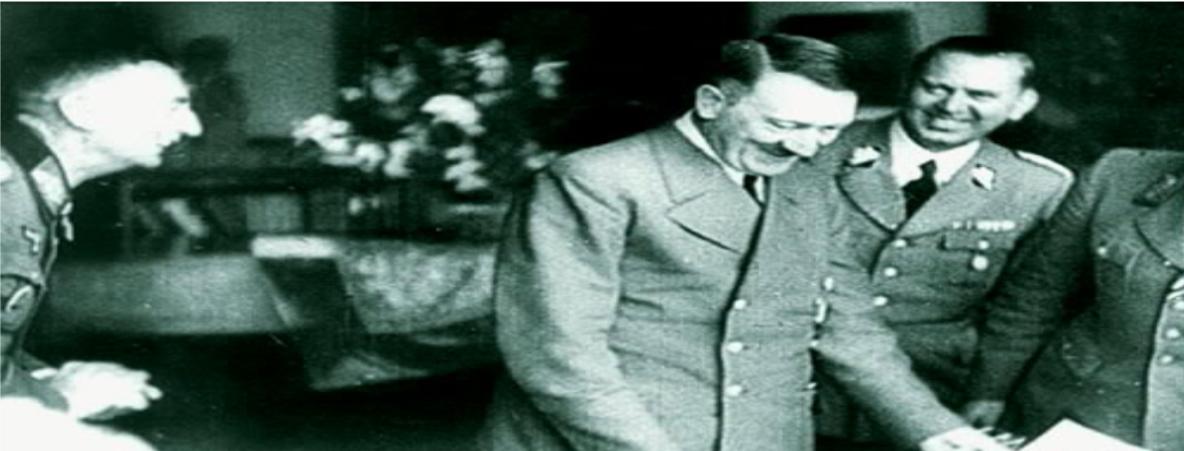
The deputy added that the main weapon of war was oil. For the last two hundred years, the main weapon of war was oil. Because tanks, airplanes, and military equipment could not move without fuel. One of Adolf Hitler’s main strategic goals was to capture Baku…
“In Germany’s ‘Edelweiss’ plan, possessing the Caucasus, especially Baku oil, was set as the main target. The 3rd Reich leadership understood that it was impossible to weaken the Soviet army while Baku oil existed. Although the figures are shown differently in various historical sources, according to generally accepted statistics, Baku accounted for approximately 70-75 percent of the oil used in the USSR during the war years, 80-85 percent of aviation gasoline, and 90-96 percent of motor oils and lubricants were produced in our republic.
Between 1941 and 1945, a total of approximately 75 million tons of oil were produced in Azerbaijan, which was equal to approximately 68-70 percent of the oil produced by the Soviet Union during the war.
Azerbaijani oil workers did not stop production despite the threat of bombing. In those years, Baku was the energy center of the victory over fascism. It is no coincidence that many historians emphasize the idea that ‘if it were not for Baku oil, the result of the war could have been completely different.’
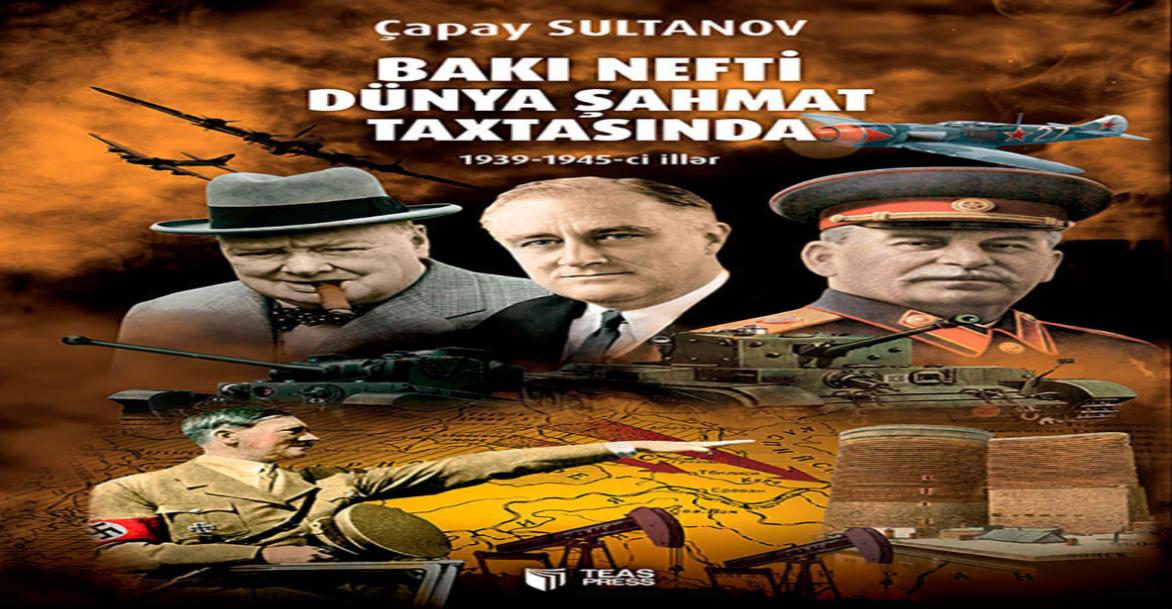
Brilliant writer and researcher Chapay Sultanov emphasizes in his numerous fundamental works that Baku oil stood at the main strategic line of the Second World War. The author notes that the war was fought not only on the fronts but also for economic and energy resources.
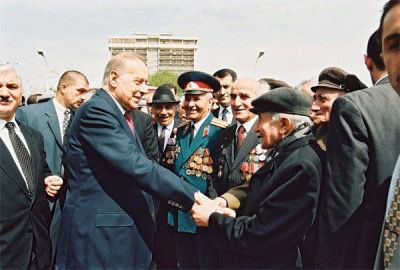
The Great Leader Heydar Aliyev showed a special attitude towards the Great Patriotic War. He stated that the victory over fascism is of great historical importance for the freedom and future of peoples.
President Ilham Aliyev also highly appreciates the heroism of our people in his speeches, shows respect for the glorious page of our history, and gave a fair assessment of the war.
However, the greatest and most glorious Victory in the modern history of Azerbaijan is the 44-day Patriotic War. Because our war of liberation from occupation was a sacred war fought by our people for their independent state and national sovereignty, not just for 20 percent of the lands. While Azerbaijanis fought as part of an empire in the Second World War, in the Patriotic War, the Azerbaijan Army fought only under its own flag, its own state, and its own national will.
The Victory won in 2020 holds the first place in the centuries-old history of our people. The victory became a triumph of the unity, national will, and independent state will of the Azerbaijani people. Although our people remember the heroes of the Second World War with respect, they now call the Patriotic War, which has gained exclusivity and eternity in our political calendar and will become a chronicle of pride even after thousands of years, ‘sacred’, and raises it above all its history and past holidays.
It was impossible to talk about national freedom in the Soviet empire. But the Victory in Khankendi ensured our sovereignty. In the face of Stalin’s idea of an international people and the Red Army, no community could talk about independence. Even the war fought by the sons who signed a treaty with Hitler and fought against the Soviets with him – Abdurrahman bey Fatalibeyli and Dudanginski – was unsuccessful.

In recent years, the attitude towards May 9 is celebrated against the background of different political and ideological approaches in various countries of the world, and it has become the main narrative of geopolitical clashes and a subject of political interpretations. The views of different states regarding the victory are closely related to their historical memory, political interests, and international positions.
In the post-Soviet space, especially in Russia, May 9 has been raised to the level of a symbol of St. George ribbons for new territories, a cultural power weapon rather than military patriotism, and an ideological doctrine. Moscow sees the victory over fascism as a modern geopolitical weapon and a means of expanding its sphere of influence, especially bringing former Soviet peoples back under a single umbrella. Attempts to write the victory in the name of only one nation or state have become more visible in recent years. However, the Second World War was won through the joint sacrifice of different peoples. 1941-1945 was the war of all USSR peoples, not just Russia, the USA, and the anti-Hitler coalition.
On the other hand, a sharper approach has formed in some Eastern European countries – total denial and the position of considering the Soviets themselves as occupiers. Poland, the Baltic countries, and some Eastern European states evaluate the Soviet army’s liberation of Europe from fascism, as well as those countries falling under communist influence in the subsequent period, as a historical tragedy. Therefore, the attitude towards the symbols of the Soviet era and May 9 ceremonies is more harsh and accusatory compared to previous years.
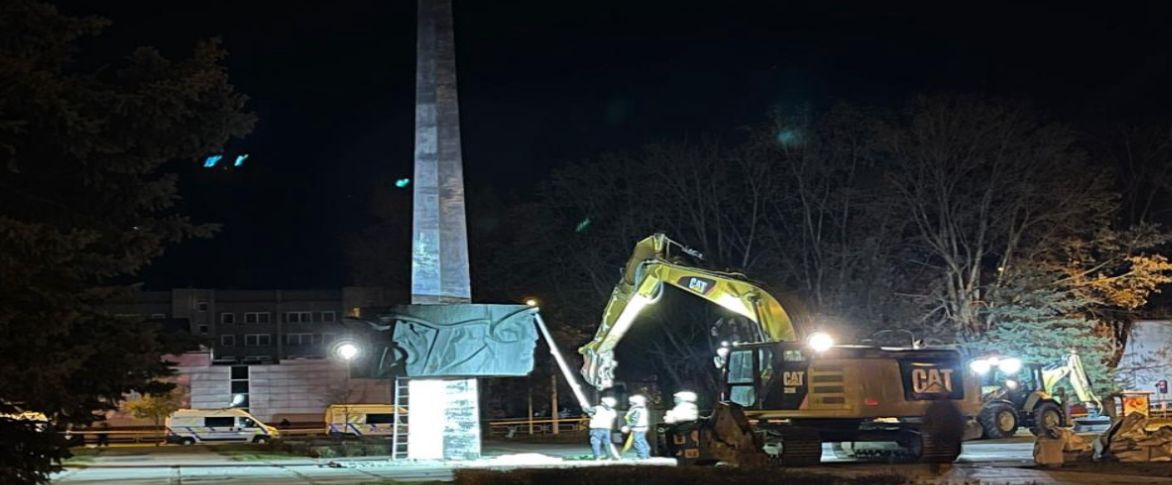
Two different lines have already emerged in the world. On one hand, there are those who accept the victory over fascism as the salvation of humanity, and the other side evaluates the activities of the Soviet army only from the aspect of occupation. Some circles even call the Soviet people themselves ‘occupiers’. The rewriting of history for political purposes and the true essence of the war have changed.
The policy of ‘claiming the victory for oneself’ has been the main platform of ruthless ideological competition between the USA, Russia, and European states even after the Cold War, and the process continues now.
Azerbaijan’s position stands high both historically and politically. Although our people showed great heroism in the Second World War, they were not an independent state at that time; they were involved in the war as part of the Soviet empire. The sons of Azerbaijan fought under a different flag and within a different political system. The participation in the Second World War due to the independence lost in the 20s of the last century does not diminish the heroism of Azerbaijanis, but politically, that war was not a national state war.
The 44-day Patriotic War in modern Azerbaijani history carries a completely different meaning. The sacred war we started 6 years ago on September 27 was a national liberation struggle fought for the sovereignty of an independent state, not within an empire. For the first time, the Azerbaijani people were waging a war only under their own flag, with their own army, and with their own political will, and they won a brilliant Victory.
The difference carries an extremely important historical and moral meaning. Because the Patriotic War became the greatest embodiment of the national statehood ideal that our people have dreamed of for hundreds of years. Ending the occupation that lasted for nearly 30 years solely through the strength of our nation – that is, not by the hands of other states or armies, but by the will of all peoples living in our homeland – holds an exceptional place in modern world history and is a unique event in the 21st century. Therefore, our state pursues a precise ideological course regarding its history – our Patriotic War is a 44-day sacred war. Ilham Aliyev’s Supreme Command and leadership is higher for us than not only Stalin’s or Churchill’s, but also all current war leaders. There is no winner in the Russia-Ukraine war that has been going on for 4 years, as well as what is happening in the Middle East and the global tension around Iran. The President of Azerbaijan achieved the maximum result in the shortest time with the least losses. The geographical radius of the war and the method of its conduct have become a textbook for wars fought with the latest technologies of the 21st century.
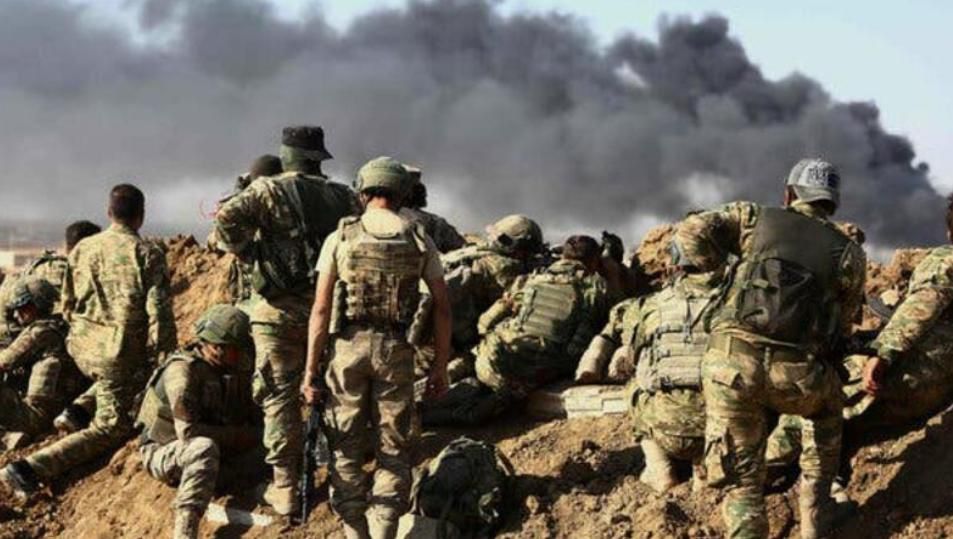
The fact that November 8 is held higher than May 9 or other days of our history, stands in front, and is raised higher than the periods of khanates, tsarism, and the Soviets is related to the transformation of the war for Karabakh into a national liberation war.
However, the importance of our Victory has not only national but also international and political essence. Because Azerbaijan liberated its territories recognized by international law from occupation and ensured the implementation of UN resolutions with its own strength. Azerbaijan’s Victory is the victory of all peoples in the world who want justice.
Now our state is turning the Victory into the salvation of the entire Caucasus and a peace agenda. After the Second World War, an Iron Curtain was drawn and the Berlin Wall was built.
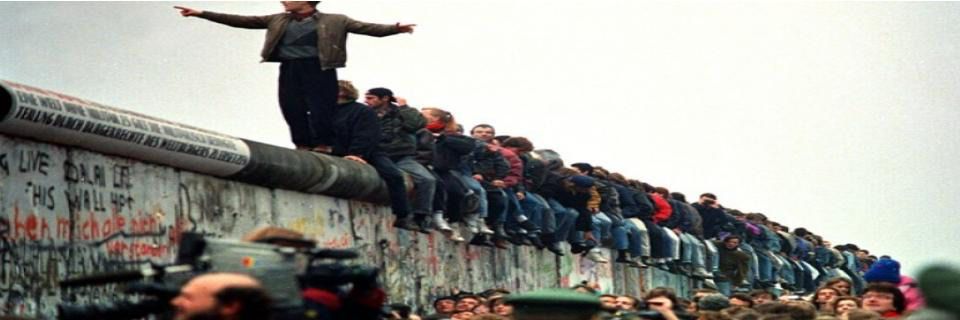
Azerbaijan is tearing down the walls of centuries-old enmity, uniting all the peoples of the region, who were turned into weapons in the hands of empires, under the flag of peace, and proposes to start a new world order in a larger geography from the Karabakh Victory. Therefore, not only the war, but also the new security architecture and our Victory, whose legitimacy is recognized in the White House for the first time in our national history, have become a world asset. Therefore, not only the former Soviet, or Turkish and Islamic world, but also all the peoples of the world can celebrate November 8 with solemnity.
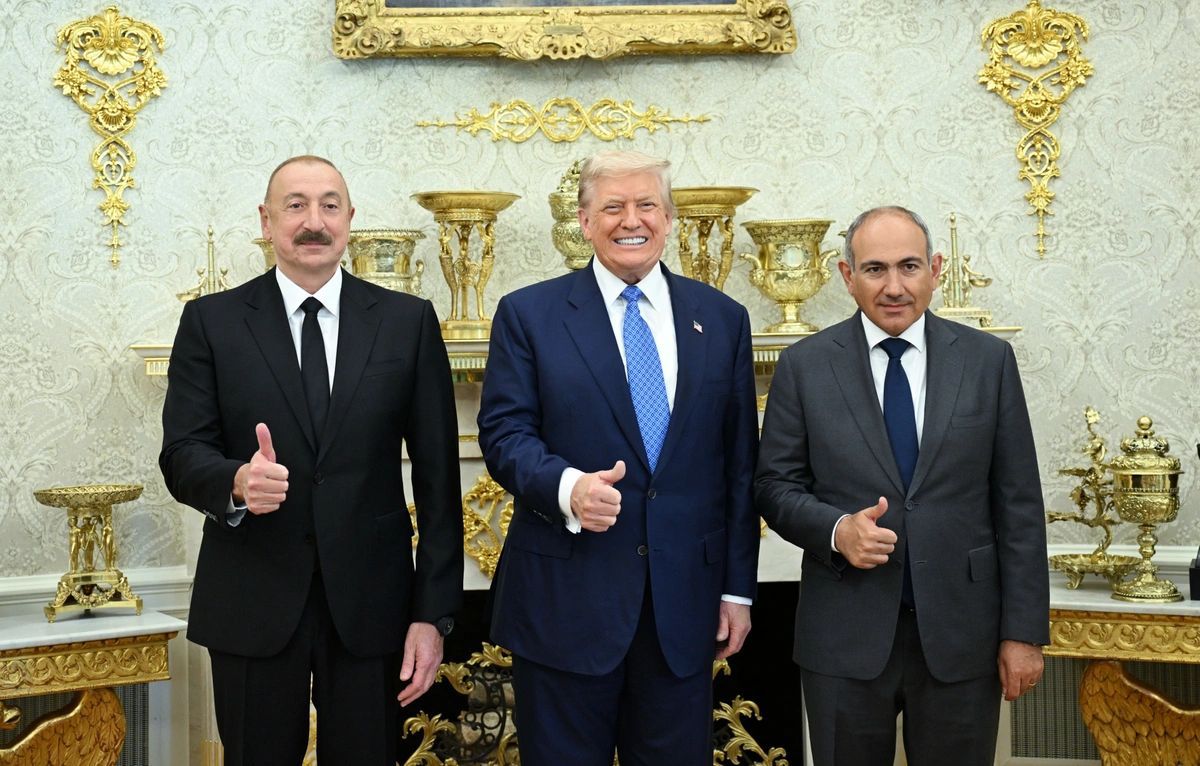
Yes, in many former Soviet republics, the demolition of monuments related to the Second World War, the erasure of the memory of Soviet soldiers, and a completely denialist attitude towards all symbols of that period are demonstrated and promoted. In the Baltic countries and some Eastern European states, the destruction of memorial complexes related to the Soviet era has become the state’s political line. Those peoples accept the Soviet government not as freedom, but as a totalitarian structure.
The Azerbaijani people show a different and more balanced attitude towards history. We do not deny the heroism of the people who participated in the victory over fascism. Our people treat the memory of those who died in the war with respect, do not destroy their monuments, and do not turn historical memory into a subject of political revenge or ideological clash with Russia.
However, our nation does not forget its historical truths either. Because the Soviet era did not consist only of ‘victories’. During those years, serious political injustices and historical crimes were also committed against our people. The fate of Azerbaijani lands was changed without considering the will of the people, the city of Iravan was turned into the capital of Armenia, and Karabakh was given an autonomy status that laid the foundation for future conflicts. In the following decades, the decisions became the ideological basis for ethnic conflicts and territorial claims in the region.
Only the period of the Great Leader Heydar Aliyev’s leadership of Soviet Azerbaijan was rich in brilliant development in all spheres of national life, despite ideological formation differences. Not only the factories and plants opened, but also the creation of the cultural and scientific elite, and all the attributes of the republican structure formed the foundations of the future independent state. Our people understand well that despite showing great heroism in the Second World War, they did not have national freedom at that time and lived within an empire. Only exceptional historical figures, despite any totalitarian frameworks and restrictions, brought the nation they represented to great development.
Therefore, the meaning of the Victory won in 2020 is greater and unique for Azerbaijan. For the first time in the 44-day Patriotic War, Azerbaijan was not part of any empire or a prisoner of foreign ideology; our glorious army was fighting for our own lands only under our tricolor flag.
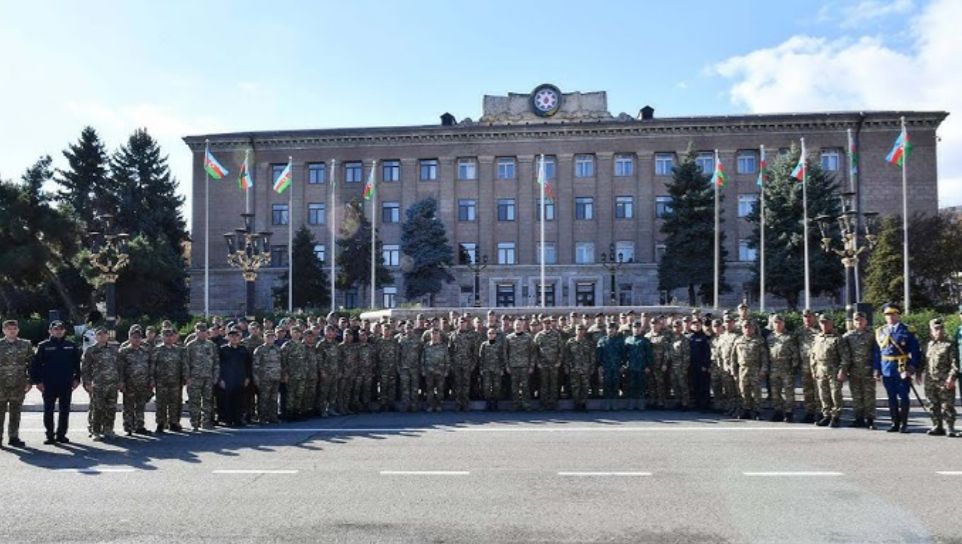
One of the most important results of the Victory, along with the liberation of the lands, was that it seriously shook the ‘historical land’ claims that Armenia had been trying to create in the region for two centuries.
The gradual and voluntary departure of the Armenian population living in the Karabakh region after the Patriotic War eliminated the social, demographic, and ethnic-national basis of separatism, and the Armenian issue was removed from our geography once and for all.
The political mine used for centuries against Azerbaijan’s territorial integrity and national statehood failed.
The reasons that make our Victory in the Patriotic War exceptional and unique, and give it primacy, are not due to governments or political powers, but are connected to a unified national will.”