
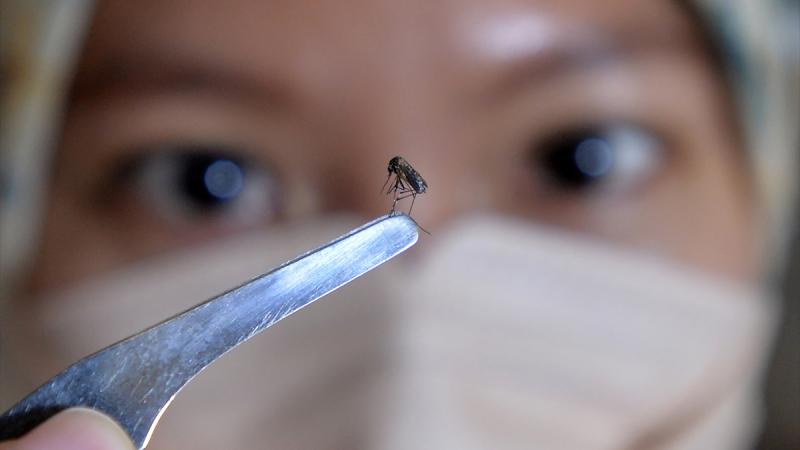
Technology company Google has requested permission from the US government to release a total of 32 million sterilized male mosquitoes in the states of California and Florida to reduce the number of disease-carrying mosquitoes.
“Elchi” reports that Google’s move to release 32 million mosquitoes to fight malaria and similar diseases in the US.
Technology company Google has requested permission from the US government to release a total of 32 million sterilized male mosquitoes in the states of California and Florida to reduce the number of disease-carrying mosquitoes.
The company aims to reduce the number of disease-carrying mosquitoes by using its technological expertise within the framework of the successful “Debug” program.
Known as the world’s deadliest creatures, mosquitoes cause the deaths of many people every year by spreading deadly diseases such as dengue fever, West Nile virus, Zika, chikungunya, and malaria. US Environmental Protection Agency (EPA) records show that Google is considering a request to release up to 16 million mosquitoes per year in California and Florida over two years. The EPA will make its decision on the permit for experimental use after a public consultation process that will end on June 5. Male mosquitoes do not bite humans and do not carry diseases. The method tested by Google involves breeding male mosquitoes in the laboratory with a bacterium called “wolbachia,” which is naturally found in the wild. This bacterium prevents male mosquitoes from reproducing with female mosquitoes in the wild. When a male mosquito with the bacterium mates with a female, the eggs do not hatch, and the mosquito population decreases with each generation. The program started as a “Moonshot” project within Verily, Alphabet’s health and artificial intelligence company. Verily announced that it fully acquired Google’s Debug project in December 2024.
Şayəstə