
The consequences of climate change are exacerbating the problem of housing security and forced displacement of the population, having a severe impact especially on communities facing social, economic, and environmental instability.
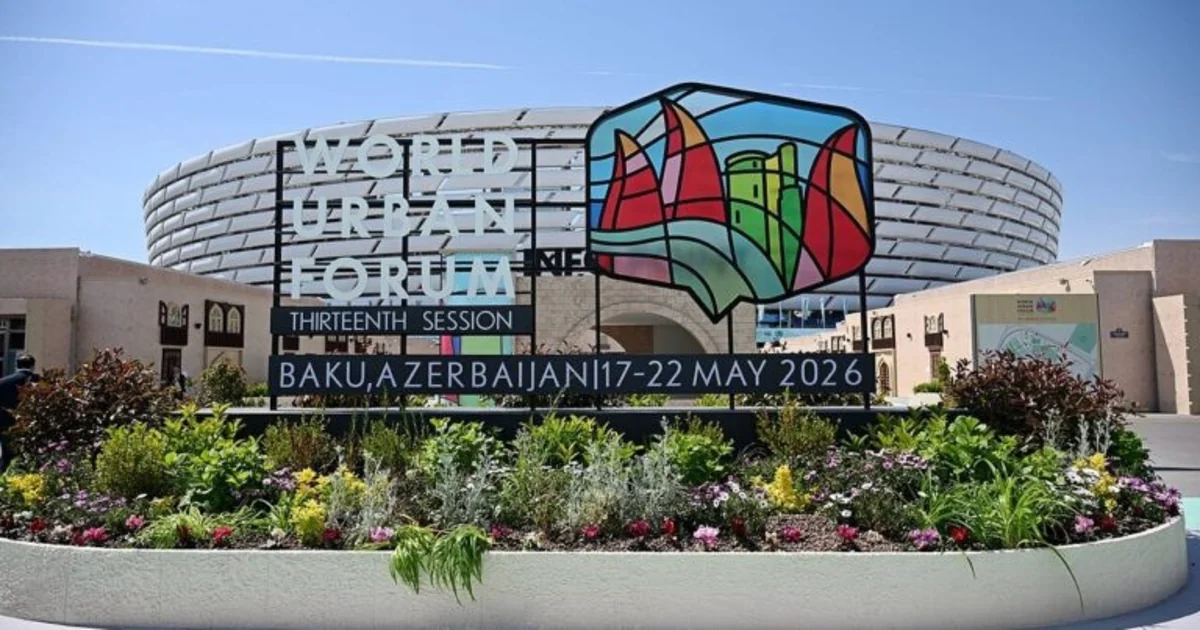
elchi reports that this is stated in the “Baku Call to Action” adopted following the 13th session of the World Urban Forum (WUF13).
The document notes that recurring floods, droughts, loss of biodiversity, environmental pollution, extreme heat, and deteriorating air quality have a devastating impact on public health, ecosystems, livelihoods, and overall quality of life.
The authors of the call emphasized that climate change negatively affects the habitability of territories and increases pressure on housing systems in cities and regions alike.
In this regard, the document calls for the creation of housing systems that can strengthen climate resilience, protect biodiversity, and reduce negative environmental impacts.
According to the text of the call, this is proposed to be achieved through nature-based solutions, local community initiatives, and context-specific approaches, supported by environmentally responsible urban development and planning based on the principles of climate justice.
The document also includes a call for national and local authorities to strengthen localized, grassroots, and traditional practices implemented by communities themselves, alongside their activities in the areas of sustainable infrastructure, renewable energy, essential services, disaster preparedness and prevention, employment provision, and support for social cohesion.