
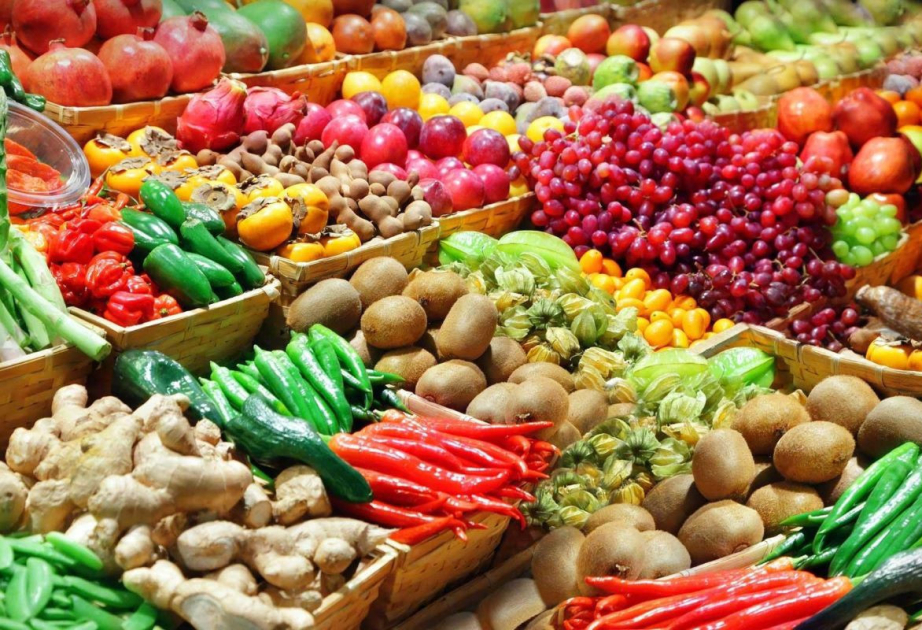
The peels, stems, and seeds of fruits and vegetables are often discarded as household waste. However, new scientific research has shown that these parts possess more nutritional value than we think and their inclusion in the daily diet can positively impact both human health and the environment. A study conducted by scientists at King’s College London and published in the “International Journal of Food Science and Nutrition” investigated 12 types of fruits and vegetables widely consumed in the UK. The results indicated that the commonly discarded parts of 10 out of the 12 products contain more dietary fiber compared to their main edible portions.
elchi reports that during the study, the peels, seeds, and stems of products such as watermelon, pumpkin, pineapple, broccoli, kiwi, and bell pepper were analyzed. It was found that 100 grams of watermelon peel contain 2.10 grams of fiber, while pumpkin peel and seeds contain 9.25 grams of fiber. Specifically, the fiber content in pineapple peel and core was determined to be 453.7 percent higher than in the main part of the fruit.
Scientists state that these findings are significant for reducing food waste and increasing daily fiber intake.
According to Rachel Gibson, a researcher from the Department of Nutritional Sciences at King’s College London and one of the study’s authors, people discard parts of fruits and vegetables that constitute 25-48 percent of their total weight. However, these components can be an important source of dietary fiber.
Dietary fiber plays a crucial role in maintaining digestive health and reducing the risk of type 2 diabetes and cardiovascular diseases. Nevertheless, researchers report that only 4 percent of the adult population in the UK meets the daily recommended minimum intake of 30 grams of fiber. The scale of the problem is evident from the approximately 10 million tons of food waste generated annually in the country, with fruits and vegetables accounting for 36 percent of this waste.
As part of the research, scientists also tested a special menu at King’s College London. Preliminary discussions involving 40 university staff and students explored people’s attitudes towards consuming the commonly discarded parts of fruits and vegetables. Concerns were identified among participants regarding the digestive effects of these foods, their safety of use, and conflicting information on social media.
Researchers believe that food producers and catering establishments should also be involved in this process to promote the widespread adoption of this practice. For instance, using broccoli stems in dishes, keeping kiwi peels, and adding vegetable seeds to various meals can help increase nutritional value and reduce waste.
However, scientists emphasize that the study has certain limitations. Only 12 product types were investigated, and fiber content was measured in their raw state. The impact of cooking methods on nutritional composition and digestion needs to be studied separately.
Experts note that to utilize the discarded parts of fruits and vegetables more effectively, their nutritional value, as well as safe preparation methods, must be considered. This approach, with small daily changes, can contribute to both healthy eating and the prevention of food waste.