
A pragmatic look at Anar Mammadov’s political activity
A deputy mandate is not earned to build roads, create jobs, or exercise the powers of the executive branch. Its main duty is to participate in legislative activities, represent the interests of constituents in parliament, and bring issues of importance to society to the agenda. It is for this reason that the assessment of a deputy’s performance is measured by the positions and initiatives they put forward in parliament.
This issue is at the center of the discussions forming around the activities of Milli Majlis member Anar Mammadov. Despite holding a deputy mandate for a long time, the idea that his parliamentary activity has left a significant mark on public memory is not widespread. Questions are often rightly raised by voters. One wonders, what important legislative initiatives has Anar muallim authored, what social problem has he consistently fought to solve, and what principled speech has he made to attract the attention of voters?
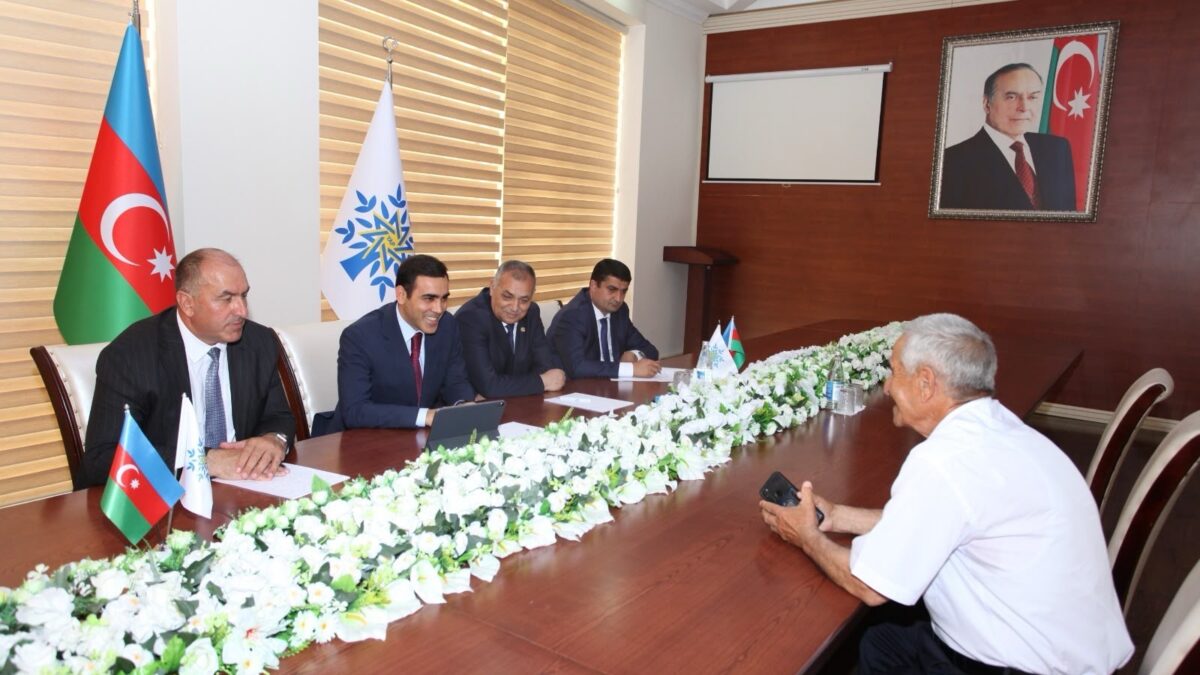
His meetings with voters also cause various discussions. The information and photos released from these meetings create more of an impression of a report presented to the public. Citizens, however, want to see more than just photos and protocol-style news; they want to see that their problems are being heard, raised, and that a real position is being demonstrated on their behalf.
Deputyship is a public trust before it is a status. When this trust weakens, the mandate itself becomes a subject of discussion. This is the main reason for the criticisms voiced today regarding Anar Mammadov. What Anar muallim is remembered for in parliament is a matter of debate.
The honorable member of parliament’s attempts to convince society with lavish reports sometimes seem unserious. The voter wants to see the results of Anar muallim’s activities rather than just the image of them. However, the emerging picture shows that the lack of consistent initiatives in parliament, insensitivity to voters’ problems, and the failure to display a clear position on public issues create distrust.
To bridge this gap, taking photos with three or four voters or sharing visits to martyrs’ families as official information is not enough. Because websites, articles, and photos did not vote for Anar muallim; he is represented in the high tribune by the votes of the electorate. Attempts to shape public opinion with photos and meetings cannot replace real activity.
Anar Mammadov was not elected as a deputy as an independent or opposition party candidate. He represents the New Azerbaijan Party (YAP) in parliament, which is the largest political organization in the South Caucasus and has played an important role in the public life of our country. Winning a mandate as a representative of such a political force creates a high level of public responsibility. This responsibility entails the requirement of consistency in parliamentary activity, displaying a position in line with voters’ expectations, and confirming the representative function with real results. But it is regrettable to note that in some cases, this responsibility is remembered only during the election period. Intensive communication with voters for one month as a candidate, followed by an approach that creates the impression of weakened responsibility as a deputy in subsequent years, causes dissatisfaction in public discussions and casts a shadow over deputy-voter relations.
When the activity shown during the one-month candidacy period does not have a continuous character in the following years, this results in justified concern and a weakening of trust among voters. Especially for those representing a powerful political force like the YAP—the party of Salvation and Victory, which has played an important role in the country’s political history and holds great prestige—this issue requires even higher attention and responsibility. Being attentive and responsible requires that voter trust is not limited only to the election period, but is continuously confirmed throughout the entire duration of the mandate.
“Aktual”ın analitik qrupu