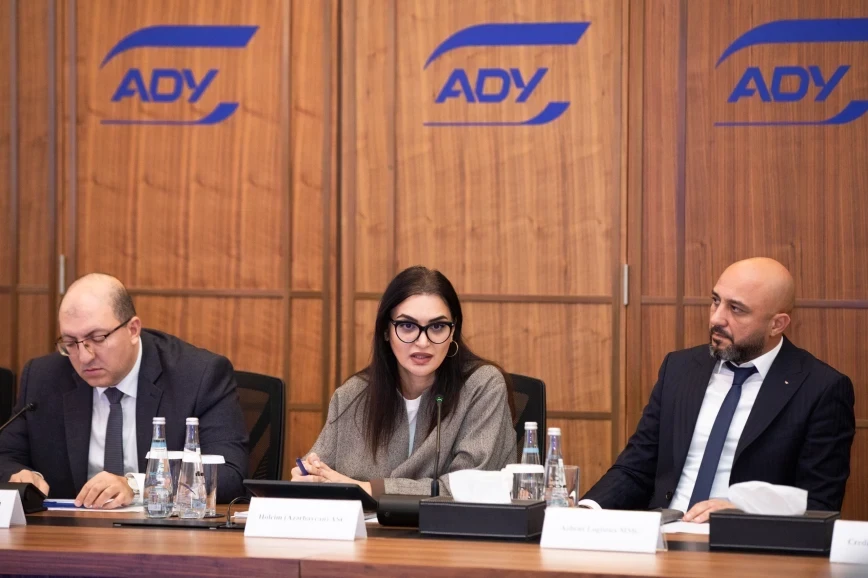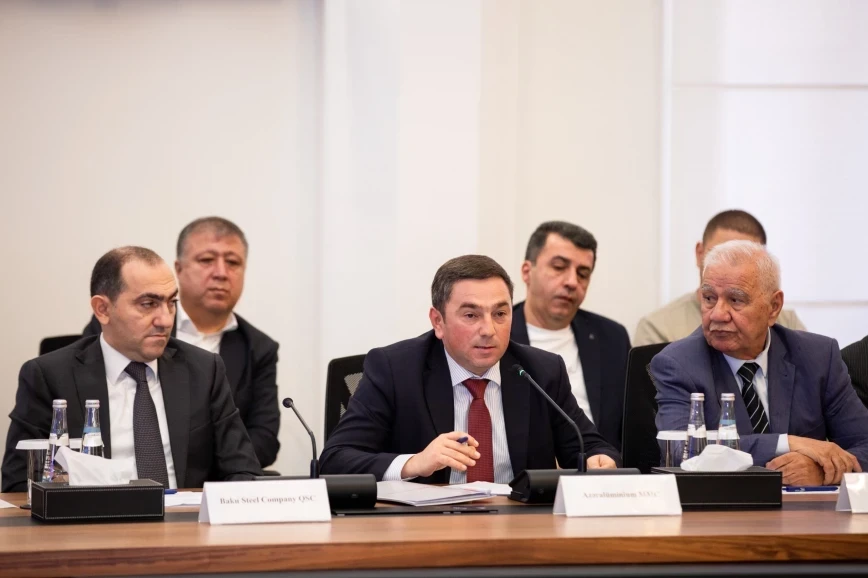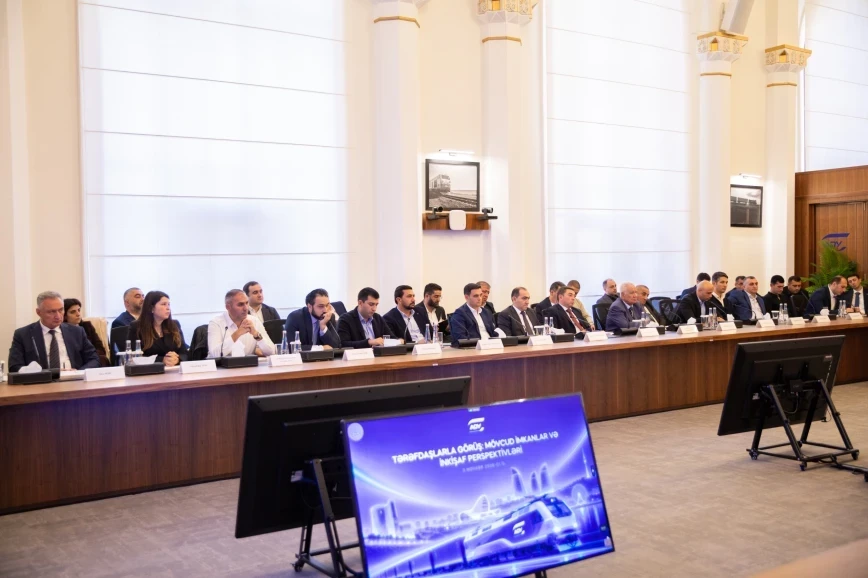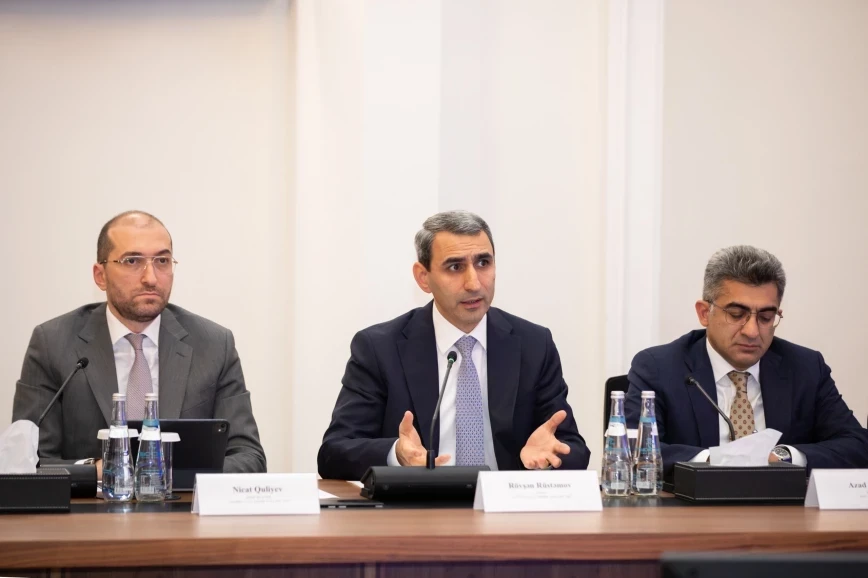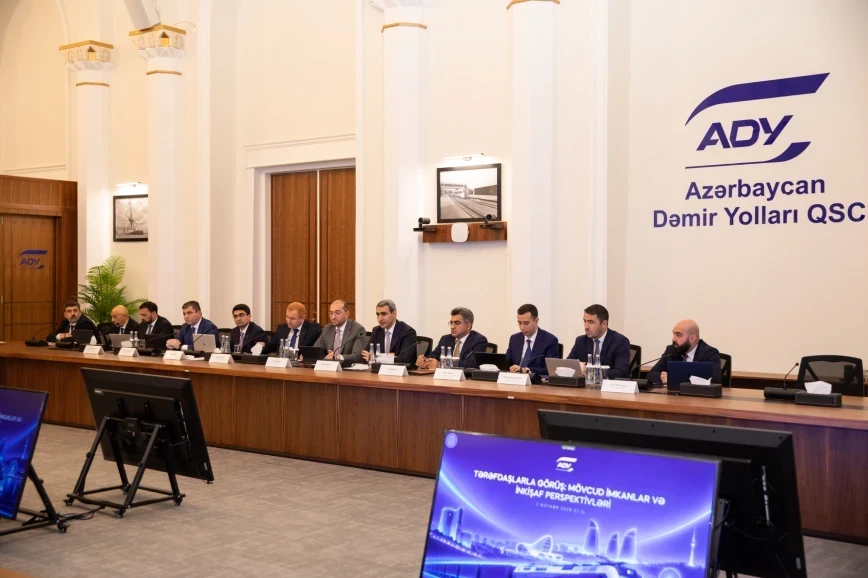
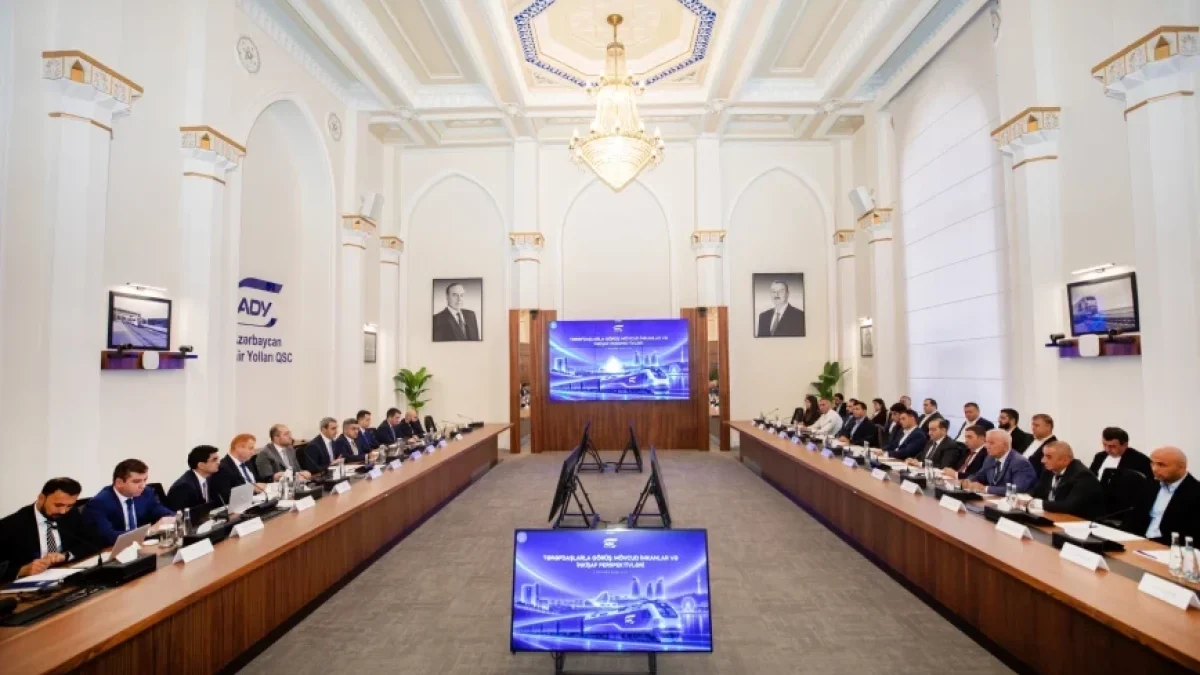
A meeting was held between the management of Azerbaijan Railways and representatives of companies that have a significant share in the country’s freight transport and closely cooperate with ADY.
According to the information provided to elchi by ADY, the main purpose of the meeting was to inform business partners about the work done and results achieved by ADY in the field of freight transport, listen to their proposals, determine joint approaches, and discuss prospects.
The Chairman of ADY highly appreciated the role of consignors in the development of the country’s economy and transport-logistics sector. It was stated that customer orientation, openness, and transparency are among the core principles of ADY’s activities.
Recalling that individual meetings had previously been held with cargo owners, the Chairman of ADY noted that holding the first meeting in this format with major consignors in terms of transport volumes demonstrates Azerbaijan Railways’ openness and accessibility to its customers, as well as the importance it attaches to the development of cooperation based on mutual trust.
During the meeting, participants were informed about the projects implemented by ADY to modernize the freight transport infrastructure and the reforms carried out in the field of freight transport. It was noted that the reconstruction of the Sumgayit–Yalama railway line has been completed, and in the next stage, work on converting this line to alternating current will begin. It was also reported that construction work at the Astara Terminal has been completed, and the renewal of power supply, communication, and signaling systems on the Baku–Boyuk Kesik line, as well as the major overhaul of the Alat–Osmanli–Astara line, are ongoing. The speed of trains on the Osmanli–Astara line has already been increased, which allows for the transportation of larger cargo volumes. It was emphasized that following the modernization of the Baku–Tbilisi–Kars railway line, its throughput capacity has increased from 1 million tons to 5 million tons per year.
Work done to renew the rolling stock and expand the locomotive and wagon fleet was also brought to attention. It was reported that 300 new freight wagons were purchased in 2025, and in September 2026, 7 modern AC50 mainline freight locomotives were brought to Azerbaijan from China. Negotiations are underway to purchase an additional 14 locomotives. Work continues for the acquisition of another 250 wagons next year. These measures serve to expand the transport capabilities of the railway network and increase the reliability of services.
Special attention was paid at the event to the institutional and digital transformation measures implemented in the field of freight transport. It was stated that within the framework of the “ADY Express” model, railway, port, and maritime transport services are planned to be provided on the basis of a single-window principle. The “One contract, one manager, and one invoice” approach will allow customers to use various services more easily and operatively, and will create opportunities to coordinate transport processes in a unified manner.
At the same time, information was provided on the work done in the digitalization of freight transport, preparation of electronic invoices, tracking of shipments, and automatic calculation of tariffs. It was noted that currently, 11 electronic services are provided through the portal.ady.az platform, which was created to increase the accessibility of services to customers. Work is ongoing in the next stage to expand the functionality of the customer cabinet. At the same time, it was noted that ADY has launched the “Cargo tracking” (Cargo-tracking.ady.az) platform for cargo owners to track container transportations carried out in the direction of the East-West international transport route in real time, creating an opportunity for cargo owners, consignors, carriers, and other interested parties to obtain operational information about the current status of containers.
The meeting also touched upon issues of tariff policy, discount mechanisms, and increasing the economic efficiency of freight transport. It was stated that when applying tariff discounts, economic factors such as increasing cargo volumes, guaranteed volumes, attracting new cargo flows, competitiveness of alternative routes, and others are taken into account.
In the interactive discussion part of the event, a wide exchange of views took place around the issues raised by consignors. In particular, questions related to the provision of wagons and platforms, cargo delivery times to destinations, organization of operations at stations, and the application of tariffs and fees were answered.
At the end of the meeting, it was stated that direct and open dialogue with partners is a priority, and that such meetings and discussions will be organized on an ongoing basis, with meetings with other consignors to be held as well.