
It has been proposed to consider climatic differences when reducing communal tariffs and setting energy consumption limits in agrarian regions of Azerbaijan.
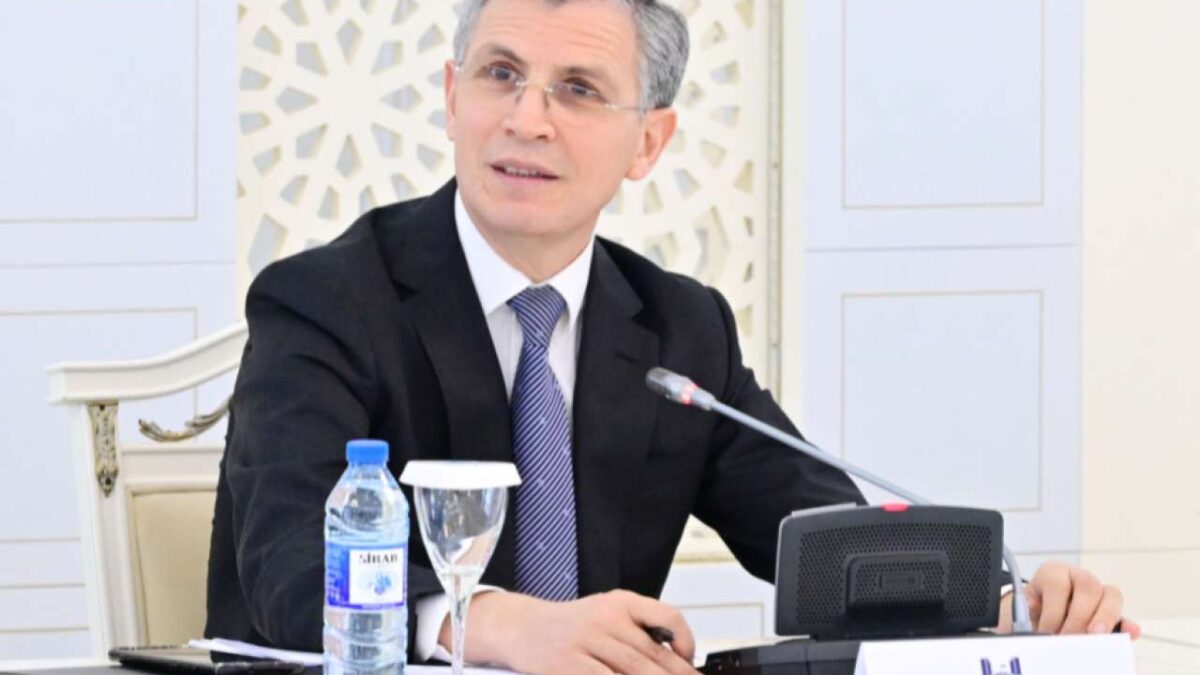
elchi reports that the Chairman of the Human Rights Committee of the Milli Majlis, Zahid Oruj, stated at the plenary session of the parliament that the new draft law “On the Agrarian Sector” should ensure a return to the village.
The deputy noted that there are 4,244 villages in the country. As the population decreases in the regions, the number of students and teachers in schools declines, the necessity of maintaining medical points diminishes, and postal and banking services are considered “unprofitable”.
According to him, the absence of state services leads to the depopulation of villages, internal migration, and an increase in demand for labor and housing in the capital.
Zahid Oruj emphasized that the climatic conditions vary in different regions of Azerbaijan:
“The average annual temperature in Baku and Absheron does not last as long and as severe as the winter season in high mountain and border regions. Measuring the energy needs of households that require heating for seven to eight months in Gusar, Quba, Gadabay, Dashkasan, Lerik, Yardimli, Shahbuz, Kalbajar with the same limit as households in a temperate climate creates social inequality”.
The deputy stated that the current gas tariffs are 12.5 qapiks per cubic meter for the first 1200 cubic meters of annual consumption, 22 qapiks for the portion between 1200–2500 cubic meters, and 30 qapiks for the portion above 2500 cubic meters.
He noted that electricity tariffs are the same across the country, despite climatic differences.
“Therefore, we propose to reduce communal tariffs in agrarian regions,” the committee chairman emphasized.