
Laboratory tests conducted on 40 different rice products in Germany have revealed striking results regarding rice, which forms the basis of many diets. Arsenic was detected in all analyzed products, with only four receiving a good rating. Furthermore, even organically certified rice was not entirely free from contaminants. The inclusion of a brand also sold in Turkey on the test list has drawn attention to the local market.
elchi reports that the study, published by the independent German consumer research organization “Stiftung Warentest,” has once again brought the issue of invisible contaminants in rice to the forefront. In the laboratory, 40 products were analyzed, including basmati, jasmine, brown, short-grain, and processed rice varieties. While arsenic was detected in all of them, cadmium was also identified in most. Only four products received a good rating, while eight products fell into the lowest rating category. The study also highlighted that seven products were significantly contaminated with heavy metals.
Even the “organic” label did not guarantee protection
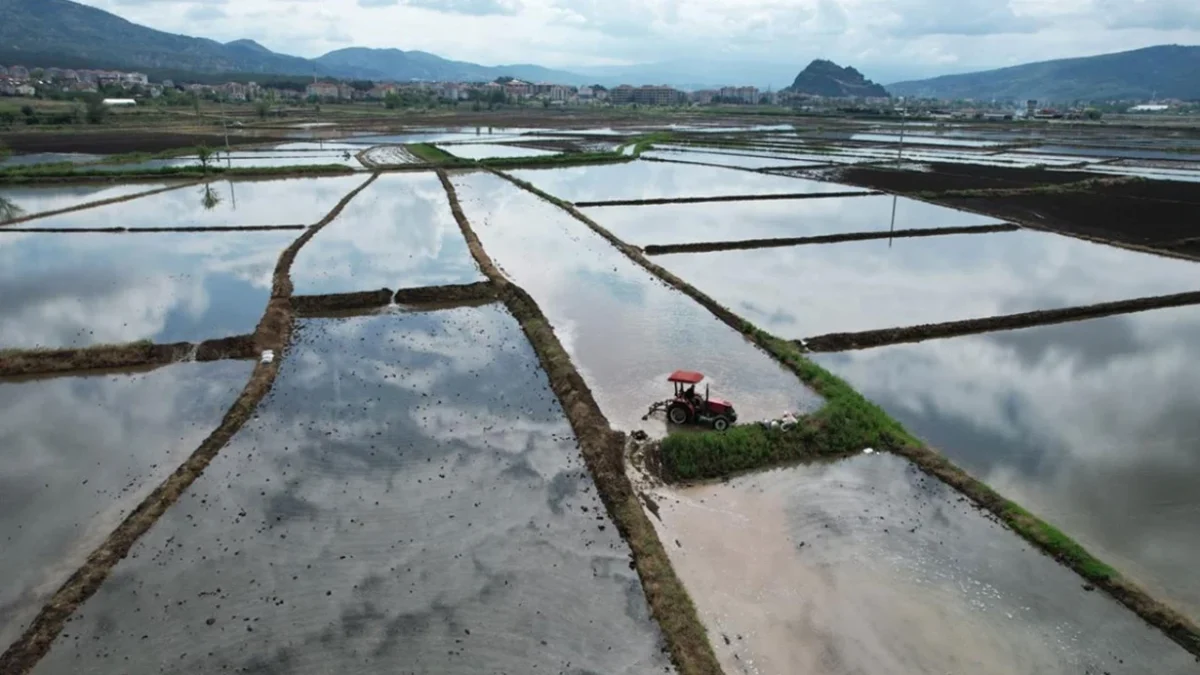
One of the striking results of the test concerned organic products. Of the 40 rice types tested, 13 were organically certified. However, organic production methods could not completely prevent the presence of contaminants like arsenic and cadmium. This is because heavy metals are not solely caused by pesticides; arsenic, naturally present in soil and irrigation water, can be absorbed by the rice plant’s roots and transferred to the grain.
The real danger lies in long-term consumption
In addition to the total amount of arsenic detected in rice, its chemical form is also an important factor. Inorganic arsenic, in particular, is identified as a substance that can increase the risk of cancer with long-term exposure. The European Food Safety Authority (EFSA) emphasized in its 2024 assessment that dietary intake of inorganic arsenic is a public health concern. Cadmium, on the other hand, can accumulate in the body and negatively affect the kidneys and bones with prolonged high-level exposure.
Şayəstə