
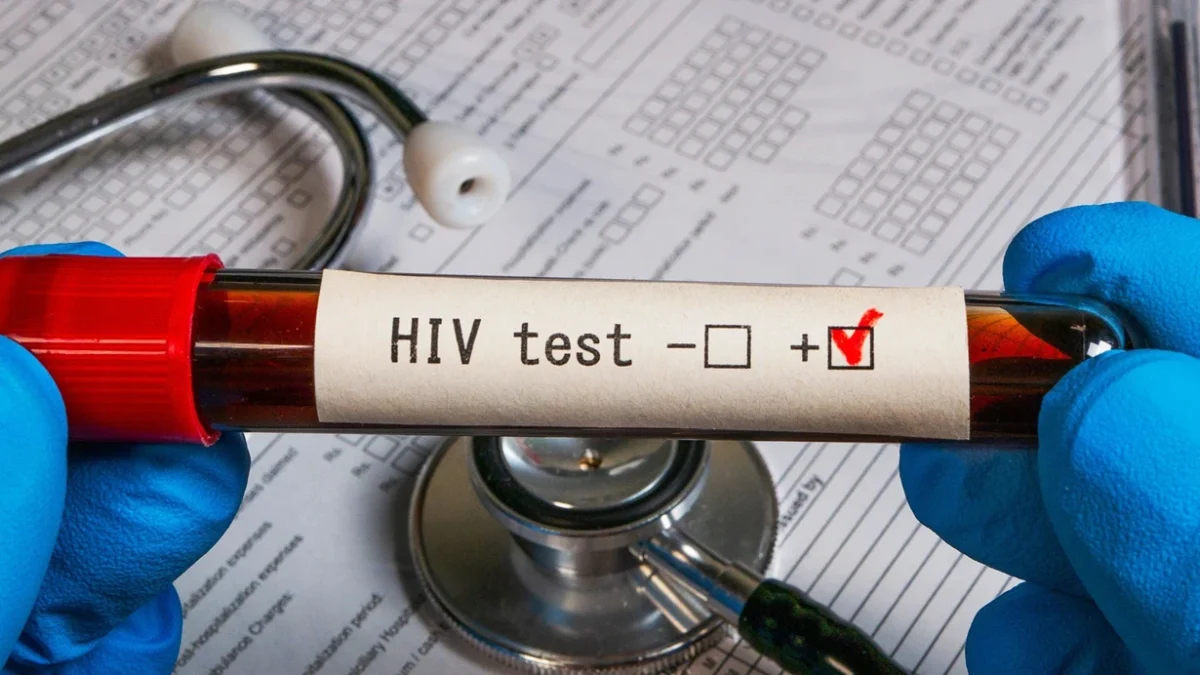
The Pacific island nation of Fiji has been prompted to take action due to the rapid rise in HIV cases. The HIV issue in the country has been declared a “national crisis”; according to UNAIDS data, the number of new infections has increased 12-fold between 2010 and 2025. Officials note that unprotected sexual intercourse and intravenous drug use play a significant role in the spread of the epidemic.
elchi reports that a state of alarm has emerged in Fiji due to the rapid increase in HIV cases in recent years. Fiji’s Minister of Health and Medical Services, Ratu Atonio Lalabalavu, has declared the HIV problem a “national crisis” nationwide and stated that new measures will be implemented to combat the epidemic. The Joint United Nations Programme on HIV/AIDS (UNAIDS) has also supported the government’s decision.
Number of cases has increased 12-fold
According to UNAIDS, Fiji has become one of the countries with the fastest-growing rates of new HIV infections globally. Estimates indicate that new infections have increased 12-fold between 2010 and 2025.
While it is estimated that approximately 9,100 people were living with HIV in the country in 2025, only 39 percent of them were aware of their HIV status. Access to antiretroviral therapy stands at only 22 percent.
Official data from the Fiji Ministry of Health also reveals the scale of the situation. In 2025, 2,016 new HIV diagnoses were recorded in the country. This figure represents a 27 percent increase compared to the 1,583 cases recorded in 2024. The total number of HIV diagnoses recorded between 1989 and 2025 has reached 5,676. The Ministry states that the recent increase is linked to both a rise in infection cases and the expansion of testing and monitoring systems.
Drug use deepens the crisis
One of the main issues specifically highlighted by officials is intravenous drug use.
It has been revealed that more than half of the cases where the mode of transmission was identified were transmitted sexually, while more than 42 percent are linked to intravenous drug use. *The Guardian* also notes that the rise in methamphetamine use and unsafe injection practices in the country are further deepening the crisis.
One in every 60 adults
One of the most striking indicators reflecting the scale of the crisis is the prevalence rate among the population. According to estimates released by Fiji’s Health Minister Lalabalavu, one in every 60 adults in the country is living with HIV. Five years ago, this figure was approximately one in every 167 adults. The prevalence of HIV among pregnant women has been reported as approximately one in every 50.
Government to take new measures
Following the declaration of a “national crisis,” a special government sub-committee has been established to remove policy and operational barriers.
Plans include expanding HIV testing and treatment options, increasing access to PrEP (pre-exposure prophylaxis) to prevent the virus, and combating stigma and discrimination. Additionally, legislative amendments are expected to be submitted to parliament to implement a safe needle and syringe program.
UNAIDS Executive Director Winnie Byanyima stated that the situation in Fiji is a significant sign that the HIV/AIDS threat is not over and emphasized the importance of countries keeping their health systems prepared for rapidly changing epidemics.
Şayəstə