
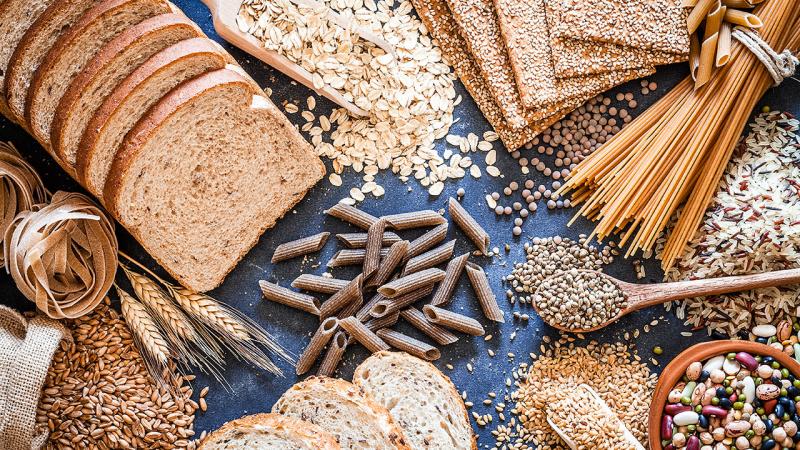
According to a large-scale study published in the *European Heart Journal*, consuming approximately 90 grams (three servings) of whole grains daily supports heart and metabolic health. It is noted that increasing daily consumption to four to six servings provides even greater benefits.
elchi reports that individuals who consume 3-6 servings of whole grains daily have shown slight but significant improvements in approximately twelve health indicators associated with an increased risk of cardiovascular disease—such as total cholesterol, LDL (“bad”) cholesterol, blood pressure, body weight, and waist circumference.
Experts emphasize that simply adding whole grain products to one’s diet is not enough.
For example, products made from whole grain flour should be chosen instead of products made from white flour; however, a balanced diet must be maintained to prevent weight gain that may result from excessive carbohydrate intake.
Whole grain foods such as oatmeal, brown rice, whole wheat bread, farro, popcorn, and quinoa contain natural components that provide fiber and nutrients; whereas white rice and foods made from white flour are stripped of these beneficial parts during the processing stage.
It is noted that dark-colored breads labeled as “multigrain” or “made with whole grains” may often contain processed (refined) flour.
Therefore, it is recommended to check the ingredient list on the back of the packaging and ensure that the first ingredient listed is a whole grain.
Şayəstə