
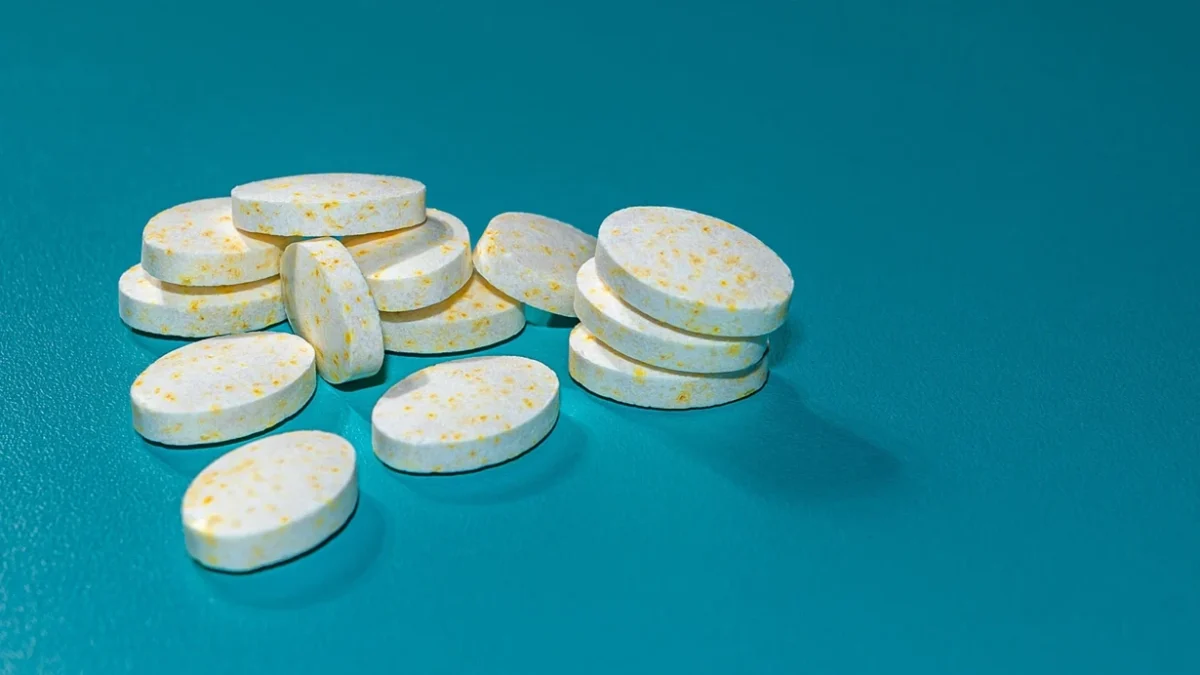
Xylitol, often used in sugar-free gum, mints, and low-calorie snacks, has become a topic of discussion. A study led by the Cleveland Clinic has identified a link between high blood levels of xylitol and serious cardiovascular events such as heart attacks and strokes. Researchers found that xylitol may increase the tendency for blood clotting by making platelets more active.
“Elchi” reports that xylitol, a sweetener frequently used in “sugar-free” products chosen by those looking to reduce sugar intake, is currently a subject of interest in the scientific community due to its potential effects on heart health. A study conducted by researchers at the Cleveland Clinic and published in the *European Heart Journal* has revealed a surprising link between high blood levels of xylitol and the risk of serious events such as heart attack, stroke, and cardiovascular death.
Also present in fruits and vegetables
Xylitol belongs to a group of sweeteners known as “sugar alcohols.” While the body can produce it naturally in very small amounts, it is also present in certain fruits and vegetables. However, when added as a sweetener to products such as sugar-free gum, candy, cookies, baked goods, and various low-calorie products, the amount consumed can significantly exceed natural levels. The US Food and Drug Administration (FDA) classifies xylitol along with sugar alcohols like sorbitol, erythritol, and maltitol, and notes its use particularly in sugar-free candies and gum.
57 percent higher risk
In the most notable part of the study, researchers examined xylitol levels in the blood of 2,149 people and followed the participants for approximately three years. It was calculated that individuals with the highest blood levels of xylitol had an approximately 57% higher risk of experiencing major cardiovascular events such as heart attack, stroke, or cardiovascular death compared to those with the lowest levels. This association persisted even after accounting for kidney function and traditional cardiovascular risk factors. Scientists also investigated the effect of xylitol on blood to determine whether this was merely a statistical correlation. Experiments involving human blood and platelets showed that xylitol increases the responsiveness of platelets to clotting signals. Animal studies also yielded results indicating that xylitol could accelerate the formation of blood clots in vessels. According to the researchers, this mechanism is significant because clots formed inside blood vessels are the basis for heart attacks and certain types of strokes.
Şayəstə