
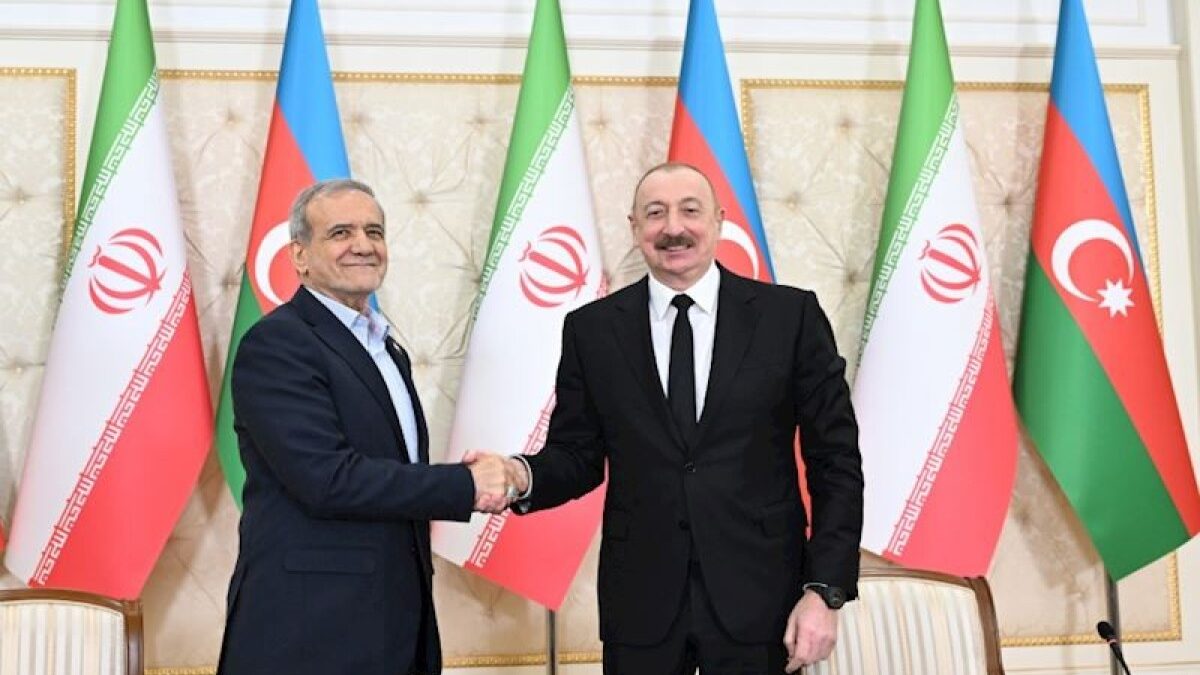
The telephone conversation between the President of the Republic of Azerbaijan, Ilham Aliyev, and the President of the Islamic Republic of Iran, Masoud Pezeshkian, draws special attention against the backdrop of the new geopolitical realities forming in the region. This contact carries more meaning than formal diplomatic etiquette, and especially when evaluated in the environment of relative stability created by the two-week ceasefire reached between Iran and the US, it shows that Azerbaijan continues its balanced and pragmatic line in regional policy.
This event also demonstrates that relations between Baku and Tehran are moving not just to a tactical, but to a more strategic level. The consistency and timing of the steps taken by Azerbaijan show that this policy is not situational, but part of a pre-formed line serving concrete goals.
Diplomatic activity against the backdrop of the ceasefire
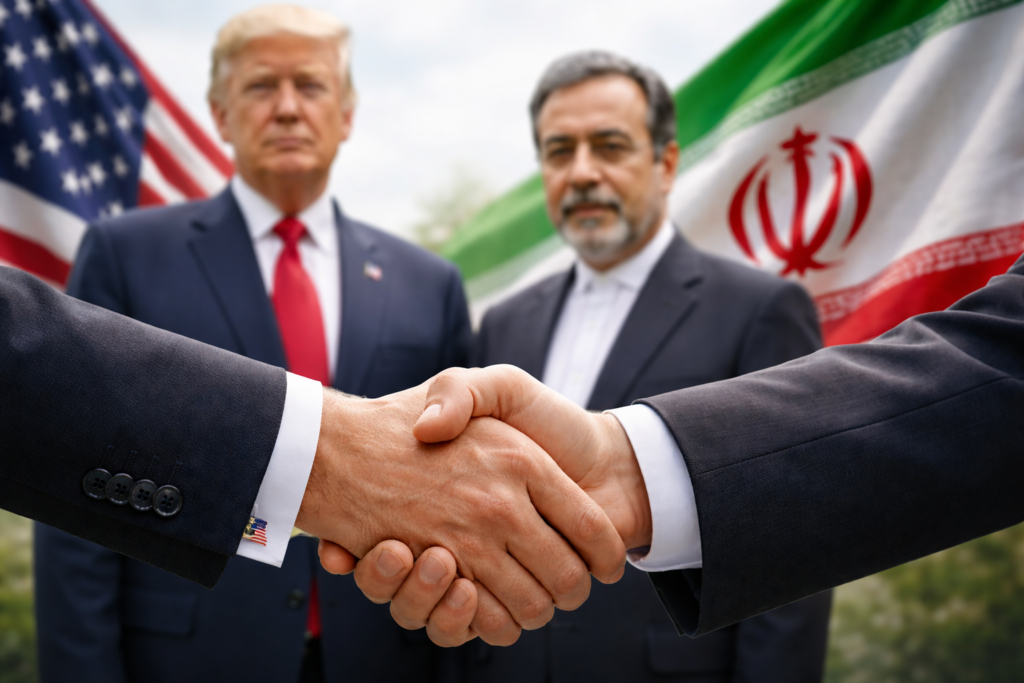
the temporary ceasefire announced between Iran and the US has caused the long-standing tension in the region to subside to some extent. In this context, the Azerbaijani President calling the Iranian President to convey his congratulations is not just a gesture of courtesy, but also a diplomatic signal.
This step shows that Azerbaijan has identified regional stability as a priority and is acting as an active participant in this direction. At the same time, this step is a practical application of the principle of maintaining friendly relations with neighbors, which occupies an important place in Azerbaijan’s foreign policy doctrine.
Azerbaijan’s position during the crisis period
Recent events have shown that Azerbaijan demonstrated a constructive and friendly position during difficult times for Iran. This position was not limited to political statements but was accompanied by concrete steps. The fact that the Azerbaijan–Iran border remained stable and secure during this period is of special strategic importance. At a time when various claims and speculations were being voiced in the region, Azerbaijan’s refusal to allow any threat against Iran from its territory confirmed Baku’s behavior as a responsible regional actor.
This approach was also important for Iran. Because for Tehran, which was facing pressure from various directions in parallel, the stability of the northern border acted as an additional security buffer.
Azerbaijan chose a strategy of minimizing risks rather than increasing them in a crisis situation, and this is in line with its long-term interests.
Messages of humanitarian and political solidarity

One of the important components of the policy demonstrated by Azerbaijan towards Iran is the element of humanitarian and moral support. In particular, the fact that the President of Azerbaijan was one of the first leaders to offer condolences regarding the death of Ali Khamenei and visited the Iranian embassy carries more meaning than political etiquette.
This step can be assessed as an effective use of “soft power” tools. Such gestures in interstate relations create emotional capital and serve to form long-term trust.
Along with this, Azerbaijan sending humanitarian aid to Iran three times is a practical expression of this policy. These steps show that Baku is an actor that bears not only political but also humanitarian responsibility.
The “first leader to congratulate” factor and symbolic diplomacy
It should be especially emphasized that the President of Azerbaijan was the first leader to congratulate Iran after the ceasefire was announced. Timing acts as a strategic tool in diplomacy, and in this regard, being the first party to react is an indicator of political will.
From an analytical point of view, this step shows that Azerbaijan acts as an initiative-taking actor in the region. Baku acts not only as a party observing processes but as a party trying to direct them to a certain extent.
This gesture is also a message to other regional and global actors that Azerbaijan remains a balancing and reliable partner in the South Caucasus.
Weakening of anti-Azerbaijani narratives
For a long time, certain circles in Iran tried to present Azerbaijan as a potential threat. These narratives were mainly formed against the background of geopolitical competition and ideological differences.
However, recent events have shown that this approach is far from reality. Azerbaijan’s behavior – maintaining stability at the border, humanitarian aid, political support, and diplomatic gestures – effectively refutes these claims.
A new reality is forming in the information space. This reality can create conditions for the emergence of a more pragmatic and objective approach regarding Azerbaijan within Iran.
If this process continues, it is possible for anti-Azerbaijani rhetoric to weaken and for a more constructive dialogue to form.
Regional security and new cooperation opportunities
The current situation opens new cooperation perspectives in Azerbaijan–Iran relations. These perspectives are no longer just theoretical but are based on practical foundations.
Among the main directions, coordination on border security, transport and logistics projects, energy cooperation, and humanitarian relations occupy a special place.
Azerbaijan’s recent steps are a clear message to Tehran: Baku considers the cooperation model, not the confrontation model, as a priority. This approach is one of the main conditions for long-term stability in the region.
Geopolitical balance and Azerbaijan’s strategic line
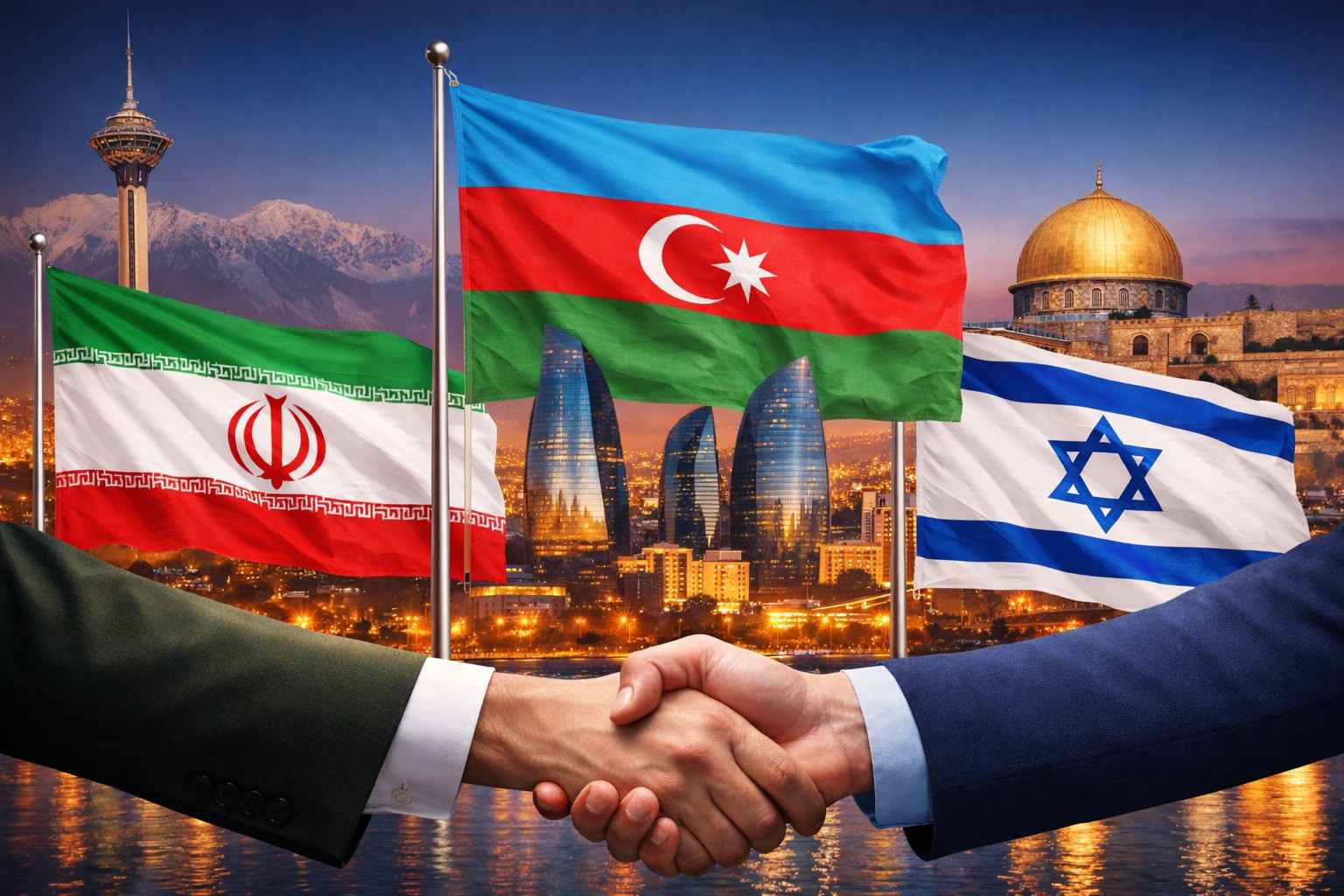
The policy exhibited by Azerbaijan in relations with Iran is part of its general foreign policy strategy. Baku is simultaneously building parallel relations with other regional and global actors.
This multi-vector policy expands Azerbaijan’s geopolitical maneuvering capabilities and turns it into a balancing force in the region.
Normalization of relations with Iran can further strengthen this strategy. Especially in terms of regional transport and energy projects, this cooperation creates new opportunities.
Conclusion: Towards the restoration of trust
The telephone conversation between President Ilham Aliyev and Masoud Pezeshkian carries a broader meaning than a simple diplomatic gesture.
The steps taken by Azerbaijan towards Iran in the recent period – political support, humanitarian aid, security guarantees, and diplomatic initiatives – are systematic in nature and serve strategic goals.
This policy creates a real basis for the restoration of trust between the two countries. If this line is continued, it is possible that a deeper and mutually beneficial cooperation phase will begin in Azerbaijan–Iran relations in the near future.