
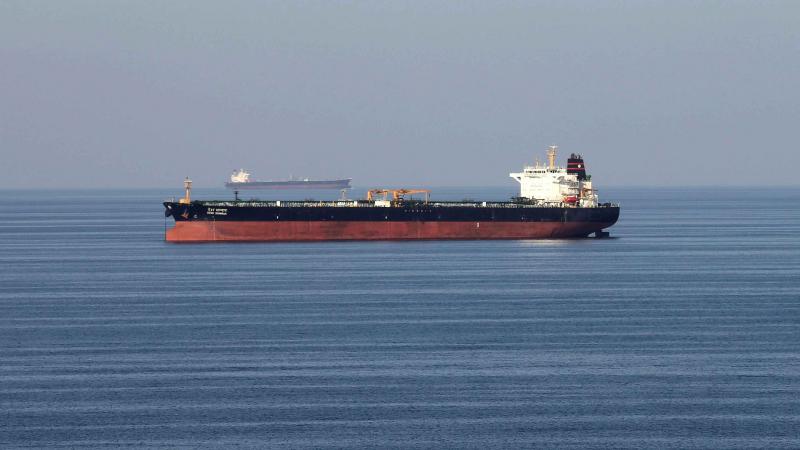
The de facto closure of the Strait of Hormuz has halted global energy supplies, and US and Israeli attacks on Iran have pushed oil prices to a 14-month high. Brent crude prices rose by 13 percent in early trading.
“Elchi” reports that the escalation of military tension in the Middle East has directly impacted global energy supplies and financial markets. Following weekend air operations, the de facto closure of the Strait of Hormuz, one of the world’s most vital waterways, has caused oil prices to reach their highest level in the last 14 months. Brent crude, which started the day aggressively, rose by 13 percent in early trading, reaching $82 per barrel. While uncertainty in the markets directed investors towards safe havens, gold prices also reached a new record high, increasing by 2.8 percent to $5397 per ounce.
Asian markets started the week with significant losses, with Japan’s Nikkei index falling by 2.4 percent and China’s CSI 300 index by 0.6 percent. Wall Street is also expected to open negatively this week. The Strait of Hormuz, through which approximately one-fifth of the world’s oil supply passes, has been virtually paralyzed following warnings from Tehran that it would not allow passage or attacks on ships in the region. Maritime traffic monitoring sites report that dozens of tankers are waiting on both sides of the strait due to fear of attacks and insurance issues. Maersk, one of the world’s largest container shipping companies, announced that it has halted passage through both the Strait of Hormuz and the Suez Canal for security reasons, while the International Maritime Organization urged all companies to stay away from the region. Rystad Energy experts note that 15 million barrels of crude oil per day are being prevented from reaching the market, emphasizing that a sharper rise in oil prices is inevitable if tensions do not de-escalate quickly. Statements from the US side indicate that operations could continue for weeks until objectives are met, leading to concerns about a “long-term crisis” in the markets.
Şayəstə