
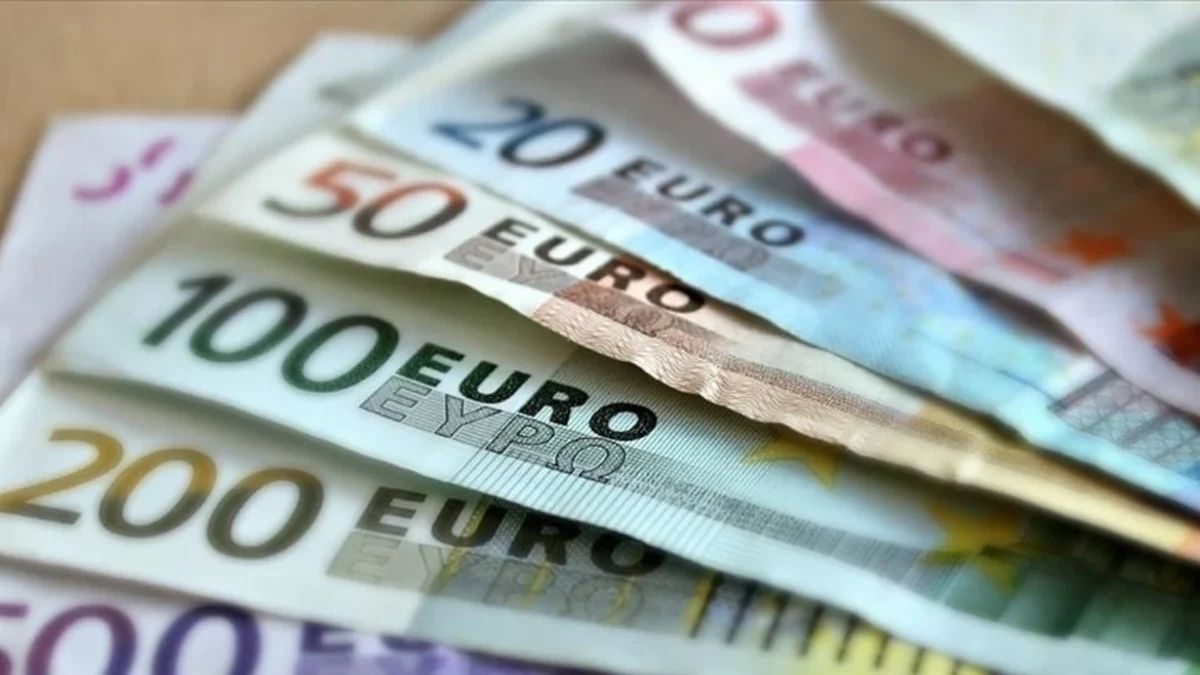
Sweden, a member of the European Union (EU) but continuing to use its own currency, has reconsidered the option of switching to the euro.
“Elchi” reports that Sweden, which has been a member of the European Union for almost 30 years, has hesitated to switch to the euro. Sweden, which joined the EU in 1995, legally agreed to switch to the euro. However, after the euro came into force in 1999, Sweden preferred to continue using its national currency, the krona.
Since 2003, the government has stayed away from the euro because voters in Sweden opposed its adoption. Sweden is one of six EU member states that do not use the euro. The other countries are the Czech Republic, Denmark, Hungary, Poland and Romania.
However, due to recent geopolitical developments, Sweden has begun to reassess its monetary policy approach. Russia’s invasion of Ukraine and the change in the global balance of power have led Sweden towards NATO membership.
May be more sensitive
In addition, tensions in US-European relations and global economic uncertainties have increased Sweden’s desire to be part of a stronger economic bloc.
According to experts, small and independent currencies can be more fragile during global crises.
The transition can facilitate trade
Economists say that the adoption of the euro could create significant advantages for the Swedish economy. More than 60% of Sweden’s foreign trade is with European Union countries.
Using a common currency can eliminate exchange rate risk and make trade more predictable. This can reduce costs for export and import companies.
In addition, the use of the euro can help Sweden integrate more strongly with the European economy.
Şayəstə