
Giriş: Müasir Dünyada Brend Qurmaq və Estetik Mühit Yaratmaq
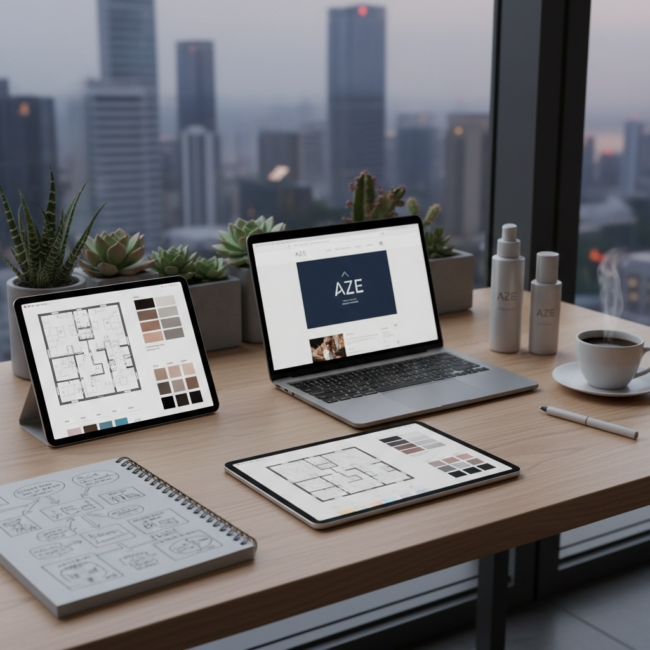
In the modern era, creating a successful brand from scratch and forming an aesthetic environment is not just a desire but also a strategic necessity. In a time when competition is constantly increasing and consumer choices are changing, innovative approaches are needed to stand out, attract attention, and achieve lasting success. In this article, we will explore the basic principles of branding and creating an aesthetic environment on the path from idea to result.
I. Discovery and Analysis of the Idea: The First Step to Success
Every successful brand is based on a strong idea. This idea must meet the needs of the market, be different and attractive. When discovering an idea, it is important to pay attention to the following points:
- Market Research: Learn who your target audience is, what they want, and what problems they want to solve.
- Competitor Analysis: Identify the strengths and weaknesses of your competitors. What can you learn from them?
- Differentiation: Define the unique value proposition (UVP) that distinguishes your brand from competitors.
After the idea has been analyzed, it is necessary to assess the feasibility of its implementation. Is this an idea that can be implemented in terms of finance, resources, and time?
II. Creating Brand Identity: Visual and Emotional Connection
Brand identity consists of its name, logo, colors, fonts, and style. A strong brand identity helps create an emotional connection with consumers. When creating a brand identity, consider the following:
- Logo and Visual Elements: Create a memorable, easily recognizable logo that reflects the brand’s values.
- Colors and Fonts: Choose colors and fonts that match the brand’s personality.
- Brand Tone: Determine the brand’s communication style (formal, informal, fun, etc.).
Brand identity should be used consistently in all marketing materials and communication channels.
III. Aesthetic Environment Design: Improving Customer Experience
The aesthetic environment is the design of the brand’s physical space (store, office, restaurant, etc.). A beautiful and functional environment improves the customer experience, increases brand loyalty, and stimulates sales. When designing an aesthetic environment, consider the following:
- Space Planning: Ensure that the space is functional and comfortable.
- Lighting: Create the desired atmosphere with appropriate lighting.
- Colors and Materials: Choose colors and materials that match the brand’s identity.
- Decoration: Use decorative elements that add character to the space.
Remember that the aesthetic environment is not only about looking good, but also about customer comfort and satisfaction.
IV. Marketing and Promotion: Introduce Your Brand to the World
An effective marketing strategy is essential to creating a successful brand. Marketing helps you reach your target audience, increase awareness, and increase sales. You can use the following marketing channels:
- Social Media: Be active on social media platforms, share interesting content, and interact with customers.
- Search Engine Optimization (SEO): Optimize your website for search engines so that potential customers can easily find you.
- Content Marketing: Create and share valuable content such as blog posts, videos, and infographics.
- Paid Advertising: Use paid advertising channels such as Google Ads and social media ads.
Track and optimize the results of your marketing campaigns. Learn what works and what doesn’t and adjust your strategy accordingly.
V. Continuous Development and Adaptation: Staying Ahead of the Competition
Branding and creating an aesthetic environment is an ongoing process. As the market changes and consumer needs evolve, it is necessary to adapt your brand and environment to changing conditions. For continuous improvement, consider the following:
- Feedback Collection: Collect feedback from customers and use it to improve your brand.
- Innovations: Introduce new products and services, implement technologies, and look for innovative approaches.
- Monitoring Trends: Follow market trends and adapt your brand to them.
Photo suggestions:
- A scene of a group of people brainstorming in an office with realistic, 8k quality, real lighting.
- A woman sitting inside a modernly designed cafe and working on a laptop, 8k, real lighting.
- A shop employee presenting a product to his customers, high quality, realistic, 8k quality.
Conclusion: The Formula for Success
Creating a successful brand and forming an aesthetic environment on the path from idea to result requires careful planning, creativity, consistency, and continuous improvement. By following these principles, you can differentiate your brand from the competition, create a strong connection with customers, and achieve long-term success.