
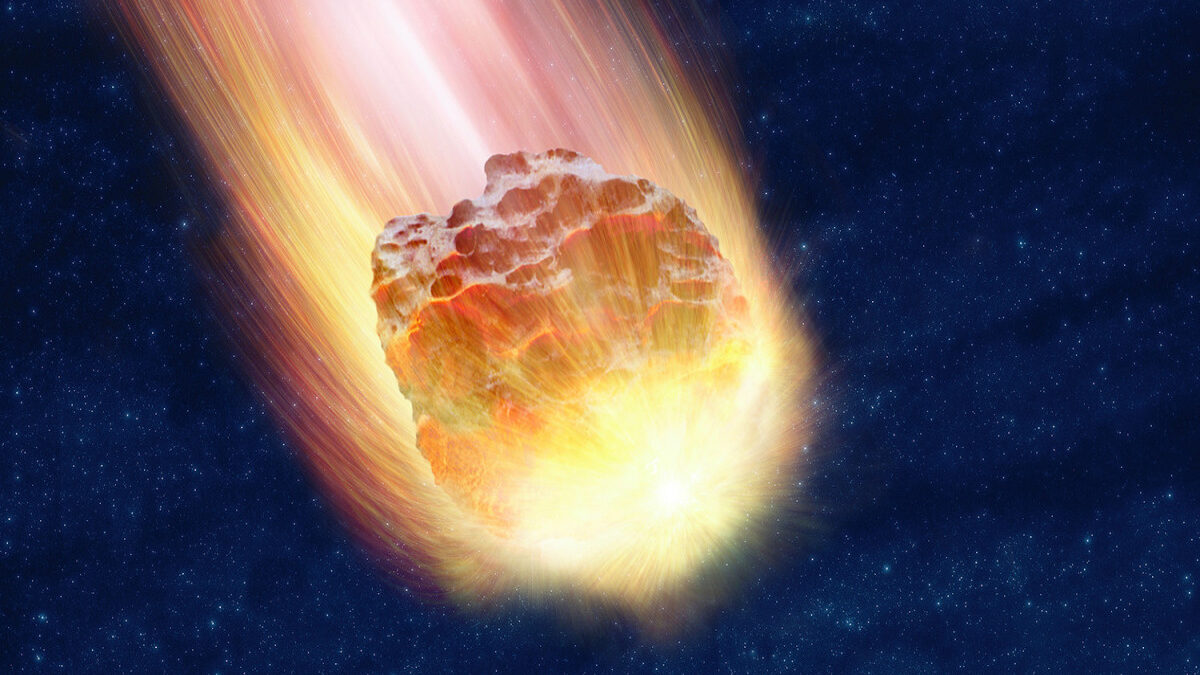
An interesting astronomical event, the Quadrantid meteor shower, will be observed in early January.
According to the Astophysics Department of the Physics Faculty of Baku State University (BSU) to Elchi.az, although the meteor shower is active from December 12 to January 12, the maximum activity is expected on the night of January 4, around 03:00.
“The meteor shower can be observed in Baku at night and near dawn. The most favorable time is near dawn, when the radiant of the shower reaches its highest point in the sky. At this time, the number and probability of meteors increase. During maximum activity, 120 meteors per hour can be observed. In real observation conditions for Baku, this figure can be approximately 100–113 meteors/hour. This year, on the day of maximum activity, the Moon will be almost in the full Moon phase, which will negatively affect observations. Moonlight will make it difficult to see faint meteors, but it will still be possible to observe bright meteors.
Unlike other classic meteor showers, the Quadrantid meteor shower originates not from a comet, but from an asteroid-derived object called (196256) 2003 EH₁. This asteroid orbits the Sun in approximately 5.5 years. It is believed that this object was an active comet in the past and has gradually fragmented and taken on the characteristics of an asteroid. Quadrantid meteors are formed when the Earth passes through a stream of dust and rock particles remaining in the orbit of this object every year in early January.
Meteors enter the Earth’s atmosphere at a speed of approximately 41 kilometers per second, leaving bright trails of light. The Quadrantid meteor shower is short-lived but is considered one of the most intense meteor showers of the year,” the report said.